
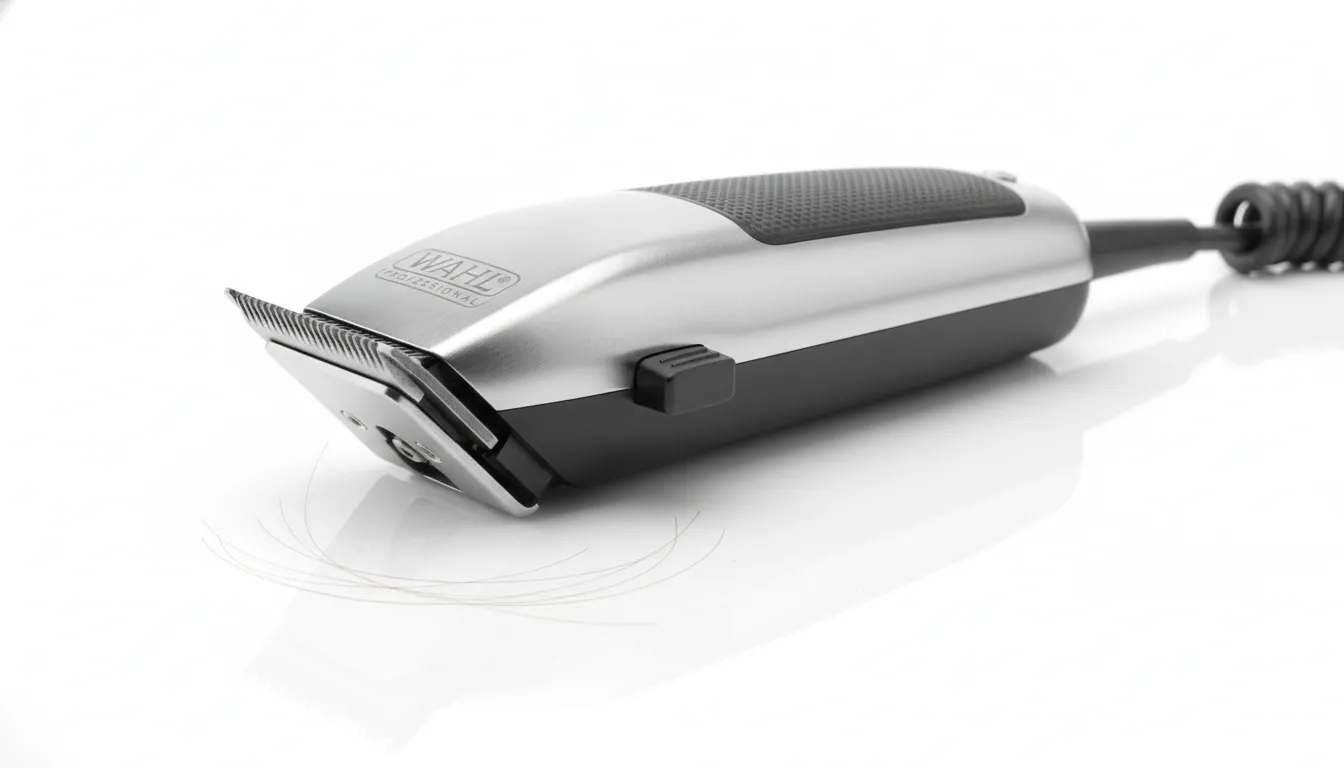
If your clippers are getting hot enough to bother your wrist or make a client flinch, you are dealing with friction that is higher than it should be. The most common reason clippers overheat is simple: dry blades rubbing against each other at high speed without enough lubrication. But trapped hair, dull edges, incorrect tension, blocked vents, and extended run times can all add heat. The good news is that most causes are fixable with the right maintenance routine, and when the problem is inside the motor housing, The Barber Company in Las Vegas can diagnose and repair it the same day.
Stop by The Barber Company in Las Vegas today to feel the difference.
This guide breaks down exactly why clippers get hot, which causes you can fix yourself, and when overheating means it is time to bring the tool in for professional service. If you want the full picture on keeping your equipment in top shape, start with the complete guide to clipper maintenance practices.
Why Are My Clippers Overheating: The Most Common Reasons Clippers Overheat
Every clipper generates some heat during normal operation. The metal cutter slides across the stationary comb dozens of times per second, and friction is a natural byproduct of that motion. When heat becomes excessive, the cause is almost always one of six factors: dry blades, trapped debris, dull or damaged blades, incorrect tension, blocked ventilation, or extended high-speed run time. Identifying which factor is driving the heat lets you apply the right fix immediately.
Dry Blades and Insufficient Lubrication
The number one cause of overheating is simple: not enough oil. Clipper oil creates a thin film between the cutter and the comb that reduces direct metal-to-metal contact. When that film breaks down from extended use, friction spikes and the blade heats up fast. Academic research on clipper maintenance confirms that insufficient lubrication is a primary cause of friction and overheating in clipper blades. Professionals should oil clipper blades to reduce heat every three to five minutes during active use, applying a few drops along the teeth and down the sides of the blade while the clipper is running.
Many barbers underestimate how quickly the oil film degrades. A single high-density haircut with thick or coarse hair can strip the lubricating layer in minutes. If you oiled at the start of a service and feel heat building before the halfway mark, stop and re-oil. There is no penalty for oiling too frequently, but every dry minute adds cumulative wear to the blade surface.
Trapped Hair and Debris Between the Blades
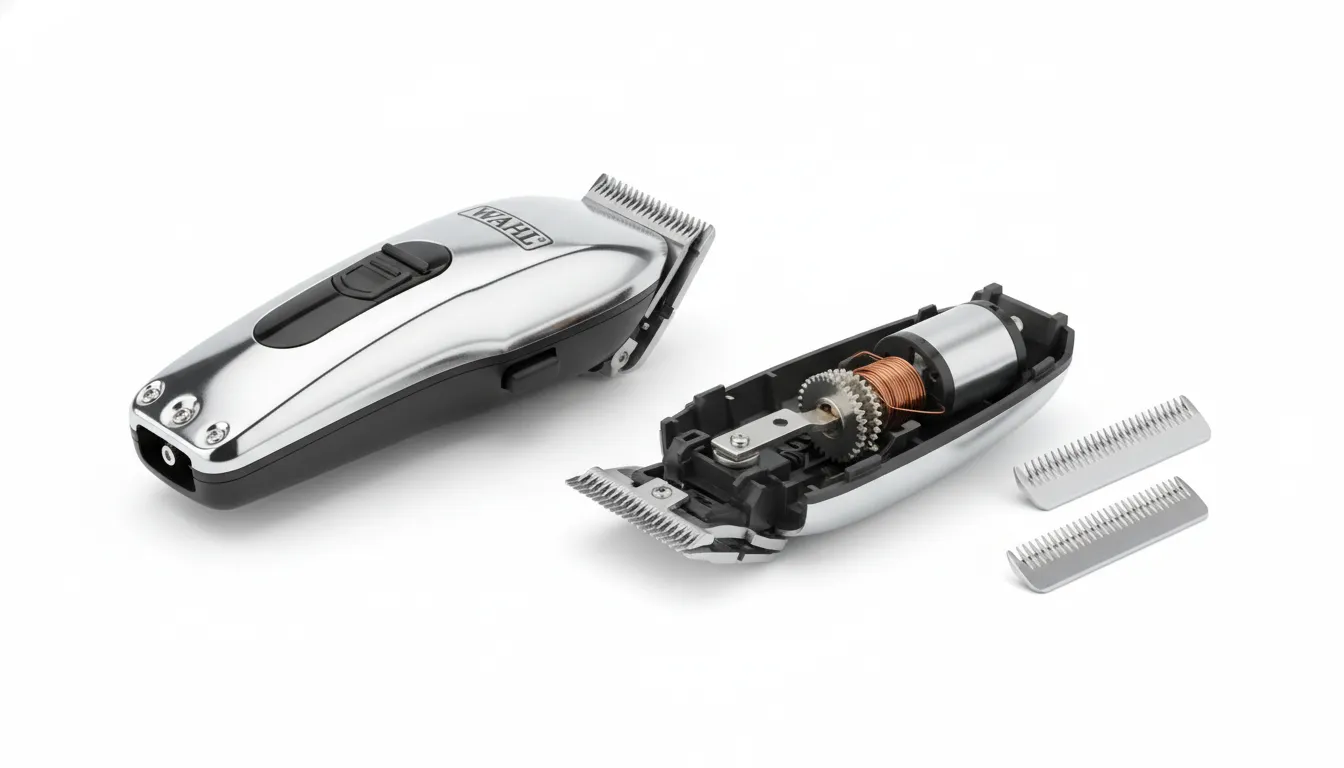
Short cut hairs pack into the blade teeth and beneath the cutter during a service. Styling product residue, skin oils, and dust make that debris cling to the assembly. The added resistance forces the moving blade to drag, creating more friction and requiring more effort from the drive system. A blade can look clean from the top while compacted debris hides below the cutting surface. This buildup is why regular clipper cleaning between each client is essential for temperature control.
Even a thin layer of debris trapped beneath the cutter can raise operating temperatures noticeably. Use a stiff brush to clear both sides of the blade assembly after every haircut, and follow up with a quick blast of blade spray to dissolve sticky residue before it hardens.
Dull or Damaged Blades
A dull blade does not pass through hair efficiently. It snags, pulls, and requires repeated passes, all of which extend run time and add load to the motor. Research from the University of Tennessee College of Veterinary Medicine identifies dull blades as the number one cause of clipper overheating and diminished equipment lifespan. When the blade has to work harder to cut, friction rises and heat follows.
Professional blade sharpening restores the clean cutting edge that reduces friction. Most barbers benefit from a sharpening every two to three months, depending on volume. The Barber Company offers in-house blade sharpening to keep your equipment cutting cleanly without the drag that drives temperatures up.
Incorrect Blade Tension
On adjustable clippers, blade tension plays a direct role in heat generation. Too much tension increases friction between the cutter and the comb. Too little tension reduces cut quality and may cause the blade to chatter, which also generates excess heat. Every model has a manufacturer-recommended tension setting, and following that specification matters more than guessing.
A common mistake is cranking the tension screw thinking it improves cut quality. In most cases, the factory setting or a very slight adjustment from it produces the best balance of cutting efficiency and temperature control. If you notice heat building quickly after a tension adjustment, back the screw off incrementally until the clipper runs smoothly without blade chatter.
Blocked Ventilation
Clippers draw cooling air through vents in the housing to keep the motor at a safe operating temperature. When those vents are clogged with hair and dust, the motor runs hotter than designed. If the housing itself feels unusually warm after a short run, blocked ventilation is a likely suspect.
Check the air intake slots on the sides and back of the clipper body. A compressed air duster or a small vacuum attachment clears these passages quickly. Make vent inspection part of your end-of-day cleaning routine so clogs never accumulate across multiple shifts.
Extended Run Time at High Speed
Even a well-maintained clipper generates more heat the longer it runs continuously. Multiple back-to-back haircuts without a cooldown period allow heat to accumulate. High-speed settings amplify this effect. The solution is simple: build short breaks into your service flow.
A sixty-second pause between clients to oil and brush the blade assembly gives the clipper time to shed heat while simultaneously refreshing the lubricant film. This single habit prevents the gradual heat buildup that turns a warm blade into a hot one by mid-afternoon.
Is Overheating Dangerous for Your Blades or Motor?
Some warmth is normal. The clipper converts electrical energy into mechanical motion, and friction is inevitable. But there is a meaningful difference between normal operational warmth and excessive heat that requires action. Blade-level heat responds to oiling and cleaning. Motor-level heat concentrated in the housing, accompanied by sound changes or vibration, signals internal damage that demands professional service. Knowing which type of heat you are feeling determines whether you reach for the oil bottle or the phone.
| Symptom | Blade-Level Issue | Motor-Level Issue |
|---|---|---|
| Where heat is felt | Blade assembly only | Clipper housing and body |
| Responds to oiling | Yes, within seconds | No change or minimal |
| Responds to cleaning | Yes, debris removal drops temp | No change |
| Motor sound change | No | Pitch shift, grinding, or slowing |
| Vibration | Normal | Unusual or excessive |
| Impact on cutting | Snagging on dull blade | Binding, stalling, power loss |
Normal Heat vs. Excessive Heat
A blade that feels warm against the back of your wrist is fine. A blade that you cannot comfortably hold there for more than a few seconds is too hot. A housing that becomes unusually hot during normal use signals a problem beyond blade-level friction. Professional barbers should treat rising temperature as useful diagnostic information, not something to ignore until the tool stops working.
What Overheating Does to Blades
Prolonged heat can affect the temper of the blade steel. When a blade overheats repeatedly, the metal loses its hardness, which means it dulls faster and needs sharpening more often. Blades that run hot consistently have a shorter service life than blades kept at normal operating temperatures. The economic cost adds up: replacing blades more frequently cuts into your margins, and the lost time during a service when a hot blade starts pulling is hard to recover.
What Overheating Does to the Motor
Motor strain from prolonged overheating can lead to permanent drive failure. When a binding blade or heavy workload forces the motor to work harder, internal components wear faster. Heat concentrated in the housing rather than the blades points to an internal electrical or mechanical fault. Opening a sealed housing to investigate should only be done by a qualified service professional. Continuing to run a motor that is overheating internally risks a complete failure that turns a repairable issue into a replacement situation.
How to Cool Down Clippers Mid-Service Without Stopping
When you are in the middle of a busy service and the clipper starts heating up, you have several options that keep you cutting without waiting for a full cooldown. The fastest sequence involves switching the clipper off, removing the blade assembly, brushing out debris, and applying a cooling spray formulated for clipper blades. Each step addresses a different source of heat accumulation and can be completed in under thirty seconds.
- Stop and switch off immediately. Remove the clipper from contact with the client, turn it off, and disconnect from power if corded. Allow the blade to cool on a stable dry surface for thirty to sixty seconds. Even this brief pause sheds enough heat to make a noticeable difference.
- Remove the blade and brush out debris. Pop off the blade assembly and use a stiff brush to clear compacted hair from between the cutter and comb. This alone can drop the operating temperature significantly because you are removing the insulating layer of debris that traps heat between the metal surfaces.
- Apply a clipper cooling spray. Products like Andis 5-in-1 Cool Care are formulated to cool hot blades in seconds while simultaneously cleaning and lubricating. Spray onto the blade teeth while the clipper is running, then wipe away excess. Never use water, WD-40, or household oils as substitutes.
- Switch to a second blade. Professional barbers who do high-volume work often keep a second pre-cooled blade assembly ready. Swap the hot blade for the cool one, allowing the first to rest while you continue cutting. This is the fastest return to service of any cooling method.
- Oil the blades before resuming. Once the blade has cooled, apply fresh clipper oil before putting it back into service. This restores the lubricating film that reduces friction and prevents rapid re-heating.
Following these steps keeps you productive while protecting your equipment and your clients from discomfort. If you find yourself relying on mid-service cooldowns more than once per shift, the root cause is likely preventive rather than reactive, and a maintenance adjustment will reduce how often you need to interrupt your flow.
Preventing Overheating: Oiling, Cooling Spray, and Maintenance
Prevention is always better than a mid-service cooldown. A consistent maintenance routine eliminates most overheating problems before they start. The three pillars of clipper temperature management are frequent oiling, thorough cleaning between clients, and a regular blade sharpening schedule that keeps the cutting edge sharp enough to reduce motor load.
Oiling Frequency and Technique
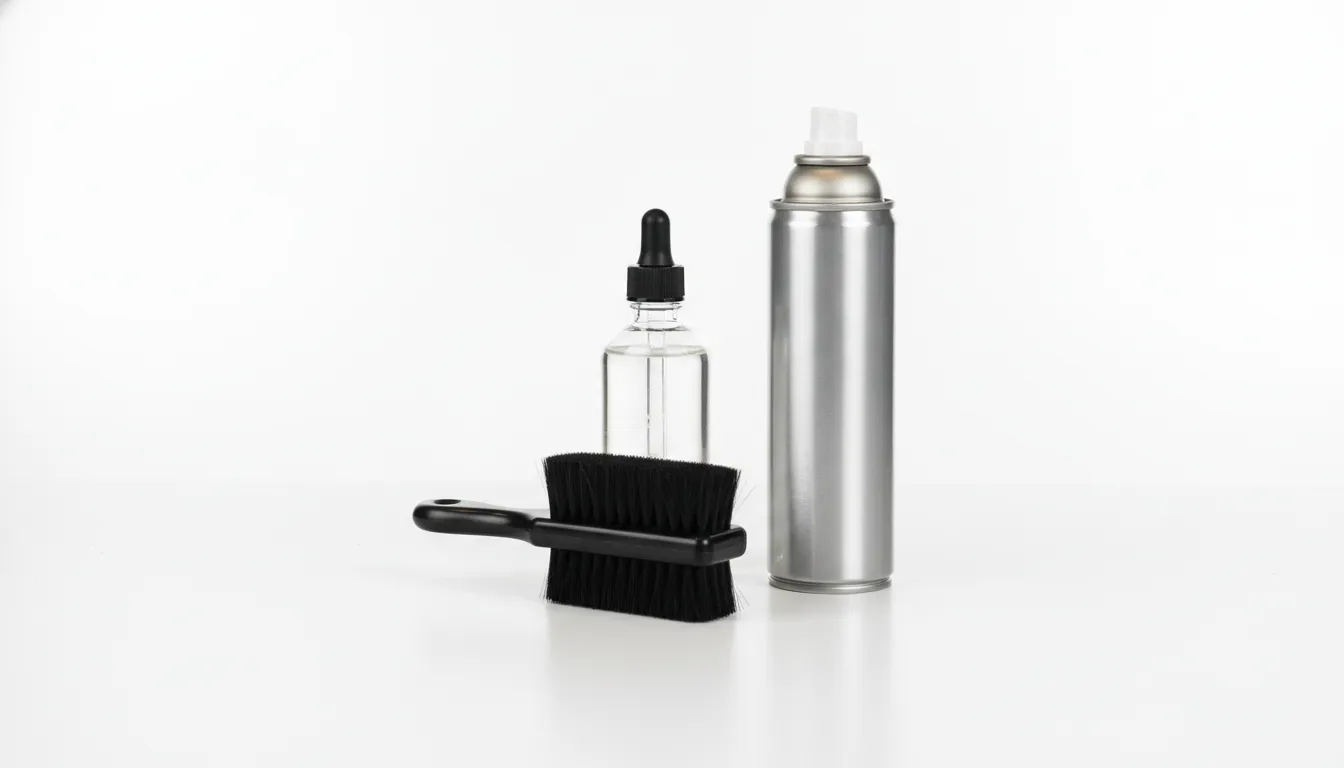
Oil every three to five minutes during active use and after every blade cleaning. Apply two to three drops across the blade teeth while the clipper runs, then switch off and wipe away excess. Only use clipper-specific oil. Household lubricants are not designed for the speeds and tolerances of barber equipment and can damage the blade or void the warranty. Clipper oil is formulated to withstand high-speed friction without breaking down or gumming up the mechanism.
Cleaning Between Clients
Brush out the blade assembly between every client. Use a blade wash or spray cleaner to dissolve product residue, then dry thoroughly and re-oil before the next service. A clean blade runs cooler than a dirty one regardless of how much oil is applied. The combination of mechanical brushing and chemical cleaning removes both loose hair and the sticky film of styling products that brushing alone cannot dislodge.
Blade Sharpening Schedule
Blades lose their edge with regular use. A dull blade is a hot blade. Professional blade sharpening restores the cutting edge and reduces the work the motor has to do. Most barbers benefit from sharpening every two to three months, depending on volume. If you work high-volume days with back-to-back clients, you may need sharpening every six to eight weeks. The Barber Company offers in-house blade sharpening to keep your equipment cutting cleanly and running cool.
Technique Matters
Advancing the clipper too slowly through the hair causes the blade to cut the same strand multiple times. This doubles the work per strand, shortens the life of the edge, and increases friction-generated heat. Move the clipper at a steady pace that allows one clean cut per pass. If you feel resistance, do not slow down and press harder. Stop, check the blade condition, oil, and resume with a smoother motion.
Zero-Gapping for Precision
Zero-gapping adjusts the blade to cut closer to the skin, typically 0.1mm to 0.4mm. While this improves cut quality for fades and tapers, a properly gapped blade also runs cooler because it cuts cleanly on the first pass rather than dragging. Have zero-gapping done by a professional to avoid blade chatter or misalignment that can increase friction and heat. The Barber Company offers precision zero-gapping as part of their technical maintenance services.
When Overheating Signals a Motor Problem That Needs Repair
Not every overheating problem can be solved with oil and a brush. Some symptoms point to internal mechanical or electrical issues that require professional diagnosis. If the clipper remains hot after you have cleaned, oiled, and replaced the blade, and the heat is concentrated in the housing rather than the blade assembly, the motor is the likely source. Continuing to use a clipper with an overheating motor risks permanent damage that turns a repairable issue into a full replacement.
Red Flags That Distinguish Motor Heat from Blade Heat
- Heat that persists after the blade has been cleaned, oiled, and replaced
- Heat concentrated in the clipper housing rather than the blade assembly
- Repeated pulling or binding that standard maintenance does not resolve
- Unusual vibration during operation
- A change in the motor sound pitching higher or lower than normal
- Slowing or stalling under no load
Any one of these symptoms suggests the issue is inside the motor housing. Blade-level maintenance will not fix it, and continuing to use the clipper risks permanent motor damage. The distinction between blade heat and motor heat is the single most important diagnostic skill a barber can develop for equipment longevity.
When to Seek Professional Help
If routine cooling, cleaning, and lubrication do not correct rapid heating, it is time to take the clipper out of service. The same applies when the tool repeatedly pulls, binds, slows, vibrates unusually, or makes a different sound. These can indicate blade damage, drive trouble, or motor load beyond what external maintenance can resolve. Opening a sealed clipper housing should be left to a qualified technician who has the tools and experience to diagnose internal faults safely.
For barbers in Las Vegas, professional clipper motor repair services are available the same day at The Barber Company. Our technicians understand the mechanics of professional barber equipment and can identify the root cause of an overheating clipper quickly.
Clipper Motor Repair in Las Vegas: Same-Day Diagnosis Available
The Barber Company is Las Vegas locally owned and operated barber equipment specialist, built by barbers for barbers. When your clipper overheating problem is inside the motor housing rather than on the blade, our technical team can diagnose the issue and perform the repair. We serve both professional barbers with wholesale benefits and retail grooming consumers without requiring a professional license.
What We Repair
- Clipper motor replacement and drive system repair
- Professional blade sharpening to restore cutting edges
- Precision zero-gapping adjusted to 0.1mm-0.4mm
- Full clipper maintenance and tune-up service
Our Service Advantage
We service all major professional brands including Gamma+ Professional, Wahl Professional, Andis, BaByliss Pro, StyleCraft, and Utsumi Shears. Our team understands the mechanics of professional barber equipment because we use it ourselves. We offer same-day diagnosis for barbers who cannot afford extended downtime. And our location at 4700 Meadows Ln #110 makes drop-off convenient whether you are coming from Henderson, North Las Vegas, or anywhere in the valley. We also provide free local delivery on orders over fifty dollars throughout the Las Vegas valley. Hablamos español.
Call us at (702) 900-9972 to discuss your clipper symptoms and schedule a drop-off or diagnosis appointment.
Frequently Asked Questions
Why do my clippers get hot even after I oil them?
If clippers remain hot after proper oiling, the cause is likely trapped debris beneath the blade, a dull blade that requires sharpening, incorrect blade tension, or blocked ventilation. Remove the blade, clean it thoroughly with a brush and blade wash, and inspect for damage. If the heat persists after cleaning, the problem may be in the motor housing and requires professional diagnosis.
How often should I oil my clippers to prevent overheating?
Oil every three to five minutes during active use, before every service, and after every blade cleaning. Apply two to three drops of clipper-specific oil across the blade teeth while the clipper is running, then wipe away excess. This frequency keeps the lubricating film intact and prevents friction from building up.
Can dull blades really cause overheating?
Yes. Dull blades require more force to cut, which means the motor works harder and the blade generates more heat per pass. Dull blades also snag and pull, requiring repeated passes that extend run time. Research from the University of Tennessee College of Veterinary Medicine identifies dull blades as the number one cause of clipper overheating.
Is it safe to use WD-40 or water to cool down hot clipper blades?
No. WD-40 is not a lubricant for clipper blades and can damage the blade assembly over time. Water can cause rust and does not provide lasting lubrication. Always use clipper-specific oil and cooling sprays formulated for barber equipment. Products like Andis 5-in-1 Cool Care are designed to cool, clean, and lubricate simultaneously.
When should I replace my clipper instead of repairing it?
If the cost of repair approaches or exceeds the replacement cost of the clipper, replacement may be the better option. However, many high-end professional clippers from Wahl, Andis, and Gamma+ Professional are designed for serviceability and can be repaired multiple times over their lifespan. A professional diagnosis at The Barber Company can help you make that decision with confidence.
Get Your Clippers Diagnosed Today
An overheating clipper is not just an inconvenience. It is a signal from your equipment that something needs attention. Whether the fix is as simple as a drop of oil and a thorough cleaning or as involved as a motor replacement, addressing the problem early saves you money, time, and client discomfort. The Barber Company in Las Vegas has the parts, the expertise, and the same-day turnaround to get your tools running cool again.
Call (702) 900-9972 or stop by 4700 Meadows Ln #110 to schedule your clipper diagnosis today. Your tools should work as hard as you do without burning out.