
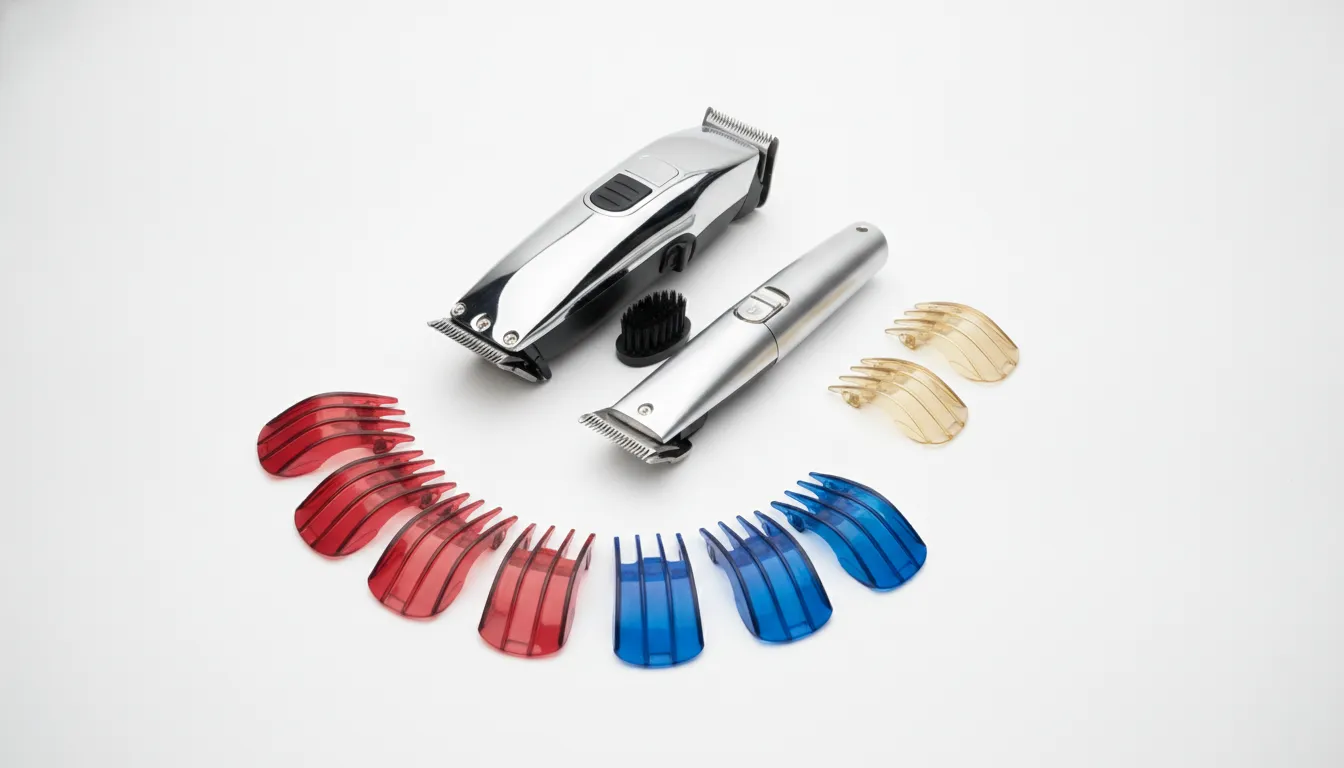
Professional barber clippers are not reserved for licensed barbers. In Las Vegas, the right place to shop is a supplier that can serve working professionals, students, and home groomers. You should also be able to compare tools built for fading, bulk removal, detailing, and everyday maintenance.
Call The Barber Company at (702) 900-9972 for professional clipper guidance.
If you are researching where to buy barber clippers, The Barber Company serves the general public without requiring a professional license, alongside wholesale barber customers. Its catalog includes professional lines such as Gamma+, Wahl, BaByliss Pro, StyleCraft, and Andis. So you can compare equipment by your actual grooming needs instead of choosing a consumer model at random.
The best buying decision starts with the work you expect the clipper to handle. Motor type, blade design, corded or cordless operation, ergonomics, and access to maintenance support all matter. Whether you are building a first kit or replacing a tool in a busy shop. Start by understanding how local professional supply shopping works and what support you should expect after purchase.
Where can you buy professional barber clippers without a license?
In Las Vegas, The Barber Company sells professional barber clippers to industry professionals and the general public. You can visit the local store, compare brands, and ask for guidance without presenting a professional license or opening a wholesale account.
The Barber Company sells professional barber clippers to both industry professionals and the general public, so you do not need a professional license to shop. In Las Vegas, you can visit the local store, compare professional tool lines, and ask for guidance based on your grooming goals, cutting technique, and maintenance needs.
That makes the buying process more useful than choosing a clipper from a general electronics aisle. You can explain whether you need a tool for home grooming, barber school practice, mobile work, or a working shop. The right recommendation depends on the role the clipper will perform, not simply on whether the box says professional.
Shop through a local professional supplier
The Barber Company operates as a wholesale and retail supplier, serving established barbers, independent shop owners, students, and consumers. The public can shop the same professional equipment categories without opening a wholesale account or presenting a license. If you are still learning the difference between a clipper, trimmer, and foil shaver. A local conversation can help you avoid buying the wrong tool for your intended work.
The Las Vegas storefront is located at 4700 Meadows Ln #110, Las Vegas, NV 89107. You can also begin by reviewing the company’s professional barber supplies in Las Vegas and then contact the store with questions about the type of clipper you are considering. Bilingual customer service is available for shoppers who prefer Spanish.
Compare professional brands by tool role
The store’s professional clipper selection includes lines from Gamma+, Wahl, BaByliss Pro, StyleCraft, and Andis. These brands can serve different preferences around motor feel, blade design, corded or cordless workflow, balance, and handling. Product names are examples rather than a promise that every model is always available, so confirm current options with the store before making a specific trip.
For a first purchase, describe the work you expect to do and ask which features matter most. Someone cleaning up their own hair may prioritize comfortable handling and simple operation. A barber building a working kit may need a dependable core clipper, compatible guards, and a plan for cleaning and oiling. If you already have a preferred brand, you can also review professional Gamma+ clippers and trimmers or Wahl professional clippers, trimmers, and shavers before visiting.
Buying without a license does not mean buying without professional support. Ask about the difference between the clipper you need now and the next tool that would expand your kit. The Barber Company also provides repair, zero-gapping, and blade-sharpening services, which gives local buyers a path for maintaining equipment after the purchase.
Match the clipper to the work you do
Match a clipper to the work it must perform. Adjustable blades and control support fades, motor response matters for bulk cutting, trimmers handle outlines, and corded or cordless power should fit your station, charging, and storage routine.
The right clipper is the one whose motor behavior, blade setup, power connection, and shape fit your actual service pattern. A tool for bulk removal has a different job from a detail trimmer, and a mobile barber may value cord flexibility differently from a high-volume shop. Match the role first, then compare models.
Start with the cutting job, not the brand name
For fades, tapers, and general cutting, look for a clipper designed to move through the amount and texture of hair you handle most often. Motor behavior matters because it affects how the tool feels under load. A consistent, responsive motor can help you maintain an even cutting pace. While a tool intended mainly for edging should not be judged by the same standard as a bulk-cutting clipper.
Blade purpose matters just as much. Adjustable clipper blades support gradual length changes and fading work. A trimmer is built for tighter outlining around hairlines, beards, and necklines. If your services include both bulk cutting and finishing, plan for the clipper and trimmer as separate roles rather than forcing one tool to do everything. Professional cutting kits commonly include clippers, trimmers, shears, and thinning shears for these distinct tasks (academic barber tool checklist).
Compare workflow, handling, and support
Corded tools provide a direct connection to an outlet, which can suit a fixed station and a predictable work area. Cordless tools can reduce cable movement and make repositioning easier, but they require a deliberate charging and maintenance routine. For a closer look at selection considerations, review this guide to professional cordless clipper options rather than relying on a generic runtime claim.
Ergonomics should be assessed in your hand. Check the grip, balance, switch placement, and weight while imagining repeated passes through a full day of work. A comfortable tool is easier to control; it should not require you to compensate with excessive wrist pressure. Also consider how quickly you can clean, oil, adjust, and store it between services. Clipper oil and blade cleaner are standard maintenance supplies for smooth operation and tool life (maintenance guidance from a barber training program).
| Work pattern | Prioritize | Check before buying |
|---|---|---|
| Fades and tapers. | Adjustable blade, controlled handling. | Lever feel, adjustment, balance |
| Bulk cutting. | Motor response, efficient action. | Behavior through dense sections |
| Outlining and finishing. | Dedicated trimmer, precise contact. | Visibility, control, edge access |
| Mobile or multi-station work. | Cordless or reliable corded setup. | Charging, cable reach, storage |
The Barber Company serves both professional buyers and the general public, so you can ask for guidance based on your technique, station, and service mix. Its support also extends beyond the sale through clipper repair, zero-gapping, and blade sharpening, which should factor into the long-term value of any tool you choose.
Which barber clipper brands should you compare?
Compare Gamma+, Wahl, BaByliss Pro, StyleCraft, and Andis by tool role, handling, blade setup, and support needs. Brand recognition can narrow the search, but the best professional clipper depends on your service mix, cutting technique, and maintenance plan.
When you are deciding where to buy barber clippers, compare brand families by the work you need them to perform, not by name recognition alone. Gamma+, Wahl, BaByliss Pro, StyleCraft, and Andis each offer professional equipment lines carried by The Barber Company. The right choice depends on your preferred cutting workflow, tool role, handling, and support needs.
Start with the brand family that fits your workflow
Gamma+ professional clippers and trimmers are worth reviewing if you want to explore that brand’s clipper and trimmer range in one place. The customer-listed examples include the Gamma+ Shorty and Gamma+ Boosted. Treat those names as starting points for a conversation about the work you do, rather than assuming a particular model is the right fit or currently available.
Wahl professional clippers, trimmers, and shavers provide another established comparison point. The Barber Company lists the Wahl 5-Star Vapor among its professional equipment examples. A barber building a kit can compare how a Wahl tool fits alongside the rest of the station. Including whether the primary need is bulk cutting, detailing, or finishing.
Compare tools by role, handling, and follow-up support
BaByliss Pro, StyleCraft, and Andis give you additional professional families to evaluate. The customer-listed examples include the BaByliss Pro Lo-Pro FX, StyleCraft Power Ryde, and Andis Master. You can review the BaByliss Pro professional barber tools, StyleCraft professional clippers and trimmers, and Andis professional clippers and trimmers pages, then narrow the choice according to your actual services and comfort preferences.
Ask practical questions before choosing: Is this your main clipper or a second tool? Do you need a clipper for bulk removal, a trimmer for outlines, or a foil shaver for finishing? How does the tool feel during a full day of work? Can you maintain the blade and get help when adjustment or repair is needed? The Barber Company supports professional equipment with clipper repair, zero-gapping, and blade-sharpening services, so the buying decision can include what happens after checkout. That local support matters for professionals, students assembling a first kit, and home users who want guidance without needing a professional license.
How do you choose a first clipper for home grooming or barber school?
Choose a first clipper by defining the work, checking blade and motor behavior, assessing corded or cordless handling, and planning maintenance. Home groomers, students, and working barbers need different setups, so start with the role the tool must perform before adding accessories.
Your first professional clipper should match the work you expect to do, not simply the brand that appears most often in a search result. Start with your cutting role, then evaluate the blade, motor feel, power setup, handling, and support tools. This approach helps DIY groomers, barber students, and working barbers build a useful kit without buying equipment they will not use.
- Define the primary job. Decide whether you need one tool for occasional home cuts, daily practice in barber school, or regular client services. A core clipper handles bulk removal, tapers, fades, and general cutting. It is different from a trimmer, which is designed for edging hairlines, necklines, beards, and detail work. If your main goal is clean outlines, a clipper alone may leave an important gap in your kit.
- Choose the core clipper before the accessories. Look for a professional tool that feels appropriate for your hand and the length of sessions you expect. Consider blade adjustment, guard compatibility, corded or cordless operation, balance, grip, and how easily you can reach the controls. Do not rely on a generic battery-runtime claim. Review the manufacturer’s specifications for the exact model, especially if cordless convenience is important. You can compare professional options in this cordless clipper guide for barbers.
- Match the tool to your technique. A student practicing fades may prioritize controlled movement, comfortable handling, and an adjustable blade. A home user may value simple operation and easy cleanup. An independent barber may need a dependable setup that supports repeated work and can be maintained between clients. Higher-quality tools should be judged by durability and performance, not by a logo alone. Model-specific details matter more than a broad ranking of brands.
- Add the supporting cutting tools. Plan for guards, a barber comb, and a clipper-over-comb workflow. If you also cut longer hair or shape layers, shears and thinning shears serve different purposes from the clipper. A trimmer can handle edge work, while a foil shaver may support close finishing. These are separate roles, so buy them in the order your work requires rather than treating every tool as interchangeable. A professional cutting kit commonly combines clippers, trimmers, shears, and thinning shears.
- Plan maintenance from the first day. Include clipper oil and blade cleaner in your setup, and follow the manufacturer’s care instructions. Cleaning and lubrication support smooth operation and help you identify blade or adjustment problems early. If you are shopping locally, ask The Barber Company for guidance on the tool’s intended role, compatible accessories, and maintenance path. The store serves both professional buyers and the public, so you can get equipment help without needing a professional license to shop.
The right first clipper is the one that fits your actual work, leaves room to build a complete cutting kit, and has a practical care routine. Start with one clearly defined role, then expand as your technique and service needs develop.
What should you buy with a professional clipper?
Pair a professional clipper with the tools that cover detailing, blending, sanitation, and upkeep. A trimmer, guards, comb, appropriate shears, clipper oil, blade cleaner, and organized storage can be more useful than buying duplicate machines before your service menu requires them.
A professional clipper works best as part of a coordinated cutting and maintenance kit. Add the tools that cover detailing, blending, sanitation, upkeep, and station organization instead of buying duplicate equipment. The right supporting pieces help you move from bulk removal to finished lines while keeping the clipper ready for the next service.
Build around the clipper’s supporting roles
Start with a trimmer for hairlines, necklines, beard edges, and detail work. Guards and a durable clipper comb give you more control over length and clipper-over-comb techniques. A spray bottle helps dampen hair when the service calls for it, while sectioning clips keep longer hair organized during the cut. A neck duster is a small addition that makes cleanup around the client more controlled.
Shears are appropriate when you also perform scissor work, layering, or shaping. Thinning shears can help reduce bulk when that technique fits the haircut, but they are not a substitute for a trimmer or a second clipper. An academic barber equipment checklist identifies clippers, trimmers, shears, and thinning shears as distinct cutting-kit tools, each serving a different role. Review the academic barber tool checklist for the source list.
Do not separate buying from maintenance
Put clipper oil and blade cleaner on the same purchase list as the machine. The referenced checklist identifies both as maintenance supplies that support smooth operation and tool life. Use products according to the clipper and cleaner instructions, and keep them accessible at the station rather than buried in a back room. A sanitation setup should also include the appropriate disinfectant and container for the tools your services require. Follow applicable sanitation rules for your location and product labels.
For a practical routine, keep the barber clipper maintenance checklist near your work area. It can help you separate between-service cleaning from deeper upkeep, so a busy schedule does not turn basic care into an afterthought.
Organize the station before adding extras
A station organizer, clean storage space, mirror, and accessible countertop keep the core tools visible without crowding the work surface. Store clean implements separately from used tools and keep liquids upright. The goal is not to purchase every accessory at once. It is to create a repeatable layout where the clipper, trimmer, guards, comb, shears, sanitation supplies, oil, and blade cleaner each have a clear place.
If you are deciding where to buy barber supplies in Las Vegas, The Barber Company serves both professional buyers and the general public. Bring your intended services and the clipper role you need to support, then ask for help narrowing the kit to useful tools rather than unnecessary duplicates.
Why local support matters after you buy
Local support connects your clipper purchase to product guidance, maintenance, repair, and replenishment. The Barber Company serves both professionals and the public in Las Vegas. So you can ask about tool roles, wholesale options, sharpening, zero-gapping, and repair after you choose a professional clipper.
A local barber supplier can support the decision after the sale, not just the transaction. The Barber Company combines professional product guidance with repair, zero-gapping, and blade-sharpening services. That gives Las Vegas shoppers a way to plan care, ask equipment questions, and protect their workflow without treating every tool problem as a reason to start over.
Connect the purchase to your working routine
When you compare clippers in person, explain how you cut, where you work, and which parts of the tool feel most important. A home groomer may need straightforward handling and easy cleanup. A student may be learning fades and need a clipper that fits repeated practice. An independent barber may need a core tool, compatible guards, a backup plan, and a supplier who understands recurring shop needs.
The Barber Company serves both professionals and the public, with bilingual customer service for shoppers who prefer Spanish. You can begin with the professional barber supplies in Las Vegas page, then contact the store with the specific role, brand family, or accessory question you need to resolve.
Plan repair, adjustment, and sharpening early
A clipper that pulls hair, cuts unevenly, heats up unexpectedly, or no longer feels consistent may need inspection. Blade sharpening, clipper repair, and precision zero-gapping address different needs, so describe the symptom rather than asking for a one-size-fits-all service. The Las Vegas clipper repair service page is a starting point for equipment concerns, while the professional blade sharpening service page covers sharpening support.
Zero gapping is an adjustment that should suit the blade, tool, and cutting job. It should not be treated as an automatic upgrade for every user, especially when a tool will contact sensitive skin. Ask about the intended result and care requirements before making an adjustment.
Use local delivery and wholesale support carefully
For a working shop, delivery can reduce supply runs when a planned order is eligible. Confirm current delivery coverage, order requirements, and timing with the store before relying on it for a time-sensitive restock. If you are purchasing for multiple stations or recurring operations, use the wholesale barber supply and account inquiry page to start a direct conversation about current options. The Barber Company can help connect the clipper purchase to the larger maintenance and replenishment plan.
Call The Barber Company at (702) 900-9972 before you finalize your clipper purchase.
Frequently Asked Questions
These questions cover the practical buying route for professional barber clippers in Las Vegas, including public access, first-tool priorities, delivery confirmation, and maintenance support.
What equipment should I buy first for a new barbershop?
Start with the tools required for the services you will offer immediately: professional clippers, trimmers, guards, combs, shears. A foil shaver if your menu requires it, and the sanitation and storage items that keep each station organized. Add backups after you understand daily usage and workflow.
Where can I buy barber shop startup equipment in Las Vegas?
The Barber Company serves professional barbers, shop owners, students, and the public, so you do not need a professional license to shop. You can compare professional brands and ask about wholesale options, availability, and local delivery through the Las Vegas barber supply store.
Can I get local delivery for a startup equipment order?
The Barber Company describes local delivery throughout the Las Vegas Valley. Confirm current eligibility, service area, order requirements, and timing before placing a time-sensitive shop order.
How should I plan maintenance for new barber tools?
Build maintenance into the buying plan from the beginning. Keep blades clean and properly lubricated, monitor cutting performance, and use professional support when equipment needs clipper repair, blade sharpening, or precision zero gapping. The Barber Company offers these technical services, with pricing and turnaround confirmed directly by the store.
Talk with The Barber Company before you buy
If you are still deciding which clipper role fits your home routine, barber-school practice, or Las Vegas shop, bring your questions to The Barber Company. The team can help you compare professional tool families, supporting supplies, and maintenance options. You can shop without a professional license.
Call The Barber Company at (702) 900-9972 for professional clipper guidance and wholesale inquiries.
Visit the storefront at 4700 Meadows Ln #110, Las Vegas, NV 89107. You can also browse professional barber supplies in Las Vegas before you visit. For local updates, follow The Barber Company’s Instagram community.