
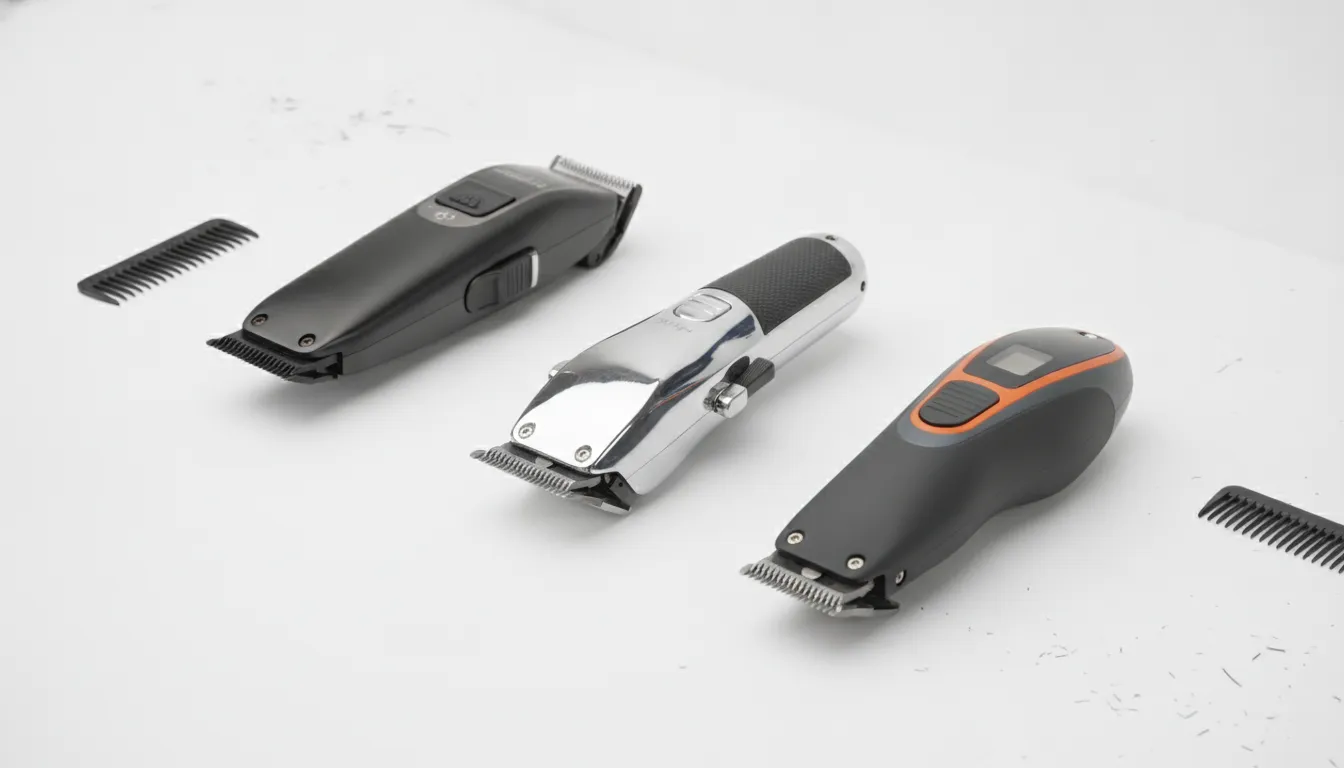
A cordless clipper can make a busy station feel more controlled, but the right choice is not determined by battery runtime alone. Skin fades, bulk removal, all-around cutting, and mobile work place different demands on the motor, blade system, lever, balance, and recharge plan.
The best cordless clipper for barbers is the model whose motor behavior, adjustable blade, ergonomics, runtime, and serviceability match the work you perform most often. Compare those factors by use case, then plan charging and maintenance around your actual schedule.
This guide compares cordless options for professional fades and everyday barbering without treating one model as universal. For broader category context, review our best barber clippers and product buying guide, then consider why removing the cord changes both station workflow and battery responsibility.
Call The Barber Company at (702) 900-9972 for help choosing your next professional cordless clipper.
Why More Barbers Are Switching to Cordless Clippers
Cordless clippers remove the cable from the cutting area. Barbers can move around the client and reposition the tool during a service. That flexibility helps in busy shops, compact stations, and mobile setups. The tradeoff is simple: cordless freedom requires deliberate battery planning.
Professional clipper selection should account for motor type, blade performance, runtime, charging, and ergonomics, rather than treating cordless operation as the entire decision. The Barber Company’s clipper selection guidance also recommends comparing balance, motor behavior, the blade system, recharge options, serviceability, and the tool’s intended role.
More movement with less station clutter
A cable can limit how a barber approaches the neckline, changes sides, or reaches around a client. Without that tether, the clipper can move naturally with the barber’s hand. It is easier to turn the tool, change posture, or step around the chair without dragging a cord across the workstation. This does not automatically improve every cut, but it can make the physical workflow feel cleaner and more controlled.
Cordless tools also suit mobile barbers and compact stations. A smaller setup has fewer cables to pack, route, and protect from spills. In a traditional shop, removing one cable from the station can leave more room for guards, combs, disinfecting supplies, and other tools. These practical gains are especially noticeable when the barber switches frequently between bulk removal, blending, and detail work.
The battery becomes part of the workflow
Freedom from a cable does not mean freedom from planning. Published runtime is a reference point, not a promise of uninterrupted shop operation. Actual runtime can change with usage, blade load, battery age, and maintenance, so a barber should consider how the clipper will be used across a full schedule. A high runtime figure is useful, but it should not replace an evaluation of balance, motor behavior, blade performance, recharge options, and serviceability.
A practical cordless setup includes a charging routine before the workday, a known place for the charger, and a backup plan if the battery runs low. Depending on the model and station, that backup may mean a second charged tool or a corded option. The goal is not to eliminate every cord from the shop. It is to prevent a depleted battery from interrupting a client service.
Choosing from a professional cordless range
The Barber Company carries cordless models from Gamma+, Wahl, BaByliss Pro, StyleCraft, Andis, JRL, and S|C. That range gives barbers room to compare tools by hand feel, cutting role, motor behavior, blade system, and support needs instead of choosing from a single design. The right choice for a mobile barber may differ from the right choice for a high-volume shop or a barber who keeps a compact station.
Think of the professional cordless range as a starting point for a use-case decision. Cable freedom is valuable, but the best cordless clipper for barbers is the one whose performance, handling, battery plan, and serviceability fit the way you actually cut.
What to Look for in a Professional Cordless Clipper
A professional cordless clipper should be judged as a complete cutting system, not by runtime alone. Compare the motor’s behavior, blade design, cutting range, strokes per minute, battery workflow, balance, and serviceability against the work you perform most often. The right combination supports consistent fades, bulk removal, and all-around cutting without forcing every barber into the same model.
Start with the motor, because useful power through dense sections can reduce tugging and repeated passes. The sound, vibration, and response also tell you how the clipper may feel during a full day. Motor type is only part of the decision. Learn how different designs behave in the guide to vector versus rotary motors, then match that behavior to your cutting pace and technique.
Match the blade and lever to your technique
Blade geometry changes how the clipper moves through bulk and blends transitions. Look at the usable cutting range, tooth or blade design, and how easily the blade can be adjusted. For skin fades, check whether the blade supports precision adjustment and whether it can be zero-gapped safely. A lever with a clear, controllable range makes it easier to open and close the cutting line gradually instead of relying on awkward hand pressure.
Do not confuse a clipper with a trimmer or foil shaver. A clipper is generally the bulk-removal and blending tool; a trimmer handles detail work and outlining. A foil shaver finishes close skin contact after the hair has been reduced. Building a station around the correct roles prevents one cordless tool from being asked to do every job.
Evaluate battery workflow, comfort, and upkeep
Published runtime is a planning reference, not a promise of uninterrupted shop operation. Actual runtime changes with usage, blade load, battery age, and maintenance. Confirm how the unit charges, whether you can work while plugged in, and how you will keep a charged backup available during busy periods. A three-hour listing, for example, should not be converted into a guaranteed number of appointments.
Hold the clipper as you would during a long taper. Balance, grip shape, weight distribution, vibration, and access to the lever affect fatigue and control. Finally, choose a design you can maintain. Clean the blade area, use the correct oil, inspect wear, and confirm that repair, sharpening, or zero-gapping support is available when adjustment is no longer enough. The how to choose a barber clipper guide provides a broader checklist for comparing these specifications before you buy.
What Are the Best Cordless Clippers for Professional Fades?
There is no single cordless model that suits every fading technique, clientele, or shop schedule. The strongest choice depends on how you remove bulk, soften guidelines, control the lever, handle the tool, and manage charging between services. Treat listed runtime as a planning reference, then match the clipper’s role to your actual workflow.
For a skin fade, evaluate blade adjustment, zero-gap capability, lever control, and precision before looking at a headline specification. Motor behavior and balance matter just as much when you are working close to the skin or blending for several hours. The Barber Company carries cordless equipment across these professional categories, including the models below.
| Model | Best fit | Blade, lever, or handling focus | Cordless workflow note |
|---|---|---|---|
| Wahl 5-Star Magic Clip cordless | This model suits blending and softening fade guidelines. | Its patented stagger-tooth blade works with taper-lever control for refining transitions. | It is listed with more than 100 minutes of runtime, so include charging in your daily plan. |
| Andis Master Cordless Limited Edition Gold | This model suits barbers who prefer a high-speed rotary platform. | It uses a high-speed rotary motor and adjustable blade workflow. Assess balance and lever feel in hand. | It is listed at 7,200 blade strokes per minute and 90 minutes of runtime. |
| Gamma+ Boosted Cordless Clipper | This model suits customizable fade work and extended cordless sessions. | Its three customizable levers let the barber tailor control to technique. | It is listed with a three-hour runtime on one charge. Actual runtime varies with use and maintenance. |
| Gamma+ Shorty | This model suits barbers who want a compact option for close, controlled work. | Prioritize grip, balance, blade adjustment, and zero-gap setup for your technique. | The store highlights this model. Confirm current specifications and charging details before purchase. |
| JRL Ghost | This model suits barbers considering a featured cordless shop option. | Compare its current blade and lever configuration with the fade work you perform. | The store highlights this model. Verify current runtime and recharge information before relying on it for a full schedule. |
| S|C 360 Jeezy | This model suits barbers seeking a compact, style-specific cordless setup. | Evaluate handling, blade adjustment, and lever response against your preferred blending motion. | The store highlights this model. Review current product details and plan a backup charge. |
The Wahl professional cordless clippers collection is a practical starting point if your priority is blended transitions. The Magic Clip’s stagger-tooth blade is listed for seamless blends, and its listed runtime exceeds 100 minutes. That does not guarantee a fixed number of appointments, because hair density, blade load, battery age, and maintenance change real-world use.
The Andis Master takes a different route. Its listed high-speed rotary motor and 7,200 blade strokes per minute may appeal to barbers who want a particular motor response for bulk removal and fading. The 90-minute listed runtime makes charging discipline especially important in a busy schedule. Compare the tool’s balance and lever feel, not just the number on the box. Browse Andis barber clippers to review the current collection.
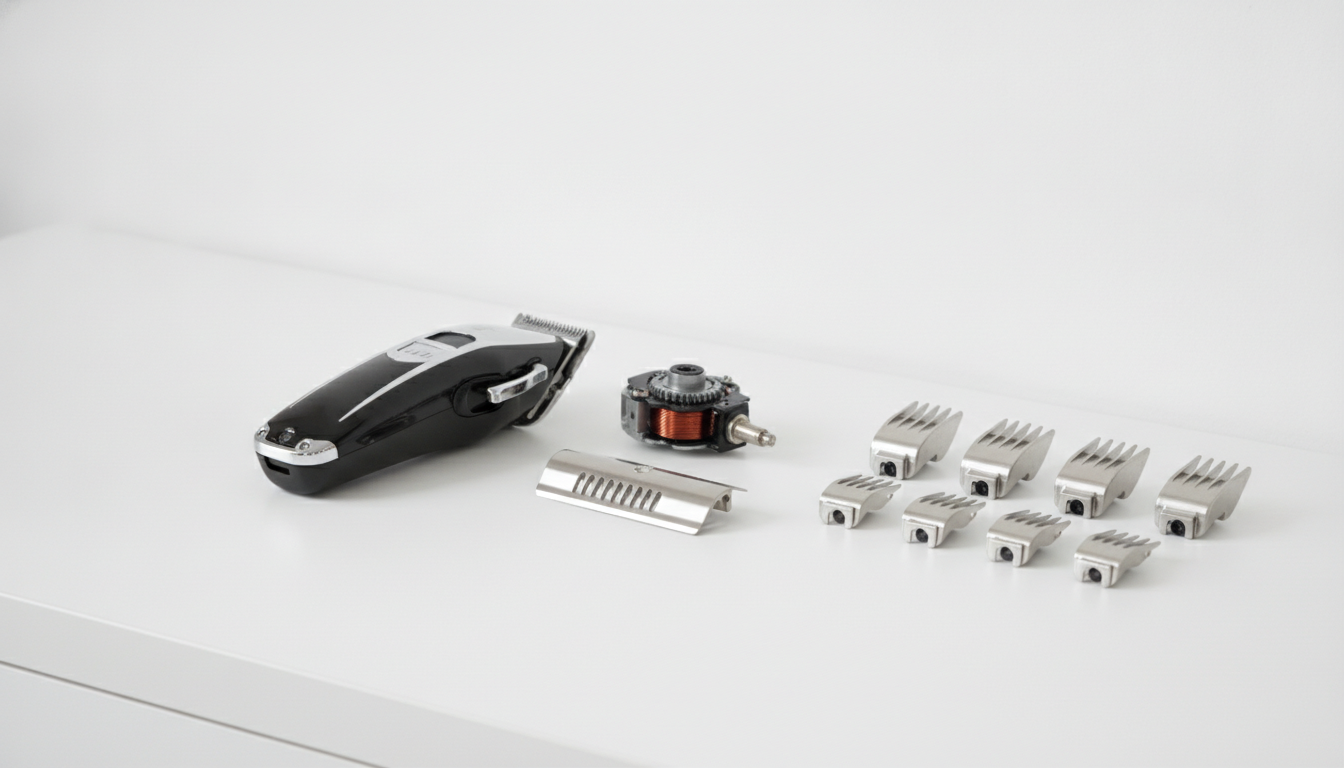
Gamma+ Boosted is a useful choice for barbers who value adjustment. The store lists three customizable levers and a three-hour runtime on one charge. Use those details as a starting point, then confirm how the clipper feels during your own blend sequence. A compact model such as Gamma+ Shorty may suit a barber who values a smaller handling profile. Check current technical details before committing to a shop-wide setup.
JRL Ghost and S|C 360 Jeezy are also highlighted in the store’s cordless assortment. For either model, make the decision by role rather than popularity: test grip and balance, inspect blade adjustment, and confirm charging information. Keep the categories clear because a clipper removes bulk and builds a blend, a trimmer refines edges, and a foil shaver finishes suitable areas. The right fade workflow may use more than one tool. For care, cleaning, sharpening, zero gapping, and repair support, follow The Barber Company’s barber clipper maintenance guide.
Which Cordless Clipper Is Best for All-Around Barbering?
For all-around barbering, the right cordless clipper should handle bulk removal, blending, and everyday cutting without becoming tiring or difficult to control. A headline runtime is only one part of the decision. Blade design, lever feel, motor behavior, guard range, balance, charging options. And the availability of a corded fallback all shape how confidently a tool performs through a busy schedule.
An all-around clipper is usually the shop’s primary workhorse. It should remove weight efficiently, give useful feedback as you approach a blend, and feel predictable in the hand. Dense hair exposes a motor’s behavior quickly. If the clipper slows noticeably or pulls when the blade meets heavier sections, bulk removal becomes slower and the barber may compensate with extra passes. That can affect both efficiency and client comfort.
For blending, pay attention to how the lever moves through its range and how the blade responds between guard lengths. The Wahl 5-Star Magic Clip cordless model is listed with a patented stagger-tooth blade intended to soften blend lines, along with more than 100 minutes of listed runtime. That combination makes it worth considering for barbers whose daily work includes frequent fades and scissor-over-comb transitions. Review the current Wahl professional clippers collection for the model’s present details.
The Andis Master Cordless Limited Edition Gold is listed with a high-speed rotary motor, 7,200 blade strokes per minute, and 90 minutes of listed runtime. Those specifications provide useful context for barbers who value a substantial, consistent cutting feel, but they do not make it a universal choice. Hand size, preferred lever resistance, blade adjustment, and the type of clientele in your chair still matter. Browse the Andis barber clippers collection when comparing that workflow.
Comfort becomes more important when one clipper covers most services. A balanced housing and a grip that does not force the wrist into an awkward angle can reduce fatigue over repeated cuts. Compact options may be especially practical for mobile barbers, students, or stations with limited storage. The Barber Company highlights Gamma+ Shorty, Wahl 5-Star Vapor, JRL Ghost. And S|C 360 Jeezy among its top-selling products, giving shoppers several form factors to assess rather than one prescribed winner.
Do not confuse a compact trimmer or foil shaver with an all-around clipper. Trimmers are useful for outlines and detail work, while foil shavers finish close areas after the clipper work is complete. For a broader model-by-model framework, read the best barber clippers and product buying guide. Finally, confirm whether your preferred model can operate while plugged in or keep a charged backup available. A corded fallback protects the appointment when runtime, charging, or battery age becomes a practical limitation.
Battery Life Reality: What the Specs Actually Mean for Your Day
Published runtime is a planning reference, not a promise that a clipper will complete a fixed number of appointments. Actual battery life changes with usage, blade load, battery age, and maintenance. A dependable cordless setup therefore includes charging habits, backup power, and a realistic understanding of how your cutting style affects consumption.
For context, The Barber Company lists the Gamma+ Boosted Cordless Clipper with a three-hour runtime on one charge. The Wahl 5-Star Magic Clip is listed with more than 100 minutes, while the Wahl 5-Star Vapor is listed with 2.5 hours. The Andis Master Cordless Limited Edition Gold is listed with 90 minutes. These figures help compare products, but they should not be treated as appointment guarantees.
Build your battery plan around the workday
A barber working continuously through dense hair, bulk removal, or heavily loaded blades may use power differently from someone performing shorter blend-focused services. Battery age can also reduce the useful margin over time. Plan around your busiest realistic day rather than the largest number printed on a product page.
- Start with a full charge. Charge each primary clipper before the shop opens, then confirm that the indicator or charging behavior shows the tool is ready. Keep chargers in a known location instead of searching for them between clients.
- Keep spare power available. A second charged cordless clipper, a compatible spare battery where applicable, or a practical corded fallback protects the appointment schedule when runtime falls short. This matters especially in a busy shop or mobile setup.
- Place charging within reach. A charger at the station makes a short top-up easier during a break. Do not let the cable interfere with the work area, sanitation routine, or client movement.
- Watch the blade load. Hair and product buildup increase resistance and can change how the motor draws power. Follow a consistent cleaning, oiling, and inspection routine using this barber clipper maintenance guide.
- Reassess aging batteries. If a familiar tool begins falling noticeably short of its normal work pattern after proper maintenance and charging, treat that change as a service signal. Do not compensate by promising clients a runtime the clipper no longer delivers.
The strongest cordless workflow is not the one with the longest headline figure. It is the one that pairs an appropriate clipper with disciplined charging, manageable blade load, backup power, and maintenance support when performance changes.
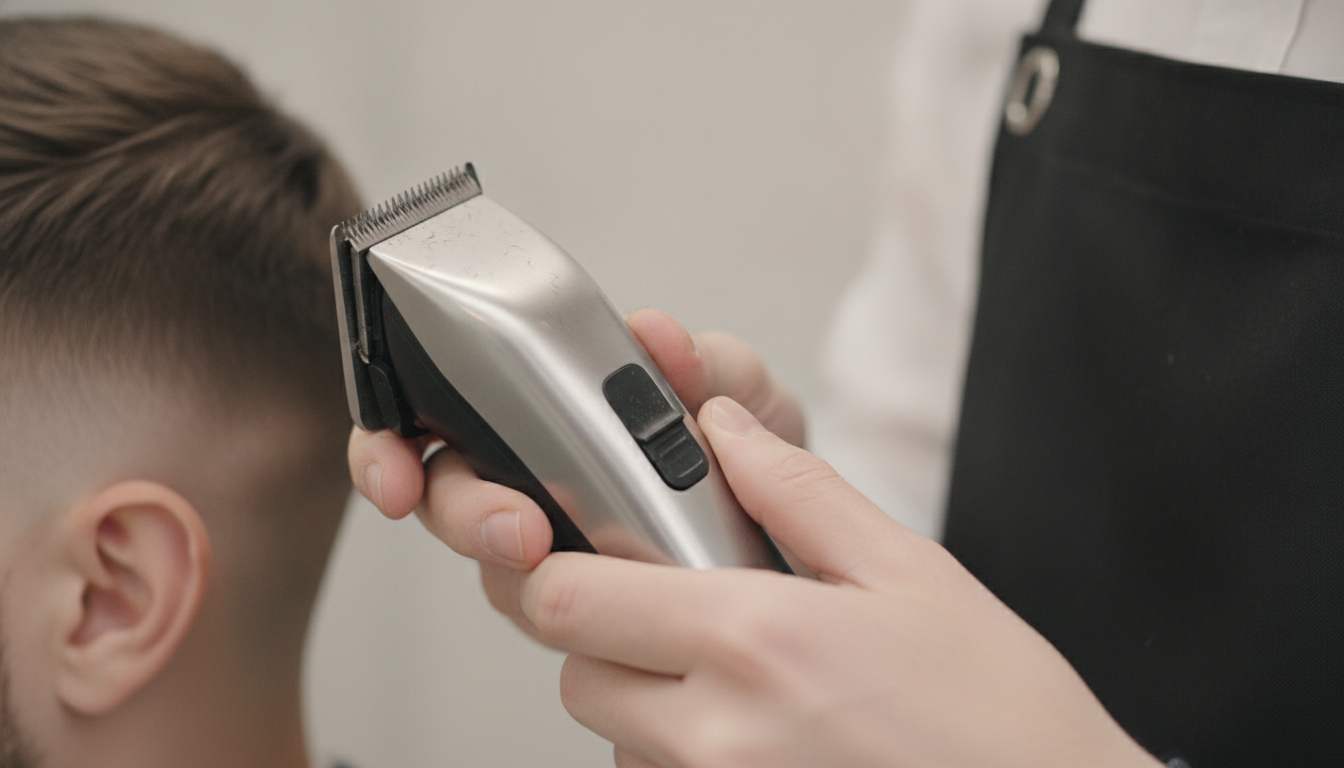
How Should Barbers Match a Cordless Clipper to Their Cutting Style?
The right cordless clipper depends on the work it must perform repeatedly, not on a universal ranking. Match the motor behavior, blade adjustment, lever control, balance, runtime, recharge options, and serviceability to your primary role. A fade specialist, mobile barber, shop owner, and home user may each need a different setup.
For skin fades and tight blending, prioritize a clipper with precise blade adjustment, dependable lever control, and zero-gap capability when appropriate for your technique. These features help you work through guideline removal and gradual transitions. The best cordless clipper for barbers is the one whose cutting range and hand feel let you make controlled adjustments without forcing your usual motion. If you rely heavily on motor feedback. Compare vector and rotary designs through the lens of how they behave under your cutting pressure, rather than treating either type as automatically superior.
Bulk removal calls for a full clipper that can move efficiently through longer or denser hair before you begin detail work. Look at the blade system, motor behavior, cutting range, and balance together. A trimmer is designed for outlines, facial hair, and fine finishing. For example, the StyleCraft Instinct cordless trimmer is a trimmer, so it should not be selected as the primary tool for bulk removal. A foil shaver serves a different finishing role, taking a fade closer after the clipper and trimmer stages.
For all-around barbering, choose the tool that supports your most common services while remaining comfortable through repeated passes. A shop owner may value repeatable performance, available inventory, and straightforward maintenance across several stations. Wholesale buyers should also consider whether a consistent model family makes training, replacement, and daily setup easier. The Barber Company supports that evaluation through its wholesale barber supply in Las Vegas selection.
Mobile barbers should give extra weight to balance, grip, charging options, and the consequences of carrying fewer backup tools. Compact equipment can simplify a mobile station, but battery planning and serviceability become part of the haircut workflow. Consumers and students can use the same role-based approach without needing a professional license: identify whether the priority is bulk cutting. Blending, outlining, or close finishing, then choose the correct tool category.
Finally, treat hand feel as a practical test rather than a minor preference. A clipper that feels balanced, responds predictably, and fits your lever technique is easier to control over a full day. Keep blades clean and maintained, and use The Barber Company’s clipper repair service in Las Vegas when equipment needs technical attention. That support can help preserve the performance of a cordless setup after the initial purchase.
Call The Barber Company at (702) 900-9972 for professional cordless clipper guidance before you buy.
Frequently Asked Questions
What are the top 5 hair clippers for barbers?
There is no single top five for every barber. A practical shortlist should cover different workflows, such as a fade-focused clipper with precise blade adjustment. An all-around model with dependable blend control, and a compact option for mobile or crowded stations. Compare motor behavior, blade system, lever control, ergonomics, runtime, recharge time, and serviceability before choosing.
Which hair clippers do professional barbers use?
Professional barbers use cordless models from brands such as Gamma+, Wahl Professional, BaByliss Pro, StyleCraft, Andis Professional, and JRL, among others. The right choice depends on the barber’s cutting style, hair density, hand comfort, and shop workflow. A clipper should also fit the rest of the toolkit, since a clipper is not a substitute for a dedicated trimmer or foil shaver.
What clippers do barbers recommend?
Barbers generally recommend a model that performs consistently in the role it will handle most often. For skin fades, prioritize blade adjustment, zero-gap capability, lever control, and precision. For all-around cutting, weigh blend feedback, balance, motor behavior, and comfort over a full shift. Published runtime is a planning reference, not a promise of appointment count, because usage, blade load, battery age, and maintenance affect actual performance.
For practical guidance on professional cordless clippers, The Barber Company can help you compare models by cutting role, motor behavior, blade setup, ergonomics, runtime, and serviceability. Wholesale buyers can also discuss equipment needs for multiple stations and choose a consistent setup for the workday.
Shop professional cordless clippers and barber supplies at The Barber Company.
Follow The Barber Company on Instagram at @barbercompanylv.
Visit The Barber Company at 4700 Meadows Ln #110, Las Vegas, NV 89107, or call (702) 900-9972.