
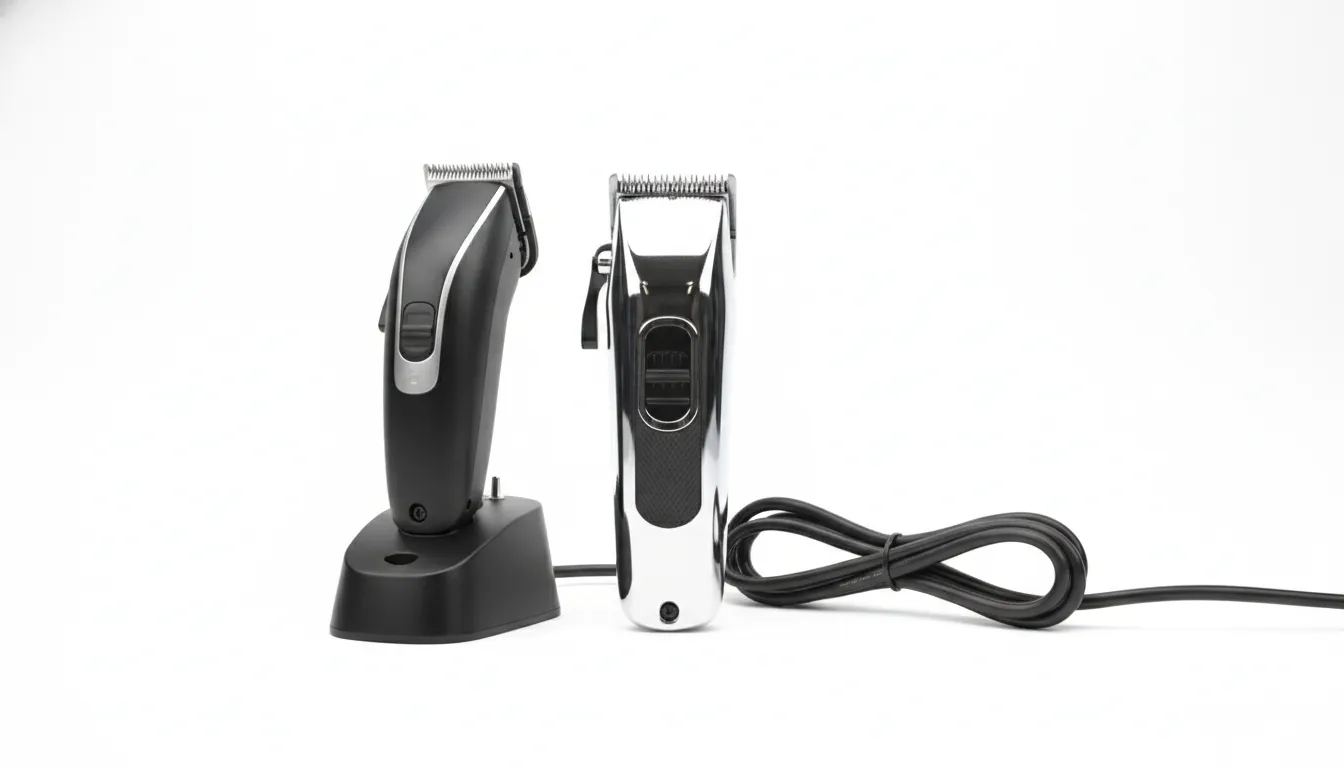
The motor is the working core of a professional clipper, and the right choice depends on how you cut. Vector and rotary systems can both deliver clean fades and reliable bulk removal, but they respond differently to hair density, resistance, heat, and sustained workload. Understanding that difference helps you match the tool to your chair, your clients, and your cutting pace.
Stop by The Barber Company in Las Vegas to compare professional clipper options with a barber who understands the work.
In the vector motor vs rotary motor clippers decision, you can choose either system for professional results. A vector motor delivers adaptive torque and consistent performance across changing hair density, while a rotary motor provides steady, high-torque power during heavy bulk cutting. The best option depends on your technique, workload, and typical client hair.
Before comparing fade performance, bulk power, and maintenance demands. It helps to understand what a vector motor is doing inside the clipper and why its torque response feels different in the hand. Our professional barber clipper maintenance guide can also help protect whichever motor you choose.
What Is a Vector Motor in a Clipper?
A vector motor is an adaptive clipper motor that responds to changing hair resistance instead of running at one fixed output. It senses density as the blade moves and automatically increases torque when the hair gets tougher. The result is steadier blade speed, fewer snags, and more control through varied textures.
In practical terms, vector technology helps a clipper maintain cutting performance through thick patches without forcing the barber to slow down or make repeated passes. When resistance drops, the motor reduces output rather than working at maximum power continuously. That adaptive behavior can support smoother single-pass cutting while helping the tool run cooler, quieter, and more efficiently on battery.
How adaptive torque affects the cut
Consistent blade speed matters when outlining, blending, and moving through uneven density. A conventional fixed-output motor may bog down when it meets a dense section, which can contribute to snagging or an inconsistent finish. A vector motor compensates by adding torque in real time, keeping the blade moving with less interruption. It does not replace proper blade selection, tension, cleaning, or technique, but it gives the barber a more stable mechanical platform.
This is especially useful for professionals who move between fine, straight hair and coarse or curly textures throughout the day. Lower unnecessary output also means less heat and mechanical strain during lighter cutting. For a closer look at motor type, blade design, ergonomics, and other buying factors, use this guide on how to choose a barber clipper.
Which brands use vector motors?
Vector-motor technology appears in professional models from brands such as StyleCraft, JRL, and Gamma+. Model specifications still matter, because motor behavior, blade geometry, stroke rate, battery capacity, and housing design vary between clippers. The right choice depends on whether your daily work emphasizes fades, bulk removal, detail work, or a mix of services.
What Is a Rotary Motor in a Clipper?
A rotary motor is a traditional clipper power system that delivers sustained, high-torque output at a steady blade speed. Unlike a vector motor, it does not sense hair resistance and adjust torque in real time. Its strength is consistent raw power, making it a practical choice for bulk removal and dense, wet, coarse, or curly hair.
In operation, the motor drives the blade through a rotating mechanism rather than relying on adaptive torque control. The clipper keeps working at its designed power level, which gives a barber a predictable cutting response when moving through heavy sections. That steady output is why rotary motors have long been regarded as a powerhouse in professional barbering.
Where rotary power is most useful
Rotary clippers are especially effective when the first priority is removing volume. Thick hair, wet hair, coarse texture, and large areas of bulk can place a meaningful load on the blade. A strong rotary motor helps maintain cutting performance instead of making the barber repeatedly pass over the same section. It is also useful for shop environments where a clipper may be used continuously throughout the day.
Many professional rotary models offer multiple speed settings. That gives the barber more control over the cutting feel, although the motor itself is still delivering conventional, non-adaptive power. Speed selection can help tailor the tool to the service, blade, and hair texture.
Choosing a professional rotary clipper
Look beyond the motor label. Blade quality, housing balance, ergonomics, battery design, heat management, and serviceability all affect the tool in your hand. When comparing a Wahl Magic Clip with an Andis rotary model, confirm each product’s actual motor specification rather than assuming the brand or model name tells you everything. Review the main professional clipper motor types before buying.
Rotary is not automatically better than vector. It is a strong fit when sustained torque and bulk-cutting performance matter most. Keep the blade clean, lubricated, and properly adjusted so the motor is not compensating for avoidable friction or drag.
Vector Motor vs. Rotary Motor Clippers: Speed, Power, and Torque Compared
The practical difference between vector motor vs rotary motor clippers is how each responds to cutting resistance. A vector motor adjusts torque as hair density changes, while a rotary motor maintains sustained high torque. Both can deliver professional results, but the better choice depends on texture, workload, heat tolerance, and cutting technique.
| Factor | Vector motor | Rotary motor |
|---|---|---|
| Torque adaptation | Senses resistance and increases torque in real time when hair becomes denser. | Delivers constant, high torque for sustained cutting power. |
| Blade speed consistency | Maintains blade speed by adapting output through thick patches. | Maintains a steady full-power blade speed during continuous work. |
| Best hair types | Versatile for mixed densities, changing texture, and precision work. | Well suited to thick, coarse, curly, or wet hair and bulk removal. |
| Heat and noise output | Can run cooler and quieter because it works harder only when needed. | May produce more heat and noise during extended full-power use. |
| Battery demand | Adaptive output can support efficient battery use across varied cuts. | Continuous high output can place greater demand on the battery. |
| Best use cases | Fades, detailing, mixed-density cuts, and barbers who value responsive control. | Bulk cutting, heavy-duty shop schedules, and removing substantial volume. |
Torque behavior is the key distinction. A vector motor reads the resistance created by changing hair density and boosts torque when the blade needs additional force. That helps preserve cutting speed through a dense patch without requiring the motor to operate at maximum output everywhere. For a barber moving between fine sections, coarse areas, and different textures in the same service, that response can make the tool feel controlled rather than aggressive.
A rotary motor takes a different approach. Its constant high-torque delivery provides dependable power for sustained work, which is why rotary clippers remain strong choices for bulk removal and thick or curly hair. The tradeoff is that continuous power can create more heat, noise, and battery demand during a long session. Those factors matter in a busy shop, especially when a clipper is used repeatedly without much cool-down time.
Neither motor is automatically better. Choose vector when adaptive response, efficient operation, and fine control matter most. Choose rotary when the priority is uninterrupted torque for heavy cutting. For a broader look at motor types, blade systems, and professional buying considerations, review our best barber clippers for professionals.
Which Motor Is Better for Skin Fades?
For skin fades, both vector and rotary motors can deliver clean results when the blade speed, lever control, and technique are matched to the hair. A vector motor adapts torque as density changes, while a rotary motor supplies sustained power through bulk. The better choice depends on how you blend and cut.
Skin fades demand control more than raw power. You are removing weight in small increments, opening and closing the lever, and moving through several guard lengths without leaving a visible shelf. The clipper should maintain a predictable blade speed as hair density changes, because hesitation or snagging can turn a soft transition into a hard line.
Why vector motors suit detailed blending
A vector motor senses resistance and adjusts torque in real time. When the blade encounters a denser patch, it increases force to help maintain speed rather than bogging down. That adaptive response is useful when fading varied textures across the same head. It supports a smoother, more controlled stroke while you erase guidelines and refine the transition between guards.
Vector is especially practical for barbers who use one clipper through several stages of a fade. Start with bulk removal, then reduce the guard length and work closer to the skin with deliberate flick-out motions. Let the blade do the cutting without pressing harder than necessary. Excess pressure can create uneven patches even when the motor is capable.
Where rotary motors have an advantage
A rotary motor delivers sustained, high-torque power at a steady blade speed. That makes it effective when a skin fade begins with heavier bulk, thick hair, or a dense area that needs to be cleared quickly before blending. Once the weight is removed, the barber can use controlled lever work and shorter strokes to refine the fade.
Zero-gapping is important with either motor. The customer adjusts blades to approximately 0.1mm to 0.4mm, creating the close cutting position needed for the first guideline and detailed cleanup. The setting must remain precise and comfortable on the skin; an aggressive gap does not replace sound technique.
Choose the motor that matches your workflow, then prioritize blade alignment, consistent hand pressure, and a clean fade sequence. For equipment recommendations, compare the best professional barber clippers for flawless fades available for your cutting style.
Which Motor Is Better for Bulk Cutting and Textured Hair?
For bulk cutting and textured hair, rotary motors deliver sustained high torque, while vector motors adjust torque as hair density changes. Rotary power is especially useful for thick, curly, or coarse sections that can slow a weaker clipper. A vector motor is the more adaptive option when the service moves between dense bulk, softer areas, and detailed blending.
When removing significant weight from thick or curly hair, the motor needs to maintain blade speed as resistance increases. A rotary motor supplies constant, high-torque output at a steady blade speed, making it a dependable choice for heavy bulk removal. It is well suited to the first pass through dense sides, long debulking work, and clients whose hair stays compact against the head.
That sustained output does not mean the clipper should be forced through the hair. Use the correct blade or guard, keep the blade moving, and let the motor do the work. On coarse textures, slow pressure can create snagging even when the motor has adequate power. Clean sections and controlled passes give the blade room to cut instead of repeatedly loading the teeth.
Where a vector motor has an advantage
A vector motor senses changing resistance and increases torque when it encounters a denser patch. That adaptive response helps the blade maintain consistent speed without applying the same maximum output across the entire service. For a barber working through mixed textures, this can make transitions from bulk removal to shaping and blending feel more controlled.
Vector performance is particularly useful when a client has varied density across the crown, temples, and sides. The motor can respond differently as the clipper moves from a compact curl pattern into a lighter section, helping reduce stalls and uneven cutting. It also runs only as hard as needed, which can support cooler, quieter operation and better battery efficiency.
Choose based on the service, not the label
Choose rotary when your priority is maximum sustained power for repeated bulk work, heavy curls, coarse hair, or wet hair. Choose vector when you want torque that adapts across changing density and services that combine debulking with detail work. Both motor types can serve diverse clientele when paired with the right blade, guard, speed, and cutting technique.
Vector and Rotary Clipper Models Available at The Barber Company
The Barber Company stocks professional vector and rotary clippers from leading brands, including StyleCraft, Andis, Wahl, Gamma+, BaByliss Pro, JRL, and Oster. Las Vegas barbers can compare motor behavior, blade systems, and fit in person, while retail customers can access the same professional-grade equipment without a license.
Choosing between motor platforms is easier when you can handle the tools side by side. The Barber Company carries equipment for precision fading, bulk removal, shop use, mobile work, and home grooming. StyleCraft, Andis, Wahl, Gamma+, BaByliss Pro, JRL, and Oster each offer different combinations of torque, speed control, blade adjustment, balance, and battery performance. The right choice depends on how you cut, the hair textures you see most often. And whether you need one versatile clipper or a dedicated tool for a specific stage of the service.
Models for professional shops and retail users
Professional barbers and shop owners can ask about wholesale bulk pricing and reliable inventory for outfitting a team. The store also supports same-day delivery in Las Vegas when available. Retail customers are welcome to shop the same professional categories, with guidance from people who understand fading, debulking, detailing, and daily tool maintenance. No professional license is required to purchase.
A clipper’s motor is only part of its long-term performance. Blade alignment, lubrication, cleaning, and heat management affect cutting consistency just as much as the motor label. Review the best barber clippers for professionals before narrowing your selection, then use the clipper motor repair and cleaning guidance to protect the drive system and blade assembly.
When a tool needs more than routine care, The Barber Company provides professional blade sharpening, clipper motor repairs, and precision zero-gapping from 0.1mm to 0.4mm. These services help restore a clean cut and extend the useful life of equipment. For a broader maintenance routine, follow the store’s barber clipper care and maintenance guide.
Call (702) 900-9972 or visit The Barber Company storefront in Las Vegas to compare vector and rotary options with an experienced team.
Frequently Asked Questions
What is the difference between a vector motor and a rotary motor?
A vector motor senses cutting resistance and adjusts torque as hair density changes. It can increase power through thicker patches and reduce output when resistance is lower. A rotary motor delivers steady, high-torque power at a consistent blade speed, making it a traditional choice for demanding bulk work.
Are vector motor clippers better than rotary motor clippers?
Neither motor is universally better. Vector clippers suit barbers who want adaptive performance, efficient power use, and consistent speed across changing textures. Rotary clippers suit barbers who prioritize sustained torque for heavy bulk removal, coarse hair, or wet hair. Match the motor to your cutting workload and technique.
How does a vector motor adapt to different hair densities?
The motor responds to resistance at the blade. When it meets thicker or denser hair, it increases torque to help maintain cutting speed. Through finer hair, it does not need to work as hard. That adaptive response can help reduce snagging and make the clipper feel more controlled across varied textures.
Which motor type is best for thick hair?
Both can handle thick hair when the clipper, blade, and technique are appropriate. Rotary motors provide sustained high torque for bulk cutting, while vector motors adjust torque in real time as density changes. For frequent heavy debulking, choose a rotary model; for varied services, a vector model may offer more flexibility.
Do rotary motor clippers last longer than vector motors?
Motor type alone does not determine service life. Regular cleaning, correct oiling, cooling, blade maintenance, and timely repairs matter for either design. Have blades sharpened when needed and address unusual heat, noise, or reduced cutting performance early. Proper maintenance protects the motor and keeps the clipper working consistently.
Ready to Choose the Right Clipper Motor?
The right vector or rotary clipper depends on your cutting workflow, hair types, and how much control you want through each service. Test both motor styles in person, compare professional models, and get guidance from a team that understands barbering equipment. Call The Barber Company at (702) 900-9972 to discuss your needs, or visit the Las Vegas storefront to evaluate your options and ask about wholesale pricing.