
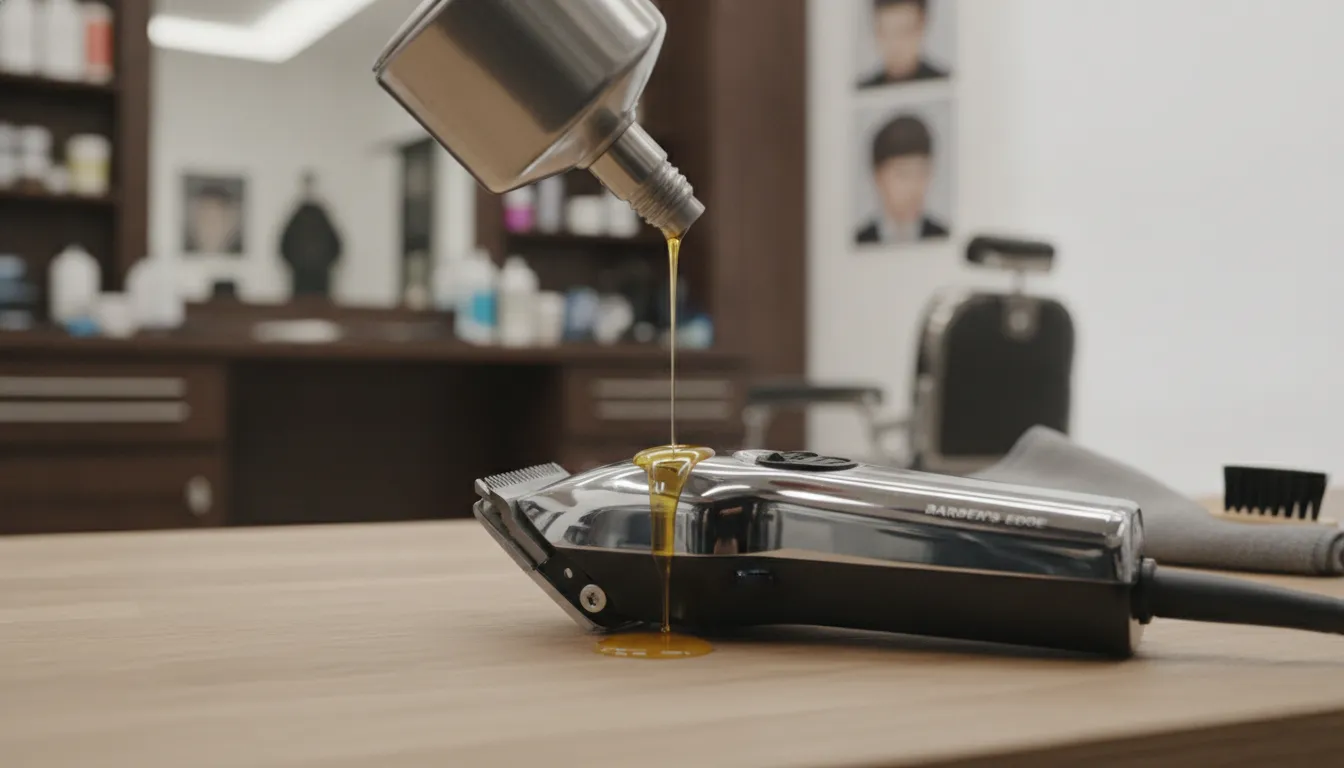
When your clipper blade drags and pulls at your client’s hair instead of slicing through it cleanly, the cut is ruined. Fixing clipper pulling hair how to fix starts with diagnosing the root cause: dull blades, trapped debris, insufficient oil, misalignment, or a weakening motor.
Stop by The Barber Company in Las Vegas today to feel the difference.
Your clipper pulling hair how to fix process starts with identifying the root cause. Dull blades are the primary culprit because worn edges fold and snag the hair shaft instead of cutting it cleanly. According to the University of Tennessee, sharp blades are essential for clean cutting. Fixing this starts with brushing out trapped hair, applying two drops of clipper oil, checking blade alignment, and testing motor performance. For persistent pulling, professional sharpening or zero gapping at The Barber Company will restore your tool’s cutting precision.
This guide walks through each cause in depth so you can pinpoint the exact problem and apply the right fix. The troubleshooting path begins with understanding the most common reasons your clippers are pulling hair and how to address each one.
Clipper Pulling Hair How To Fix: Diagnosing the Most Common Causes
Your clippers pull hair when the blades cannot make a clean cut. This issue usually stems from one of four root causes: dull blades, insufficient oil, trapped hair and debris, or a weak motor. Identifying which one affects your tool is the first step toward a smooth cut.
Dull blades and lack of oil
The most common reason for clippers pulling hair is severely dull blades. Over time, the sharp edges on the teeth wear down against hair, dirt, and natural oils. Instead of slicing hair cleanly, they pinch and tug with every pass. Dirt and sweat on unwashed hair act like fine sandpaper, accelerating this wear on the metal edges. A University of Tennessee study confirms that dull blades are the number one cause of clipper trouble in professional settings.
Dry blades create high friction between the moving and stationary plates. Without oil, the metal surfaces grind against each other, generating heat that expands the blades and slows cutting speed. Two drops of specialized clipper oil on the blade teeth can often stop the pulling immediately. For a full routine, refer to our Barber Clipper Maintenance Guide.
Hair buildup and misalignment
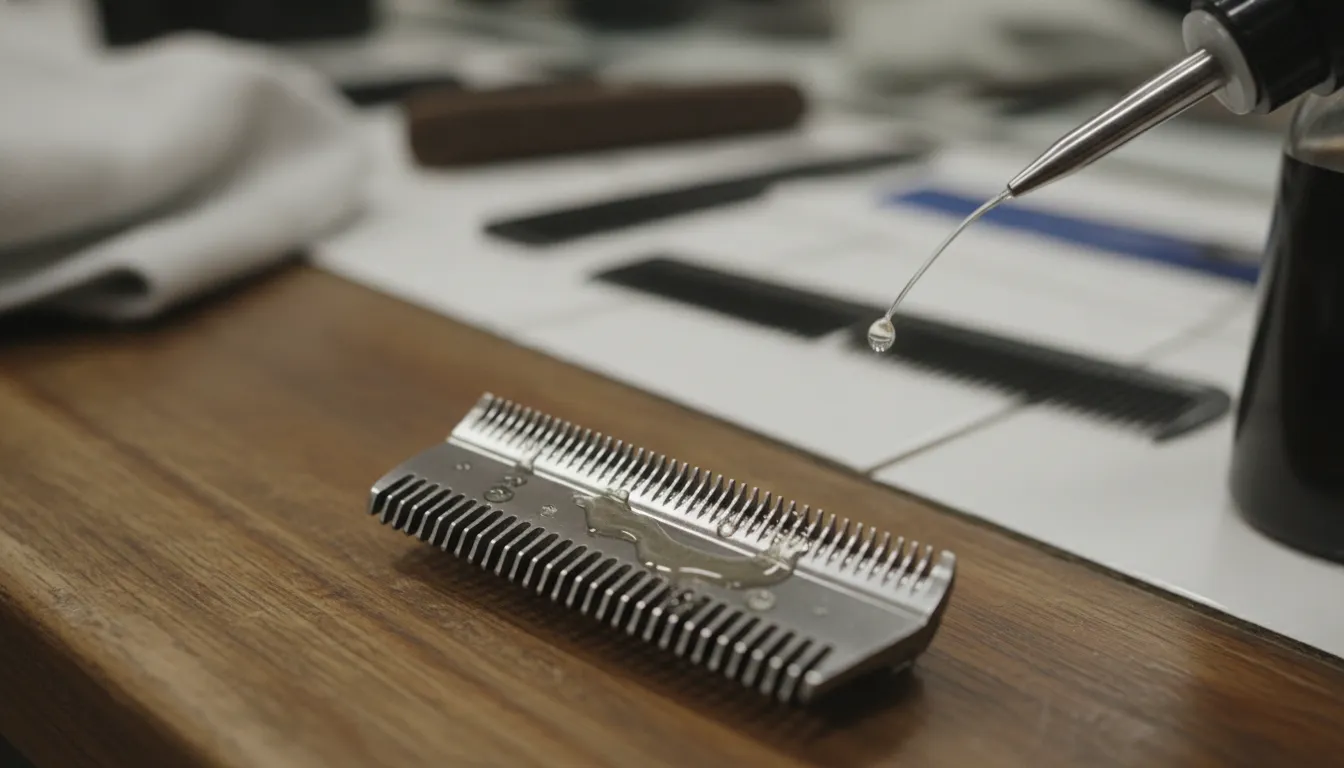
Hair clippings, dust, and skin oils accumulate behind the sliding blade during every cut. This buildup forces the blade plates apart, creating a gap that hair gets caught in. When hair wedges between the teeth, the blades attempt to cut the same strand twice, dulling the edges rapidly. You must brush these clogs out after each use to maintain clean cutting action.
Blade alignment is equally critical. If the top blade sits crooked or too far forward relative to the bottom blade, the teeth cannot close cleanly on the hair shaft. A loose screw from vibration or a drop can shift the blade out of position. This misalignment creates uneven tension and makes the clipper pull hair on one side. Checking alignment is an essential step in any clipper pulling hair how to fix routine.
Weak motors and wrong hair types
A motor that cannot maintain speed under load will make any blade feel dull. Cordless clippers with aging batteries are especially prone to this problem. As lithium-ion cells degrade, they deliver lower voltage, which slows the motor. The blades then move too slowly to slice through coarse hair and instead grab and tear.
Professional barbers and shop owners can also compare wholesale barber equipment and supplies in Las Vegas when building a reliable tool inventory.
Using the wrong tool for thick or curly hair is another common error. Light-duty home clippers lack the torque needed for dense hair. Professional tools from brands like Gamma+, Wahl Professional, and BaByliss Pro use high-torque motors rated at 7000+ strokes per minute to maintain consistent cutting speed. Choosing a tool that matches your client’s hair type prevents painful pulling from the start.
Is It the Blade or the Motor? How to Tell the Difference
Before you spend time and money on a fix, you need to know whether the problem is in the blades or the motor. Dull or misaligned blades cause uneven snagging and one-sided tugging. A weak motor or dying battery creates a slow, bogged-down drag that worsens under heavy hair loads.
Signs of dull or misaligned blades
When clipper blades become dull, they stop slicing and start pinching. The sensation is a rough, uneven pull across the entire width of the comb. If the clipper only pulls on one side, misaligned teeth are the likely cause. The top and bottom teeth must align perfectly to create a scissor action. When they are offset, hair folds instead of cutting.
Check the teeth from the side while the clipper is off. If you see an offset, adjust the screws to realign them. If the blades are straight but still snag, the edges may be too dull to grip. In that case, professional clipper blade sharpening restores the keen edge needed for clean cutting.
Symptoms of motor power loss
A failing motor mimics the feel of dull blades but requires a different fix. Listen to the sound of your clipper under load. A healthy motor maintains a steady hum. A weak motor drops to a low groan as soon as the blades touch hair. The tool feels sluggish and may stop mid-cut on thick sections.
With cordless models, battery degradation is the most common cause of motor slowdown. As the battery ages, it cannot sustain the voltage needed for full-speed operation. If your clipper bogs down even with clean, freshly oiled blades, the motor or battery is failing. This is a sign you need Las Vegas clipper repair service to replace the battery or service the motor.
How clipper speed impacts the cut
Sometimes the problem is neither the blades nor the motor but your cutting technique. Moving the tool too fast through dense hair forces the blades to handle more hair than they can cut in a single pass. This tears hair from the root, causing instant pain and an uneven result.
A study by the University of Tennessee notes that excessive hand speed also dulls blade edges faster because half-cut hairs interfere with the next stroke. To test, slow your hand speed on a small section. If the pulling stops, your motor and blades are likely fine. If it still snags at a slow speed, a dull blade or weak motor is confirmed. Also verify that you adjust clipper blade tension correctly.
Quick Fixes You Can Try at Home First
Before scheduling a professional repair, try these five home fixes that resolve the majority of clipper pulling issues. Most pulling problems stem from simple dirt buildup or lack of lubrication, both of which you can fix in minutes.
Step-by-step clipper troubleshooting at home
Wahl Professional confirms that basic cleaning and oiling resolves most pulling issues immediately. Follow these steps in order.
- Clean debris from blades. Use a fine brush or toothbrush to clear all hair and dirt from between the teeth before adding any oil. According to the University of Tennessee, trapped debris accelerates blade dulling.
- Apply two drops of clipper oil. Squeeze two drops directly onto the blade teeth while the tool is running. Always brush first because oiling over hair clogs the blades further. Learn to properly oil clipper blades to maximize blade life.
- Check and adjust blade tension. Inspect the spring and tension screws to ensure the top and bottom blades slide smoothly against each other.
- Inspect for blade damage. Look for chips, cracks, rust, or bent teeth. A damaged tooth grabs and yanks hair rather than cutting it.
- Test on a small section. Run the clippers through a clean patch of hair at a slow, steady pace. If it still pulls, the issue may be motor-related.
Why cleaning before oiling matters
Adding oil to dirty blades makes the problem worse. The oil mixes with trapped hair and debris to form a thick paste that clogs the blade gap. This forces the teeth apart and increases pulling. The University of Tennessee study specifically warns that oiling clogged blades causes hair to clump between the sliding parts. Regular daily care extends the life of both blades and motor.
When Blade Realignment or Zero Gapping Is the Real Solution
If your clippers still pull hair despite being clean and well-oiled, blade misalignment or improper gap spacing is the likely cause. Correcting the alignment restores clean cutting action and professional zero gapping takes it to the precision level needed for skin fades.
How to identify a misaligned blade
A crooked blade prevents the moving plate from sliding flush against the stationary plate, leaving a gap that hair enters but cannot exit cleanly. You can adjust clipper blade tension and alignment with standard tools to fix minor misalignment. If the top blade sits too far forward, the metal teeth will scrape or cut the client’s skin.
Blades become misaligned when the clipper is dropped or when vibration loosens the mounting screws over time. A loud rattling noise during operation is a sign that the blade guide has shifted. According to the University of Tennessee, running a misaligned clipper also accelerates blade edge wear.
What zero gapping does for your clippers
Zero gapping adjusts the cutting blade so it sits extremely close to the edge of the guide blade, typically achieving a clearance of 0.1mm to 0.4mm. This tight gap delivers crisp, clean lines and smooth bald fades that standard blade spacing cannot achieve. The cutting blade must never extend past the guide blade or the teeth will cut the skin.
Setting this gap requires precision tools and experience. A small error can cause painful skin nicks. At The Barber Company, we provide precise blade adjustments as part of our Las Vegas clipper repair service services.
DIY versus professional blade adjustment
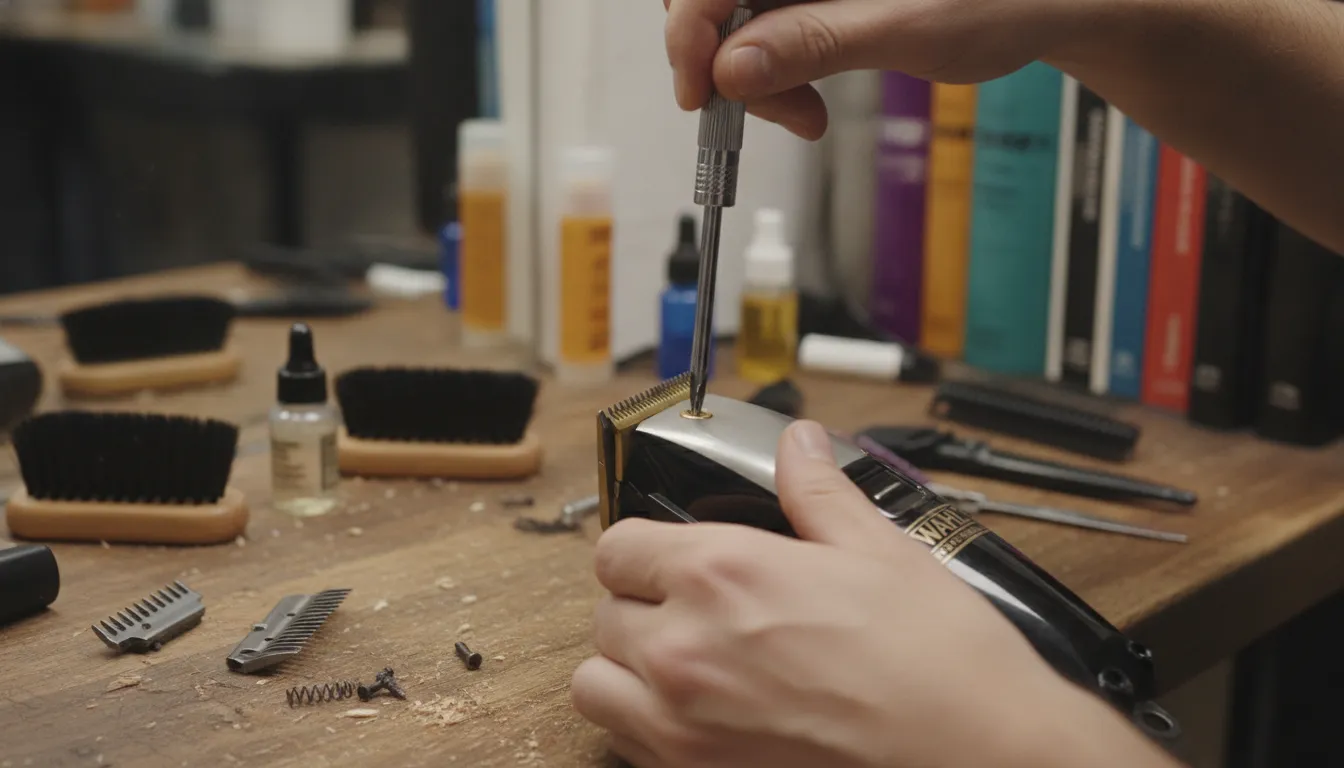
You can align blades at home with a screwdriver, but professional tuning delivers measurable precision. The table below compares both approaches.
| Factor | DIY Realignment | Professional Zero Gapping |
|---|---|---|
| Precision | Eyeballed alignment with standard screwdriver | Measured 0.1mm to 0.4mm clearance with specialty gauges |
| Safety | Higher risk of skin cuts if blades overlap | Tested and verified to prevent skin bites |
| Tools Required | Screwdriver and visual inspection | Feeler gauges, alignment jigs, and sharpening equipment |
| Best For | General cutting and home use | Bald fades, crisp line-ups, and daily professional use |
| Longevity | May need adjustment again within weeks | Calibrated to maintain alignment through extended use |
For daily professional use, have blades sharpened and zero gapped every six to twelve months. This keeps your tools performing at peak speed and protects your clients from painful snags.
When the Problem Is a Motor Issue (and Repair Is Needed)
When your clipper pulls hair despite clean, oiled, and properly aligned blades, a weak motor is the likely cause. A failing motor loses speed under load, causing the blades to tear hair instead of cutting cleanly. Professional motor repair can restore your tool for a fraction of replacement cost.
Recognizing a failing clipper motor
A clipper motor on its way out shows several telltale signs. The tool slows down noticeably when cutting thick or wet hair. It may make a high-pitched whine or grinding noise. The clipper body gets hot from the motor struggling to maintain speed. If the tool dies after just a few minutes of use with a fresh charge, the motor or battery is failing.
Professional-grade clippers from brands like Wahl, Andis, and Gamma+ use motors rated around 7000 RPM to maintain constant cutting power through dense hair. When that power drops, you cannot feed hair through the blades at a normal pace.
How battery wear affects cordless performance
In cordless models, battery degradation is the most frequent cause of motor issues. Lithium-ion batteries lose capacity with each charge cycle. After 300 to 500 cycles, the battery can no longer deliver the voltage the motor needs for full-speed operation. The motor spins slower even when the battery indicator shows a full charge. This voltage drop creates the same pulling sensation as dull blades, but cleaning and oiling will not fix it.
Why professional repair saves you money
Replacing a clipper motor or battery is far cheaper than buying a new high-end clipper. Premium tools from BaByliss Pro, StyleCraft, and Wahl Professional are built to be serviced. A motor swap, gear replacement, or fresh battery installation by a qualified technician can give your tool years more service life. At The Barber Company, our technicians diagnose and repair motor issues in our Las Vegas shop. contact The Barber Company for clipper repair to schedule your clipper service.
Frequently Asked Questions
How often should I oil my hair clippers?
Oil your hair clippers after every few uses to prevent dry friction and blade wear. Wahl Professional recommends applying two drops of oil to the blades at the first sign of pulling. Always brush away hair debris before oiling.
Can dirty hair dull clipper blades faster?
Yes, cutting dirty hair dulls blades significantly faster. Dirt, sand, and styling product residue trapped on unwashed hair get caught between the moving blade plates. According to a University of Tennessee study, these particles act like sandpaper and rapidly erode the sharp cutting edges.
What happens if I oil dirty clipper blades?
Adding oil to dirty blades creates a sticky paste that clogs the blade gap and makes pulling worse. The oil binds loose hair and debris into clumps that jam the sliding mechanism. The University of Tennessee fact sheet warns that oiling clogged blades traps hair between the moving parts. Always brush out loose hair before applying any oil.
How can I tell if my clipper blades are dull?
The clearest sign is when the clipper starts tugging or pulling at hair instead of cutting cleanly on the first pass. You may need multiple passes over the same spot. Inspect the teeth under bright light for rounded edges or shiny spots. If the blades look worn, visit The Barber Company for professional sharpening.
Should I replace or repair clippers that keep pulling hair?
Repair is almost always more cost-effective than replacement for professional-grade clippers. High-end tools from Gamma+, Wahl, Andis, and BaByliss Pro are designed for servicing. A motor replacement, battery swap, or blade zero gapping costs significantly less than buying new equipment.
How does zero gapping prevent hair pulling?
Zero gapping sets the cutting blade clearance to 0.1mm to 0.4mm, eliminating the gap that allows hair to slip between the blades and get pulled. This tight spacing ensures every hair is caught and cut on the first pass. Professional zero gapping delivers consistent results without the risk of skin nicks.
Ready to Fix Your Pulling Hair Clipper Blades?
Whether you need blade sharpening, motor repair, or precision zero gapping. The Barber Company in Las Vegas has the expertise and equipment to restore your clippers to peak performance. As a full-service barber supply and repair center, we serve professional barbers throughout the Las Vegas valley.
Bring your clippers to our store at 2735 S Highland Drive, Las Vegas, NV 89109, or call (702) 900-9972 to schedule your service. We offer free local delivery on orders over $50 across Las Vegas, Henderson, and North Las Vegas. visit The Barber Company for clipper repair for all your clipper repair needs.