
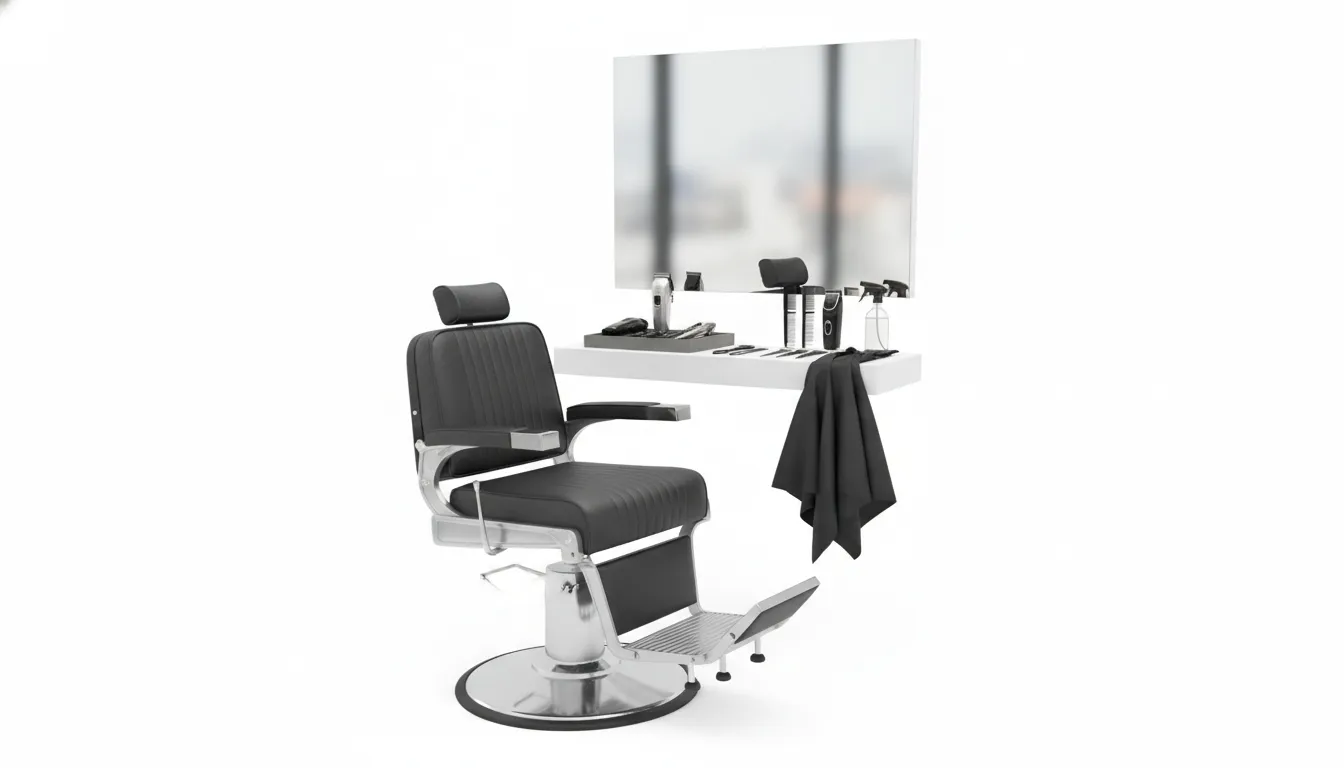
Opening a barbershop in Las Vegas involves more than putting chairs in a room and ordering a few clippers. Your first-day setup has to support a clean, repeatable workflow from consultation through cleanup, while leaving enough flexibility for different barbering styles and service volumes. The smartest approach is to organize purchases by function, not by brand popularity or a single shopping cart.
A practical barbershop equipment checklist starts with the station itself: a dependable barber chair, suitable lighting. A mirror, a durable work surface, and storage that keeps tools accessible without crowding the service area. From there, add cutting tools, sanitation supplies, maintenance items, back-of-house equipment, and replenishable consumables in the order your opening-day workflow requires.
That order matters because a well-equipped station reduces unnecessary movement, protects your tools, and makes client service easier to manage during a busy first week. Start by checking the physical workspace and station layout, then build the equipment list around how each barber will actually work.
Call The Barber Company at (702) 900-9972 for wholesale and startup equipment support.
What should a barbershop equipment checklist include first?
Start with the physical workspace that makes every service possible: a professional chair, mirror. Stable work surface or trolley, usable lighting, and enough room for the barber and client to move safely. Then extend the checklist beyond the station to reception, waiting, storage, and a clear path from arrival to checkout.
Build the active station around the service
The chair is the first decision because its height, recline, stability, and working clearance affect every cut, shave, and consultation. Choose professional-grade hydraulic seating that supports the services on your menu. Then position the mirror so the client can see the finished work without the barber twisting around the station.
Give each barber a work surface or trolley with defined zones. Frequently used tools should be within reach, while clean backups, cords, and less-used accessories stay organized rather than crowding the cutting area. A station organizer can help separate combs, guards, brushes, and styling products. The goal is not to fill every drawer. It is to make the next tool easy to find and the reset easy to repeat.
Lighting deserves the same attention as the chair. Use bright, even task lighting that reveals lines, fades, beard detail, and uneven color without creating harsh glare in the mirror. Check the station from the barber’s normal standing position and from the client’s seat. Shadows across the face or neckline can make otherwise precise work harder to evaluate.
Plan the front of house and client flow
A complete barbershop equipment checklist also accounts for what happens before and after the service. Reception needs a defined check-in point, whether that is a desk, counter, or compact digital setup. Waiting seats should not block the entry, station aisles, or access to sanitation supplies. Keep retail shelving visible, but do not let merchandise narrow the path or compete with the working stations.
Storage should be divided by function. Keep clean tools and unopened consumables protected from used items. Create a separate location for towels, capes, backstock, and maintenance supplies so replenishment does not interrupt a service. If the shop includes a shampoo area, confirm that its plumbing and clearance work with the planned traffic pattern before furniture is installed.
For opening-day sourcing, review the available Las Vegas barber supplies by station category rather than buying disconnected pieces. If exterior visibility is part of the plan, compare barber shop pole options after the entrance, wiring, and pedestrian clearance are settled. A station that supports the service and a front-of-house layout that protects client flow give the rest of the checklist a practical foundation.
Build each station around professional cutting tools
A dependable cutting station combines the primary clipper, detail trimmer, shears, guards, combs, shaver, cape system, and charging plan needed for the services on your menu. Add a backup tool and a defined storage location, then organize the station so the barber can move from consultation to finished cut without searching for essentials.
Start with the workhorses: a clipper for bulk removal and fading, a trimmer for outlining and detail work, and professional shears for scissor cuts and finishing. A corded clipper can provide consistent power at a fixed station, while a cordless model gives the barber more freedom around the client. Match the tool mix to the work your shop actually performs rather than buying every category before you have a service reason for it.
Each station should have the guard sizes that fit its clipper, several comb shapes for clipper-over-comb and styling, and a spray bottle for controlled moisture during cutting. Keep shears protected from loose tools. If shaving or bald-fade services are on the menu, add a foil shaver. A blow dryer belongs in the station only when the shop will use it for styling or finishing.
Do not treat the backup clipper as an optional luxury. The spare should cover the work that cannot pause while the primary tool is charging, being cleaned, or sent for service. Store compatible guards, replacement blades, charging equipment, and clipper oil in the same station system or in a clearly labeled shared cabinet. That separation makes it easier to identify what is ready for use and what needs cleaning or maintenance.
Runtime claims must stay tied to a named model. The Barber Company documents the Gamma+ Boosted Cordless Clipper with a three-hour runtime and three customizable levers. That specification belongs to the Gamma+ Boosted, not to cordless clippers as a category. Compare the motor, blade system, adjustment range, ergonomics, and charging method against the barber’s actual workflow. For a deeper selection framework, review the guide to professional barber clippers.
Finish the station with capes, neck strips, and a consistent reset location for every tool. The Barber Station Organizer and Barber Works Taper Comb – Hybrid Ceramic can help keep frequently used accessories visible without crowding the work surface. Label shared backstock, keep chargers where cords cannot cross the client’s path, and check every station before opening. A tidy layout protects time, reduces misplaced tools, and gives each barber a repeatable setup. Keep clean accessories separated from used items during the reset so the next service starts with a clear, controlled setup.
How do sanitation supplies fit into an opening-day setup?
Sanitation supplies are operating equipment, not a last-minute add-on. Build them into the opening-day setup so every station can move from one client to the next with clean tools. Fresh disposables, controlled waste, and a clear reset routine. The goal is a repeatable workflow that protects clients and keeps the shop moving.
- Stock the consumables each service uses. Put neck strips, clean towels or cape liners, paper towels, disposable gloves, hand soap, hand sanitizer, and waste-bin liners on the opening-day list. Keep clean capes and towels in a protected area, with a separate, clearly identified container for used capes. Covered waste bins should be placed where staff can reach them without crossing a clean work area.
- Separate clean tools from used tools. Give each station a defined location for disinfected combs and other non-electric tools, and a different place for items awaiting cleaning. Do not return a used comb, guard, or shear to the clean-tool container. That physical separation makes the correct choice easier during a busy service and supports a consistent handoff between barbers.
- Clean and disinfect according to the product label. Remove visible hair and soil first, then use an appropriate tool or surface disinfectant as directed. For products intended for immersion, fully submerge compatible non-electric tools for the contact time specified by the manufacturer. Do not guess the time, dilute a product casually, or immerse electrical equipment. Follow the label and the tool manufacturer’s instructions.
- Reset the station after every service. Remove hair from the chair, work surface, and floor area. Clean and disinfect tools and surfaces as appropriate, replace used neck strips and other disposables, and return fresh tools to their assigned places. A station reset should also include checking that the next cape, towel, combs, and styling tools are ready before the next client sits down.
- Prepare for routine safety needs. Keep gloves available for cleaning and chemical handling, and place hand soap where staff can use it easily. Store a first-aid kit in a known, accessible location rather than leaving it in an unopened supply box. CDC occupational guidance recognizes close contact with clients and coworkers as a workplace exposure consideration, and advises workers to stay home when experiencing COVID-19 symptoms. Treat that guidance as general workplace safety information, not as a statement of local barbershop licensing requirements.
Before opening, walk the full sanitation route: clean storage, service station, used-tool area, laundry or cape collection, handwashing point, and covered waste. If the workflow feels cramped, fix the layout before the first appointment. For a practical tool-care reference, review how to clean barber clippers, then confirm that every disinfectant and cleaning product on the shelf is compatible with the tools in use.
Plan maintenance before the first busy week
A dependable barbershop equipment checklist includes the supplies and services that keep every station cutting, charging, and resetting without avoidable delays. Stock clipper oil, blade wash, cleaning brushes, compatible replacement blades, and charging equipment. Then schedule sharpening, repair, and precision adjustments before a small issue becomes a full day of downtime.
Start each station with the maintenance basics. Clipper oil reduces friction during routine tool care. While blade wash helps remove hair and product residue before the blade is disinfected and stored according to the product label. Keep a dedicated clipper brush at each active station so barbers can clear debris without borrowing tools from another chair. The catalog should also include replacement blades and guards that fit the specific clippers in use, not merely a generic spare that may not install correctly.
Charging equipment deserves the same attention as the clippers themselves. Label chargers by model, keep cords organized, and designate a consistent charging location away from the wet sanitation area. A backup clipper should cover work that cannot pause while the primary tool charges, is cleaned, or goes to service. For corded tools, inspect plugs and cords as part of the opening walkthrough. For cordless tools, track the actual models and accessories at each station rather than relying on a generic runtime assumption.
Schedule service before performance drops
Do not wait for a blade to pull, a motor to sound abnormal, or a lever to feel inconsistent before planning service. Put sharpening and inspection on a recurring calendar based on workload and observed performance. The Barber Company offers professional blade sharpening for working blades and shears. A service appointment can also identify whether a tool needs cleaning, oiling, adjustment, or replacement.
When a clipper loses power or develops a mechanical issue, use Las Vegas clipper repair rather than leaving the tool in a drawer indefinitely. Precision blade alignment matters just as much. Schedule precision zero gapping when a tool requires a controlled close adjustment, and have the blade checked for safe, consistent contact.
Build a simple downtime plan
Record each tool’s model, station, service date, charger, and compatible replacement parts. Keep one ready backup for essential cutting work, identify where repaired tools will be stored. And maintain a short list of items that must be replenished after each service. This turns maintenance from an emergency response into another operating routine your team can follow during a busy Las Vegas week.
Add back-of-house, technology, and retail essentials
Back-of-house equipment keeps the client-facing stations supplied, clean, and ready for the next appointment. A complete barbershop equipment checklist should account for storage, laundry flow, reception, scheduling and payment tools, retail shelving, and any chemical-service inventory. Organize these systems before opening so barbers are not solving supply problems during a service.
Build storage and laundry around the workflow
Use dedicated shelving, cabinets, or rolling storage for backstock instead of leaving boxes around active stations. Group neck strips, capes, towels, gloves, paper products, and cleaning supplies by how often they are used. Keep a working supply near the stations and a clearly organized reserve in the back.
Laundry needs its own simple path. Provide a hamper or covered container for used towels and capes. Separate clean textiles from anything waiting to be washed, and make the fresh-towel location obvious to every barber.
Set up reception and operating technology
The reception area needs more than a desk. Plan for a waiting area, a workstation for appointments, payment processing, receipt handling, and a place to answer client questions without interrupting active services. A POS or shop-management system can connect transactions with inventory records, while online booking can reduce scheduling calls. Test the full process before opening day: booking, check-in, payment, receipt, cancellation, and stock adjustment.
Inventory tracking is especially useful for fast-moving retail and consumables. Start with clear categories and assign responsibility for checking them. The Barber Company’s catalog includes charging equipment, clipper oil, blade tools, replacement blades. And other maintenance accessories, so the purchasing system should track those items separately from primary cutting tools.
Merchandise products by customer need
Retail shelving should be easy to shop and easy to replenish. Separate shaving supplies, grooming products, hair products, and accessories rather than creating one crowded display. Relevant categories can include styling products, combs, brushes, sprayers, razor accessories, and replacement parts. The Barber Company also carries proprietary items such as the Barber Station Organizer, Barber Works Styling Powder, and Barber Works Taper Comb – Hybrid Ceramic.
If the shop offers coloring, bleaching, relaxing, or another chemical service, keep developers, shampoos, conditioners, and processing solutions in a separate, organized, clearly labeled inventory area. Do not mix that stock with everyday retail or station supplies. For the visual storefront, use the barber pole buying guide to compare options, then plan placement and installation separately from the operational equipment list.
How should a new shop prioritize its opening-day purchase?
Start with the equipment that lets each active station perform a complete service safely and consistently. A practical opening plan puts durable cutting tools, sanitation, client comfort, and maintenance support ahead of decor or slow-moving retail. Buy per station first, then build shared backstock as your service menu and workload become clearer.
| Priority | Buy before opening | Plan for later or replenish |
|---|---|---|
| 1. Complete stations | Equip every active station with its chair, mirror, work surface or trolley, clipper, detail trimmer. Guards, combs, shears, spray bottle, cape system, and a way to charge and store tools. | Add equipment for another station only when staffing, bookings, and floor space justify expansion. Keep station layouts consistent so tools are easy to find. |
| 2. Sanitation and comfort | Stock neck strips, clean towels or cape liners, disinfectant, paper towels, gloves, soap, hand sanitizer, waste-bin liners, and a first-aid kit. Include enough clean client-facing supplies for the opening workflow. | Replenish disposables through a simple usage check. Keep clean supplies separate from used capes and waste, and follow each disinfectant label for use and contact time. |
| 3. Tool continuity | Provide a backup clipper for work that cannot pause, plus compatible charging equipment, clipper oil, blade-cleaning supplies, replacement guards, and replacement blades. | Expand backup coverage after you see which tools carry the heaviest workload. Do not buy replacement parts until you confirm compatibility with the tools in use. |
| 4. Service-specific tools | Buy a foil shaver, blow dryer, or other specialty equipment only when those services are part of the opening menu. Prioritize tools that directly support booked services. | Add specialty tools as demand develops. Slow-moving retail, optional decor, and extra product categories can wait until the core workflow is stable. |
| 5. Maintenance and replenishment | Create a small maintenance shelf for oil, blade tools, cleaning brushes, and compatible replacement parts. Record model names so future orders are accurate. | Schedule sharpening, repair, and zero-gapping before a failing tool disrupts a full day. The Las Vegas local delivery option may help with replenishment, but confirm current coverage and terms before relying on it. |
This station-first method keeps the opening purchase tied to actual service capacity. The Barber Company serves professional shop operators across Las Vegas, Henderson, and North Las Vegas, so owners can also contact The Barber Company to confirm current product availability and delivery details before finalizing the checklist.
Use a Las Vegas supplier to close the checklist gaps
The final pass on a barbershop equipment checklist is easier when one local supplier can review stations, consumables, maintenance items, and replenishment together. The Barber Company serves professional shops and the general public across the Las Vegas area. Giving owners in Las Vegas, Henderson, and North Las Vegas a practical place to close gaps before opening day.
Start with the categories that affect daily production. The Barber Company carries clippers, trimmers, foil shavers, replacement parts, combs, styling tools, and barber accessories. So you can compare the primary tools with the supporting items each station actually needs. That matters when a checklist looks complete on paper but is missing charging equipment, compatible replacement blades, clipper oil, or blade tools. Build the order by active station first, then identify shared backstock and items that need routine replenishment.
The wholesale and retail model supports different purchasing situations. A new shop owner may need a coordinated opening order, while an established barber may need a replacement trimmer or consumable restock. Bring your service menu and station count to the discussion, then separate essential working equipment from optional retail or decor.
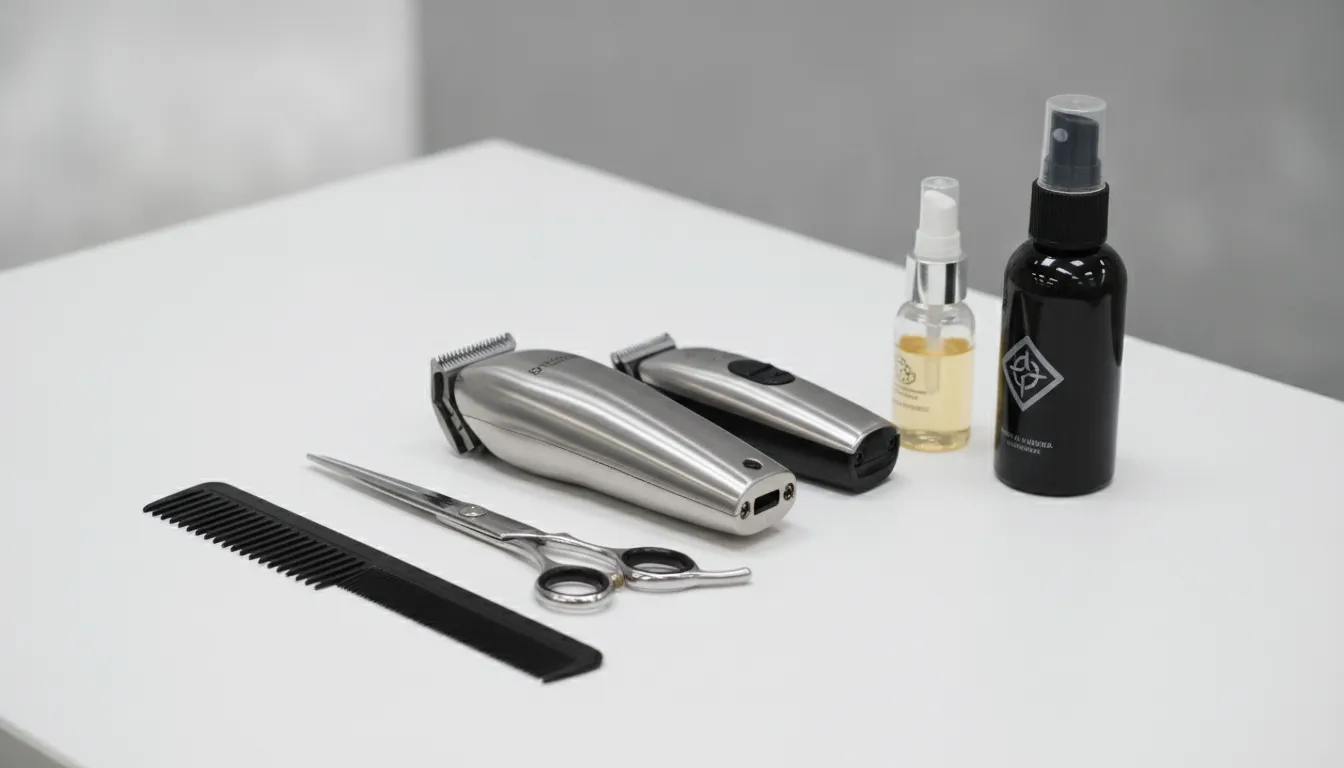
Local expertise is especially useful after the purchase. The Barber Company branded lineup includes a Barber Station Organizer, Professional Razor Holder – Ultra Exposed. Barber Works Continuous Mist Sprayer, Barber Works Styling Powder, and Barber Works Taper Comb – Hybrid Ceramic. These products can help fill practical station-level gaps while keeping the setup connected to a Las Vegas supplier that understands barber workflows. The store also offers blade and shear sharpening, clipper repair, zero gapping, and oiling. Giving owners a maintenance option when tools become dull, uneven, or difficult to keep in rotation. Review the available Las Vegas clipper repair support before a problem becomes downtime.
For replenishment, verify current terms before relying on delivery in your opening plan. The Barber Company may offer free local delivery on qualifying orders throughout the Las Vegas Valley, subject to current terms. Confirm coverage, timing, and order requirements through the Las Vegas local delivery page. If a category remains uncertain, use the contact page for The Barber Company or visit the storefront for a final physical walkthrough. HABLAMOS ESPAÑOL is available when bilingual support is useful.
Call The Barber Company at (702) 900-9972 to review your opening-day equipment list.
Frequently Asked Questions
What equipment does a barbershop need before opening?
Start with a safe, functional station for each barber: a professional clipper and trimmer, guards, combs, shears, cape, mirror, work surface, lighting, and storage. Add sanitation supplies, replacement consumables, waste containers, laundry support, reception tools, and the technology needed for booking and payments. Your service menu should determine specialized tools.
What are the must-have items for a barber shop?
The essentials are the items that keep every scheduled service moving without improvisation. Confirm cutting tools, blades, guards, disinfectant, clipper oil, neck strips, towels, capes, gloves where appropriate, first-aid supplies, and clean storage. Keep a backup for critical tools and a clear separation between clean supplies and used items.
How many clippers does each barber need?
There is no universal number. Each barber should have the tools required for the services they perform, plus a practical backup plan for a tool that needs cleaning, adjustment, or repair. Review the planned service menu, station workflow, charging or cord access, and replacement parts before deciding whether one primary clipper and one backup are sufficient.
What should I check on opening day?
Run one complete service simulation before the first client. Check that tools are clean and working, guards and attachments are available, capes and towels are stocked. Waste and sanitation stations are ready, booking and payment systems function, and each station can be reset efficiently. Walk the customer path from reception to checkout, then record anything that needs replenishment.
Ready to open with the right equipment in place?
A final equipment review can help you separate opening-day essentials from items you can add as your service menu grows. The Barber Company can help you plan a practical setup for a new Las Vegas barbershop. Whether you are sourcing for a professional shop or shopping for professional-grade tools at retail.
Call The Barber Company at (702) 900-9972 for wholesale and startup equipment support.
Visit the Las Vegas storefront for a hands-on walkthrough and direct guidance before opening day.
Shop: The Barber Company online store
Instagram: @barbercompanylv on Instagram
Address: 4700 Meadows Ln #110, Las Vegas, NV 89107
Phone: (702) 900-9972.