
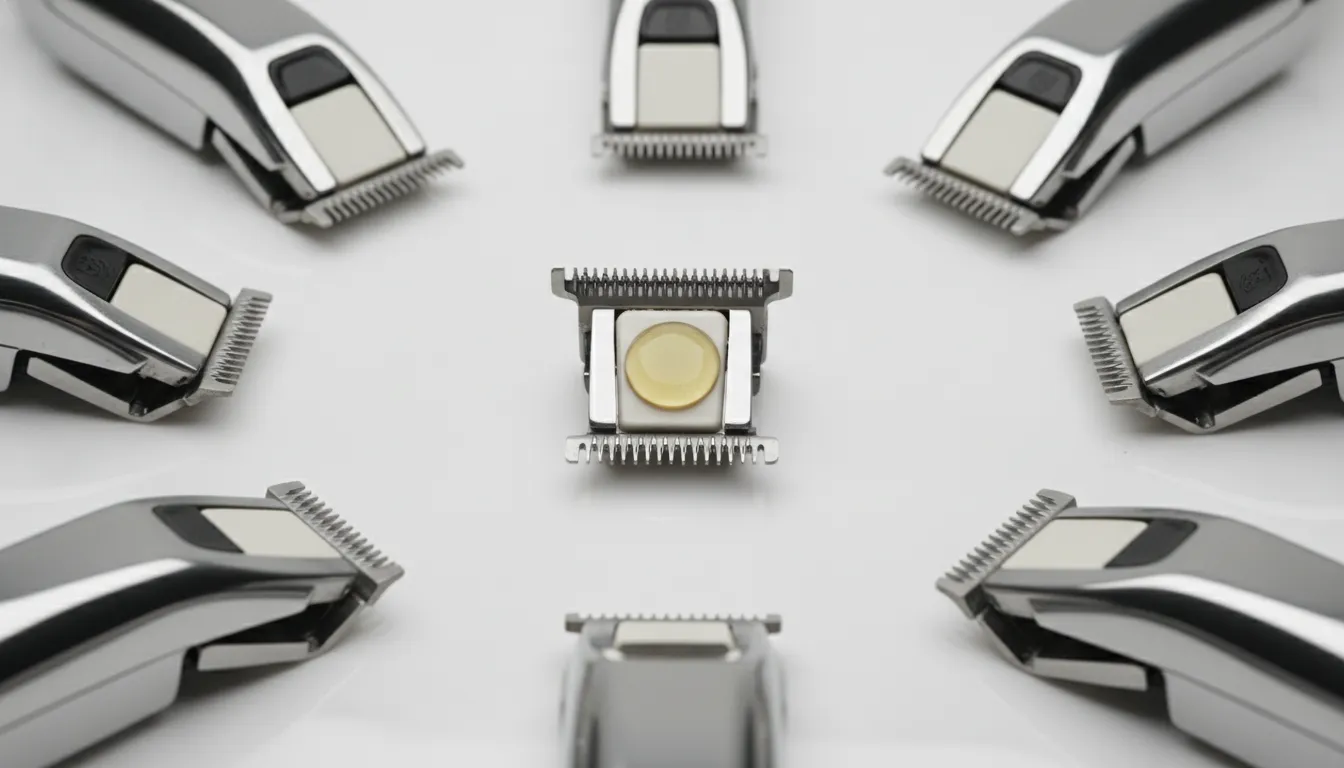
Rust on a clipper blade is more than a cosmetic defect. Orange spotting, a rough cutting edge, or hair pulling can signal that moisture and residue are already affecting the steel. For busy barbers, a few disciplined minutes after each service can protect blade performance, client comfort, and the life of the tool. Visit The Barber Company in Las Vegas for professional blade care products and maintenance support.
The most reliable way to learn how to prevent clipper blade rust is to control moisture at every stage: brush away hair and residue. Disinfect according to the product directions, dry the blade completely, then apply a thin coat of professional clipper oil before storing it in a clean, ventilated area. Stainless steel resists corrosion, but it still needs routine care. For the complete care system, see the barber clipper maintenance guide from The Barber Company.
Understanding why corrosion starts makes the warning signs easier to catch before a blade develops pitting or begins pulling through the cut. The first step is recognizing how humidity, sweat, product buildup, and trapped moisture interact with the blade surface.
Why Do Clipper Blades Rust and How Can You Spot the Early Signs?
To understand how to prevent clipper blade rust, start with the basic reaction: moisture and oxygen contact exposed steel and create oxidation. Humidity, sweat, residue, and incomplete drying all keep water against the blade longer, while routine cleaning. Complete drying, and proper lubrication interrupt the process before it damages the cutting edge.
Rust is a chemical change, not simply dirt on the blade. When water remains on steel, oxygen reacts with the metal and produces iron oxide, the orange-brown corrosion commonly called rust. A busy barbershop creates several opportunities for that reaction. Las Vegas may be dry outdoors, but indoor humidity, steam, perspiration from clients, and damp towels can still expose equipment to moisture. Hair products and disinfectant residue can hold that moisture against the blade surface instead of allowing it to evaporate.
Cleaning technique matters just as much as cleaning frequency. A blade that is brushed but stored wet can begin corroding overnight. Direct water contact can also reach areas that are difficult to dry, including the moving surfaces near the blade assembly. Research on steel instruments identifies retained moisture, inadequate drying, harsh cleaning exposure, and residue as contributors to corrosion. Stainless steel resists rust better than carbon steel, but it is not corrosion-proof when moisture or chemical exposure is continuous. This review of corrosion on stainless steel instruments explains why protective surfaces still require careful maintenance.
Early signs appear before serious damage
Inspect the blade under good light during your normal end-of-day routine. Small orange or red spots along the cutting edge are an early warning, especially where the fixed and moving blades meet. A clean edge should feel smooth when viewed and handled safely. Rust creates a rough, gritty texture, and advanced corrosion can form pits or small depressions in the metal.
Performance changes are another practical signal. The clipper may pull, snag, or hesitate instead of moving cleanly through hair. That added friction can make a precision tool feel rough and may increase motor drag on the sliding surfaces. Rust is therefore a performance and hygiene concern, not a cosmetic flaw. If you see spotting or feel roughness, stop using the blade on clients, clean and dry it. Then assess whether surface rust can be removed or whether sharpening or replacement is appropriate.
For the complete daily, weekly, and storage routine, follow The Barber Company’s barber clipper maintenance guide.
Best Storage Practices to Keep Clipper Blades Rust-Free
The best storage method keeps cleaned, lightly oiled blades dry while allowing air to circulate. Use open-air storage or a breathable leather case for blades used regularly. For blades stored between appointments or for longer periods, oil-treated paper and controlled humidity provide stronger protection than a sealed plastic sleeve.
Storage starts with the blade surface, not the container. Brush away hair and residue, disinfect according to the product directions, and dry every metal surface completely before putting the blade away. Moisture left under a guard, around the teeth, or along the cutting edge can remain trapped after the rest of the blade appears dry. Apply a thin film of professional clipper oil before storage. The oil forms a protective barrier that helps displace moisture and inhibit oxidation.
Choose breathable storage for blades in regular rotation
Blades used throughout the week should have ventilation. An open workstation organizer, clean drawer with airflow, or leather blade case is preferable to a tight plastic sleeve. Plastic does not breathe, so condensation or residual moisture can stay against the steel and create the conditions rust needs. Keep blades separated so air can reach the sides and so teeth do not scrape against other metal tools.
Do not store clipper blades beside a sink, steamer, humidifier, or in another damp area. A dry, temperature-stable cabinet is a better choice than a bathroom, basement, or any space where towels and cleaning equipment regularly release moisture. If your shop environment is humid, inspect stored blades periodically rather than assuming an oiled surface will remain protected indefinitely.
Wrap infrequently used blades in oil-treated paper
For spare blades or seasonal equipment, PetEdge recommends brushing oil onto a square of thick brown paper and wrapping the cleaned blade inside it. This oil-coated paper method gives the blade a breathable covering while maintaining contact with a light protective film. Label the outside with the blade type if needed, but keep any writing on the wrapper rather than on the blade or cutting surface.
For additional moisture control, place wrapped blades in an airtight container with a fresh desiccant pack. The pack absorbs residual humidity inside the container, while the oil-treated paper protects the steel directly. Replace the desiccant when it becomes saturated, and open the container occasionally to inspect for condensation, discoloration, or early pitting.
Pair storage with proper clipper blade lubrication so the oil film is applied evenly before the blade goes into rotation or long-term storage. A consistent dry, clean, lightly oiled setup is one of the simplest ways to prevent clipper blade rust without slowing down a busy station.
Which Oils and Sprays Actually Protect Against Blade Rust?
To prevent clipper blade rust, use a professional clipper oil or a purpose-built cooling spray after the blade is clean and completely dry. These products leave a light protective film that helps displace moisture without slowing the blade assembly. Wahl Professional recommends oiling before and after each use, not only when rust is visible.
Professional clipper oil is formulated for the operating conditions inside a clipper. Its light viscosity lets it reach the moving contact points without creating a thick, sticky layer that traps hair. Quality formulas also include anti-rust additives, helping the oil form a barrier against moisture on the cutting surfaces. Apply a small amount to the blade rails and other manufacturer-recommended contact points, then run the clipper briefly and wipe away excess.
For a busy station, a 5-in-1 cooling spray can be practical between clients. Andis Cool Care Plus is one example. The formula is designed to disinfect, lubricate, clean, cool, and help prevent rust in one application. It is useful when a blade needs quick maintenance during a full day of cutting, but it does not replace thorough cleaning, drying, or routine oiling. The product category’s disinfecting claims should always be used according to the label directions.
Professional clipper oil versus household alternatives.
| Product. | Best use. | Rust-prevention value. |
|---|---|---|
| Professional clipper oil. | Routine lubrication before and after use. | Light film, moisture resistance, and anti-rust support. |
| 5-in-1 cooling spray. | Fast between-client cooling and maintenance. | Combines cleaning, lubrication, disinfection, and rust prevention. |
| WD-40 or household oil. | Not recommended for clipper mechanisms. | Often too heavy and can interfere with or damage moving parts. |
WD-40 and general-purpose household oils are poor substitutes for clipper oil. Their heavier residue can attract hair and dust, migrate into areas where it does not belong, and affect the mechanism’s movement. A product that makes a hinge or door feel slick is not automatically suitable for a high-speed motor, drive system, and precision blade set.
Make oiling part of the service rhythm: apply it before use and again after use, once hair and residue have been brushed away. If you are unsure where to place oil or how much to use, follow this guide to proper clipper blade lubrication. More oil is not better. Excess should be wiped off so the blade stays lubricated without becoming a debris magnet.
How a Daily and Weekly Routine Helps to Prevent Clipper Blade Rust
A reliable cleaning routine removes hair, disinfectant residue, and moisture before they can remain against steel. Brush after every client, disinfect correctly, oil the moving surfaces, then perform a deeper blade wash at the end of the day. Consistent drying and storage are the practical foundation of preventing clipper blade rust.
- Brush away hair after every client. Use a clean blade brush to clear the teeth, hinge, screws, and housing immediately after the service. Hair and product residue can hold moisture against the metal, so this 30-second habit is more than cosmetic cleanup. It reduces buildup before it hardens and keeps the cutting edge visible for quick inspection.
- Apply disinfectant or cooling spray correctly. Spray a professional clipper disinfectant or cooling spray according to its label, directing it across the blade surface rather than flooding the motor housing. Allow the product to work, then remove excess liquid. If you use a Barbicide soak, do not exceed 10 minutes. Longer exposure can weaken metal and increase susceptibility to corrosion.
- Oil the blade and run the clipper for 10 seconds. Add two to three drops of professional clipper oil to the blade rails and other manufacturer-recommended contact points. Turn the clipper on for about 10 seconds so the oil distributes across the moving surfaces, then wipe away the excess. A thin protective film helps repel moisture without attracting unnecessary debris. For lubrication details, follow this guide to proper clipper blade lubrication.
- Deep-clean the blades at the end of the day. Remove detachable blades with the appropriate screwdriver and place them in a suitable blade-wash solution for five minutes. Keep the solution fresh and follow its product directions. Do not leave steel soaking overnight, and do not assume a longer soak provides better cleaning.
- Dry every surface completely. Rinse or wipe according to the wash instructions, then dry the blade, screws, hinge, and underside thoroughly. Pay close attention to seams and the cutting edge, where small amounts of retained moisture can remain overnight. Clean, dry metal is the goal before any storage oil is applied.
- Oil before storage. Finish with a light coat of professional clipper oil, then store the blade in a clean, dry location. Avoid sealing damp equipment inside a plastic sleeve or case. Use the routine clipper cleaning method for the daily workflow, and keep the professional clipper maintenance checklist at the station so weekly blade care does not get skipped.
Inspect the blade during each weekly cleaning. Orange spots, roughness, or early pitting should be addressed before they affect cutting performance. This routine also gives you a consistent opportunity to identify damaged teeth, loose hardware, or a blade that needs professional attention. Visit The Barber Company in Las Vegas for premium clipper oils, cooling sprays, and blade maintenance tools to support your daily care routine.
Removing Rust from Clipper Blades: When to Treat and When to Replace
You can usually remove light surface rust from clipper blades if the steel is still smooth and the moving parts operate normally. Start with a controlled cleaning treatment, then dry the blade completely and apply clipper oil. Pitting, deep corrosion, or rust between moving surfaces indicates a compromised blade that should be replaced.
First, remove the blade from the clipper and brush away loose hair and residue. Do not run a rusted blade through a client service. Rust creates a rough surface that can increase friction, reduce cutting efficiency, and undermine professional hygiene standards. If you need the broader cleaning sequence, follow this barber clipper maintenance guide before putting the blade back into rotation.
Use a blade wash for general surface rust
For light oxidation spread across the blade, use a product-formulated blade wash according to its label. A short soak can loosen residue and surface rust without aggressive abrasion. Keep the treatment controlled, and avoid extending disinfectant soaks beyond the product directions. Prolonged exposure to liquid cleaning agents can increase corrosion risk, especially when the blade is not dried immediately.
Try white vinegar for light rust
A white vinegar soak can help with a small amount of light surface rust. Place only the removable metal blade in a suitable container and inspect it frequently rather than leaving it unattended for an extended period. Lift the blade out, gently loosen the softened rust with a soft brush, and rinse away the residue. Avoid abrasive tools that can scratch the protective finish and create new sites for corrosion.
Lift isolated spots with baking soda paste
For a few orange spots, mix baking soda with a small amount of water to form a paste. Apply it to the affected area, work gently with a soft brush, and remove all residue afterward. This spot treatment is useful when the rest of the blade remains clean and smooth.
Drying and oiling are mandatory after every wet treatment. Pat the blade dry, then let it air-dry completely, including around the teeth and hinge area. Moisture left behind can restart oxidation overnight. Once fully dry, apply a thin coat of professional clipper oil to the blade and moving contact points. Store it in a dry location.
Replacement is the correct call when you can feel pits, see deep rust penetration, or find corrosion between moving parts that cleaning cannot reach. A blade with a rough cutting edge may pull hair, drag, or increase motor strain even after the orange color is removed. Do not confuse a clean appearance with restored precision. If the metal surface is damaged, replace the blade or have a qualified technician assess it.
When to Sharpen vs. Replace a Rusted Clipper Blade
A rusted clipper blade may need sharpening when corrosion is superficial and the cutting edge is simply dull. Replacement is safer when rust has created pits, reached moving surfaces, or left the blade unable to hold an edge. Separating those conditions protects cutting quality and helps prevent clipper blade rust from becoming a recurring equipment problem.
Start with the blade’s cutting performance, then inspect the metal under good light. Surface discoloration does not automatically mean the blade is beyond repair, but roughness, deformation, and corrosion between the moving parts are warning signs. Do not keep working through snagging or excessive drag, since friction can affect both the finish and the clipper’s mechanical performance.
Use this guide to identify the right course of action.
| Sharpen the blade. | Replace the blade. |
|---|---|
|
|
Each condition points to a clear maintenance path.
When sharpening is the right repair
Sharpening restores the cutting edges on a blade that has lost its bite through normal use or light surface corrosion. The blade should still sit flat, move freely, and maintain its shape. If it meets those conditions, professional sharpening can be more appropriate than replacing a structurally sound blade. A technician can also check alignment and identify damage that is difficult to see during a busy shop day.
When replacement or diagnostics is safer
Pitting leaves permanent voids in the cutting surface, while deep rust between moving parts can increase friction and compromise smooth operation. Those defects cannot be corrected by sharpening alone. If the clipper hesitates, stalls, overheats, or runs unevenly, the problem may involve the motor, drive system, switch, or another mechanical component rather than the blade. Professional diagnostics should come before continued use.
The Barber Company provides same-day blade sharpening, precision zero gapping from 0.1mm to 0.4mm, and professional diagnostics in Las Vegas. Bring the clipper or blade to the store for an evaluation, or review the professional blade maintenance and clipper repair service before deciding whether to sharpen or replace it.
Visit The Barber Company on Eastern Avenue in Las Vegas for same-day blade sharpening and professional diagnostics.
Anti-Rust Clipper Care Products Available at The Barber Company
Preventing clipper blade rust starts with the right supplies. The Barber Company stocks professional clipper oils, cooling sprays, blade wash solutions, and maintenance tools from trusted brands like Wahl Professional, Andis, and Gamma+. Visit the store or call (702) 900-9972 for product-specific advice, and remember: HABLAMOS ESPANOL.
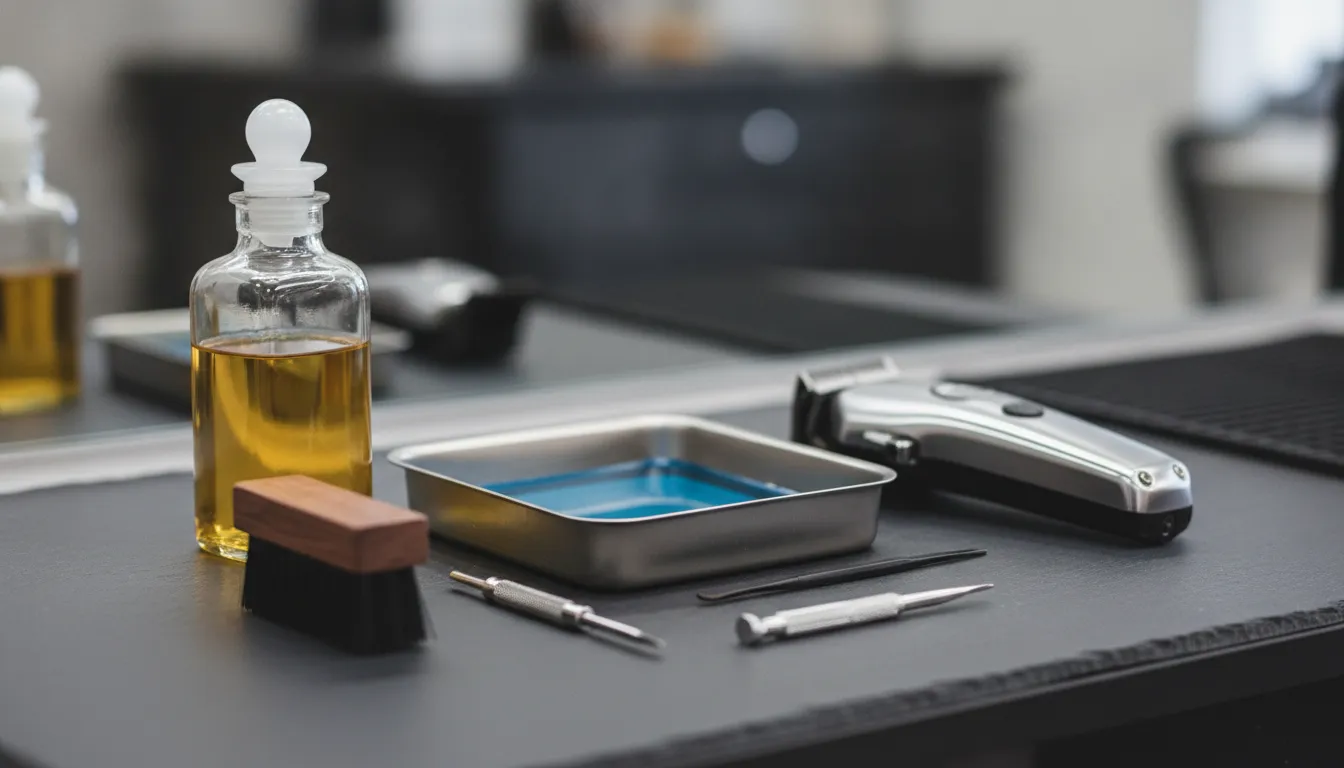
The Barber Company carries premium clipper oils formulated for high-speed barber tools. Wahl clipper oil is a trusted choice for daily lubrication, while Andis Cool Care Plus provides fast between-client cooling and cleaning. For shops that prefer a single-step option, 5-in-1 sprays combine cleaning, cooling, lubrication, and rust protection in one application. The selection at The Barber Company covers both routine maintenance needs and specialized solutions for Las Vegas barbershops.
Blade wash solutions are also in stock for deeper cleaning. A dedicated blade soak removes residue that routine brushing leaves behind, and it prepares the metal for proper oiling afterward. The Barber Company also stocks the Barber Station Organizer, which keeps blades, oils, and tools within easy reach while improving air circulation around stored equipment.
Bringing the right products into your daily station routine removes the guesswork from rust prevention. A consistent process with professional-grade supplies will protect your blades and keep your clippers performing at their best through every service. To explore the full range or get personalized product recommendations, visit The Barber Company at 401 N Eastern Ave, Las Vegas, or call (702) 900-9972.
Frequently Asked Questions
Is WD-40 good for clipper blades?
No. WD-40 and household oils are not formulated for precision clipper blades and may leave a heavy residue that interferes with the blade assembly. Use a thin professional clipper oil or a product designed to clean, lubricate, cool, and protect against rust. Apply it to a clean, fully dry blade rather than using oil to cover hair or residue.
Is rust on clippers bad?
Yes. Rust creates a rough surface that increases friction, reduces cutting efficiency, and can contribute to hair pulling or snagging. It is also a hygiene concern in a professional shop. Inspect the cutting edge and sliding surfaces regularly. Light surface rust may be treatable, but pitting means the metal has been compromised and the blade should be replaced.
How do you keep clipper blades from rusting?
Brush away hair after every client, clean residue according to the product instructions, dry the blade completely, and apply professional clipper oil. Oiling before and after use is recommended as a best-practice routine for high-frequency barbering. Store the oiled blade in a dry location, with a desiccant pack when additional moisture control is needed. Follow the proper clipper blade lubrication routine for detailed application points.
What is the best way to clean and store clipper blades to prevent rust?
Start by brushing off loose hair, then use an appropriate blade wash or disinfectant and follow its label directions. Dry every surface immediately, because moisture left after cleaning promotes corrosion. For extended storage, wrap a clean, oiled blade in oil-treated paper and keep it in a dry area. Avoid sealing damp blades in plastic, which can trap moisture against the steel.
Can I use disinfectant to clean my blades?
Yes, but disinfectant does not replace drying and lubrication. Follow the product label and do not leave metal blades or shears submerged in Barbicide for more than 10 minutes at a time. Prolonged exposure increases corrosion risk. After the required contact time, remove the blade, dry it completely, and apply clipper oil. PetEdge explains the 10-minute soaking limit.
Ready to Keep Your Clipper Blades Working Reliably?
Consistent storage and cleaning help protect your blades, but professional products and skilled service can make ongoing maintenance more straightforward. Visit The Barber Company in Las Vegas for blade care products, professional sharpening, and clipper repair support. To discuss the right next step for your equipment, call The Barber Company at (702) 900-9972.