
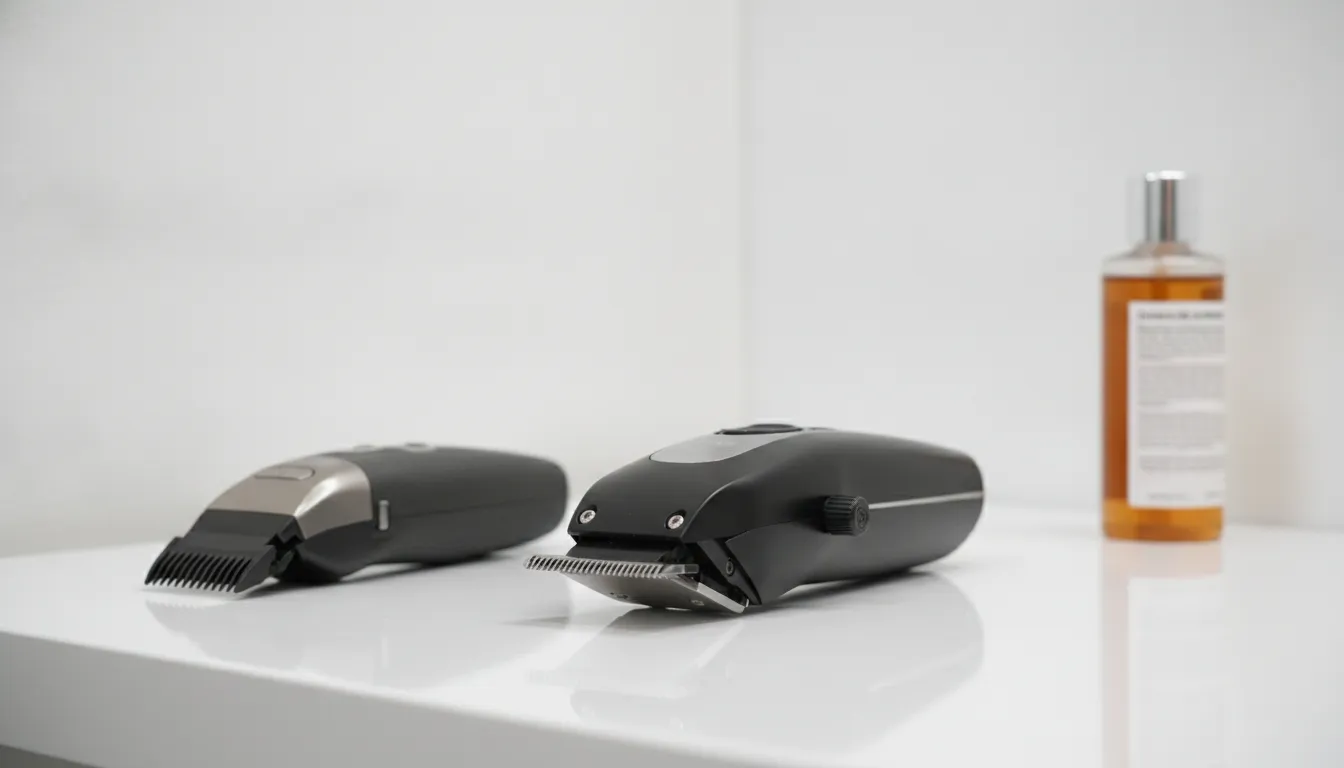
A trimmer can make the difference between a clean lineup and a finish that needs correcting. For working barbers, the right tool is not simply the one with the most power or the lowest advertised price. It must match the service, hold its edge, feel controlled in the hand, and remain dependable through a full day of detailing.
The best trimmers for barbers are selected by intended use, blade type, motor performance, runtime, ergonomics, replacement-part access, and maintenance support. A tool that is reliable and properly maintained helps reduce snagging, uneven cuts, and dissatisfied clients. So the buying decision should account for the entire ownership experience, not just the motor or blade.
This guide compares the technical choices behind outlining, edge-ups, beard detailing, and finishing, then connects those choices to brands and support available from The Barber Company. If you are also comparing tools for bulk cutting and fading, review the professional barber clipper buying guide before narrowing your trimmer setup.
What Makes the Best Trimmers for Barbers Different From Standard Grooming Tools?
The best trimmers for barbers are selected around repeated professional services, not occasional home grooming. A working tool must match the barber’s cutting tasks, blade requirements, motor behavior, cordless runtime, hand comfort, replacement-part access, and maintenance support. Those details affect consistency at the chair and the condition of the client’s finished cut.
A standard grooming tool may be adequate for personal touch-ups. A barber trimmer has a more demanding job: outlining, refining edges, detailing facial hair, and completing a finish across multiple clients. The right choice starts with the service, then works backward through the tool’s specifications. The Barber Company’s selection guidance for professional barber tools follows this practical approach instead of naming one universal winner.
Purpose-built for repeatable barbering services
Intended service is the first distinction. A trimmer used mainly for crisp lineups may need a different blade configuration and handling feel than one used for beard detailing or finishing around a fade. That does not make one design universally superior. It means the tool should be evaluated against the work it performs most often.
Blade type and exposure deserve close attention because they influence how the tool approaches an outline or detail. Motor performance matters when a barber needs controlled, consistent cutting through a full schedule. Runtime matters for cordless workflows, particularly when a tool is used continuously and charging interruptions would disrupt the sequence of services.
Ergonomics and serviceability are part of performance
Comfort is not a cosmetic feature. A trimmer’s shape, balance, grip, and operating feel affect how confidently a barber can make precise passes over a long day. Compare those factors in the hand, not only on a product page. A tool that feels manageable during a short test may still be a poor fit if its balance creates fatigue during repeated detailing.
Serviceability also separates professional equipment from a disposable grooming purchase. Before choosing, confirm whether replacement parts and maintenance support are available for the model. Cleaning, oiling, blade adjustment, sharpening, and repair all belong in the ownership decision. A trimmer that can be maintained is easier to keep consistent than one treated as replaceable.
The reason is practical: The Barber Company notes that unreliable or poorly maintained tools can cause snagging, uneven cuts, and dissatisfied clients. Dull blades and neglected mechanisms can turn a straightforward finishing service into a correction job. For a broader framework covering the decision process, review this guide on how to choose barber tools, then compare each trimmer against your actual services, schedule, and maintenance plan.
Which Trimmer Specs Matter Most for Edge-Ups and Lineups?
For edge-ups and lineups, the right trimmer is defined by how predictably it creates a sharp line, not by one headline specification. Start with the blade and intended service, then evaluate motor behavior, cordless workflow, adjustment range, balance, and support. A close-cutting tool still has to remain controllable against different hair textures and skin conditions.
Blade design determines how much control you have at the line. A T-blade gives a wider cutting surface for outlining and can also suit dry shaving, fading, and larger cleanup passes. The Andis T-Outliner is documented for all three of those tasks, making it a practical choice when one trimmer needs to move between hairlines, beard edges, and finishing work. A narrower or more compact blade can be easier to maneuver around the ears, mustache, and small beard details.
Blade exposure is the next decision. More exposure can help an experienced barber make a crisp line or remove bulk quickly, but it also demands a steady hand and careful pressure. For close work, an adjustable blade gives you more control over the final position. The Wahl Detailer, for example, is documented with an adjustable T-wide blade for extremely close trimming. That does not make it universally superior, but it gives the tool a clear task fit for tight outlines and close finishing.
Match motor behavior to the service
Motor output should be judged by consistency under load, not by a speed number alone. A trimmer that maintains its cutting action through dense areas can reduce repeated passes, while a tool that changes noticeably through a service can make line work less predictable. The StyleCraft Instinct is documented with an Intuitive Vector Motor and 9,500 strokes per minute. Those specifications are useful comparison points, but they should be considered alongside blade feel, control, and the barber’s technique.
Cordless operation also changes the workflow. Check the documented runtime, charging method, and whether the tool’s weight and balance remain comfortable during a full day of repeated detailing. A cordless trimmer is especially useful for mobile work or busy stations where a cord can interfere with movement. Balance matters just as much as total weight: a tool that sits naturally in the hand helps you control wrist angle and pressure around the temple, neckline, and beard.
Finally, account for adjustment and serviceability before buying. Zero gapping should be precise and appropriate for the service, with safeguards against unnecessary skin irritation. Replacement blades, parts, oiling, and repair support can matter more over time than a small difference in motor speed. The Barber Company offers Andis trimmers for outlining and finishing, Wahl professional trimmers, and StyleCraft cordless trimmers, so you can compare the tool’s documented design with the work you actually perform.
Best Trimmers for Barbers by Use Case
The best trimmer depends on the service it performs most often. T-blade tools are built around outlining and broad edge work, while close-detailing models prioritize blade reach and adjustment. Beard and hairline work may call for a more approachable finishing tool, and a cordless all-around trimmer can simplify a busy station. Use the comparison below to match the tool’s documented design to your workflow.
| T-blade. | Andis T-Outliner. |
|---|---|
| Close detailing. | Wahl Detailer. |
| Beard and hairlines. | BaByliss Pro FX3. |
| Cordless motor. | StyleCraft Instinct. |
Use this as a shortlist, not a ranking.
Confirm the exact model and blade setup before buying.
T-blade outlining and close detailing
For classic outlines, the Andis T-Outliner is the most directly aligned choice in this comparison because The Barber Company documents it for outlining, dry shaving, and fading. That range makes it useful when one trimmer needs to move from a crisp perimeter to close finishing during the same service. It should still be adjusted and handled according to the barber’s preferred blade exposure and client comfort.
Close detailing calls for a different emphasis. The Wahl Detailer is documented with an adjustable T-wide blade for extremely close trimming. That makes it a logical candidate for sharp corners, compact design work, and finishing areas where control matters more than broad coverage. An adjustable blade also gives the barber room to set up the tool for the desired closeness instead of treating every client and service the same.
Beard finishing and cordless station work
The BaByliss Pro FX3 is described as an entry-level trimmer for beards and hairlines. That positioning can suit a station that regularly handles beard shaping, sideburn cleanup, and hairline finishing without needing the same tool to serve as the primary outlining instrument for every cut. The cordless Lo-Pro FX Gold offers a separate advantage: cordless operation for barbers who want fewer cable restrictions around the chair or who work in mobile setups.
For a high-output cordless option, the StyleCraft Instinct is documented at 9,500 strokes per minute with an Intuitive Vector Motor. That specification describes the motor system, not a universal ranking, so compare it with the way you work. Check balance, grip, blade preference, charging routine, replacement-part access, and maintenance support before choosing. The Barber Company specifically recommends weighing intended service, blade type, motor performance, runtime, ergonomics, replacement parts, and support together. A technically fast tool is only useful when it remains comfortable and reliable through a full schedule.
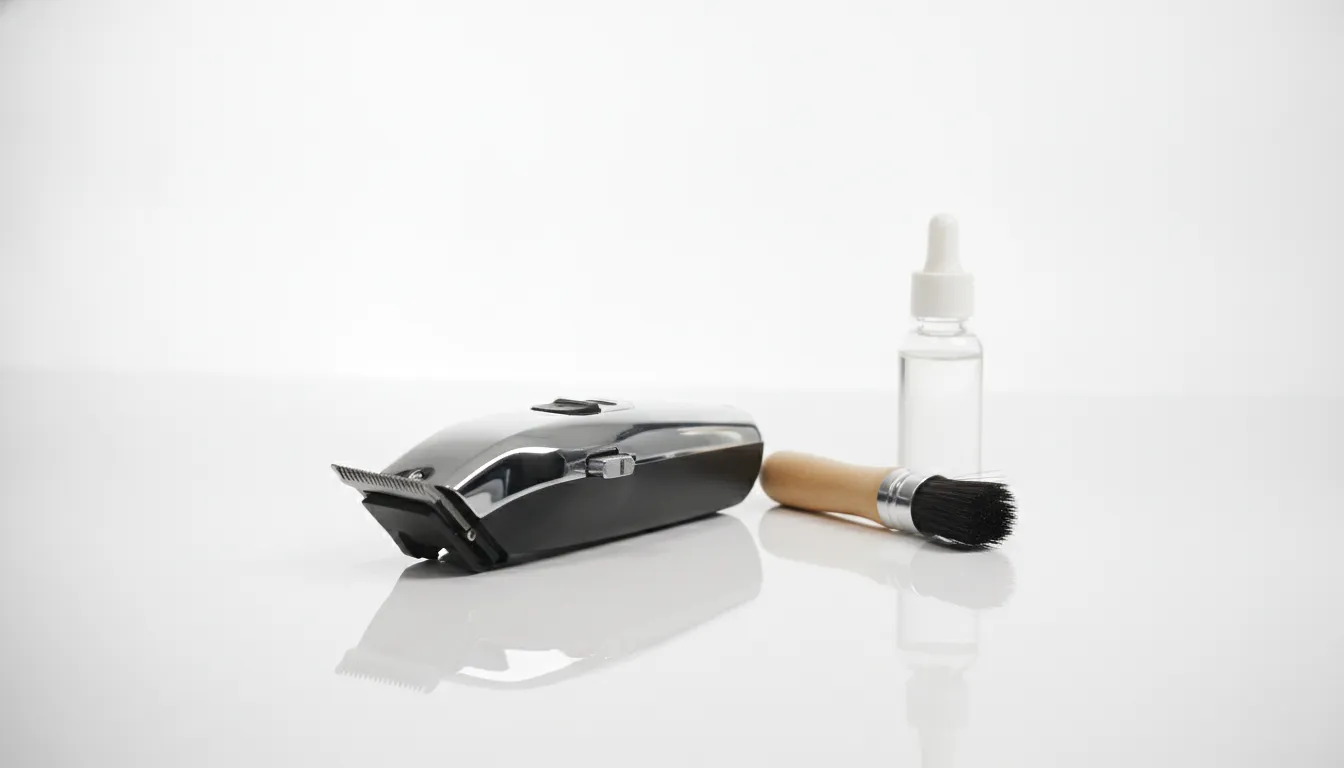
Finally, treat maintenance as part of the use-case decision. Dull or poorly maintained blades can contribute to snagging and uneven cuts. If a trimmer needs professional attention, The Barber Company offers a professional blade sharpening service in Las Vegas. That support can matter as much as the initial specification when the tool is used every day.
How Should You Compare Professional Trimmer Brands?
There is no single professional trimmer that fits every station. Compare each brand by the work it supports, then verify blade design, motor behavior, cordless runtime, ergonomics, replacement parts, and service access. A tool that excels at crisp outlines may not be the same tool you prefer for beard detailing or all-day finishing.
For the larger equipment decision, pair this trimmer comparison with the Best Barber Clippers and Product Buying Guides for Professionals. That pillar provides the broader clipper context, while this guide focuses on the edge-up, lineup, and detailing tool that finishes the service.
Gamma+ professional trimmers and clippers are worth considering when customization and cordless workflow matter. The Barber Company documents the Gamma+ Boosted with a three-hour runtime and three customizable levers. That combination may suit a barber who wants to adjust cutting behavior at the station. Although the product specification should be matched to the exact service and model you plan to perform.
Wahl professional trimmers and Detailer tools offer a clear use-case reference for close work. The Wahl Detailer is documented with an adjustable T-wide blade for extremely close trimming, making blade exposure and outline control the key comparison points. If your workflow includes frequent edge-ups, inspect how the blade adjusts, how it feels against the skin, and whether the tool remains comfortable during repeated detailing.
Andis trimmers and T-Outliner tools are documented for outlining, dry shaving, and fading. That makes the brand relevant when one trimmer must move between hairlines, facial detailing, and finishing work. Instead of treating the product name as a guarantee, compare the blade profile, motor response, balance, and the type of lines you create most often.
BaByliss Pro cordless trimmers cover different entry points and workflows. The FX3 is described as an entry-level trimmer for beards and hairlines, while the Lo-Pro FX Gold Clipper and Trimmer is documented as cordless. Compare those documented roles with your station needs, particularly if portability, beard work, or hairline finishing is more important than a broader tool setup.
StyleCraft cordless trimmers are a strong technical comparison when motor output is central to your decision. The StyleCraft Instinct is documented with an Intuitive Vector Motor and 9,500 strokes per minute. Use that specification as one data point, not as proof of a universal winner. Consider whether its response, sound, vibration, and handling fit your technique and service pace.
Finally, evaluate support after the purchase. Ask about replacement blades, parts, zero gapping, repairs, and sharpening before choosing a daily tool. The Barber Company serves both industry professionals and the public in Las Vegas, with knowledgeable guidance and bilingual service. Comparing documented use cases with accessible technical support will produce a more useful decision than ranking brands by reputation alone.
Trimmer Maintenance That Protects Cut Quality
Consistent edge-ups depend on more than choosing the right motor or blade. A maintenance routine keeps the cutting surface clean, lubricated, aligned, and ready for the next client. Clean loose hair first, disinfect correctly, oil the moving parts, and address dullness or mechanical issues before they show up as snagging or uneven lines.
Clean before you disinfect
Start by removing hair and visible debris from the blade and housing with the tool switched off. This step is not optional. Connecticut salon infection-control guidance states that all items must be cleaned before they are disinfected. Once the surface is clean, use an EPA-registered disinfectant labeled bactericidal, virucidal, and fungicidal, following the product label for application and contact time. Read the Connecticut salon sanitation guidance for the cited cleaning and disinfection requirements.
Electrical tools also require an appropriate application method. California barbering regulations specify that disinfectants for electrical tools should be in spray or wipe form and carry the manufacturer’s EPA registration label. Do not soak a powered trimmer or allow liquid to enter the motor, charging port, or controls. Keep sanitation separate from lubrication, since disinfectant residue can affect how oil moves across the blade.
Oil the blade and monitor the cutting surface
After cleaning and disinfecting, let the blade dry as directed, then apply clipper oil to the manufacturer’s recommended points. A small amount is enough. Proper oiling reduces friction and helps prevent the client’s hair from snagging, a maintenance benefit documented by The Barber Company. Excess oil can attract hair and debris, so wipe away the surplus before returning the trimmer to service.
Inspect the teeth and blade alignment during this routine. A blade that pulls, leaves inconsistent lines, or feels rough against the skin may need adjustment, sharpening, or replacement rather than more oil. Zero gapping can improve closeness, but it must be performed accurately. An overly aggressive setting can increase the risk of discomfort or irritation, especially during detailed work.
Know when to sharpen, repair, or replace
Sharpening is a practical option when the blade is structurally sound but no longer cuts cleanly. The Barber Company provides a professional blade sharpening service in Las Vegas and notes that proper care helps blades last longer. If the problem involves the motor, cord, or damaged components, use a qualified repair service instead of continuing to force the tool through a busy schedule. Available support includes motor repair, blade replacement, and cord replacement, with service experience across major professional brands. See the barber shop clipper repair service for the documented options.
Replace a trimmer when its blade, battery, or motor no longer supports safe, consistent work after appropriate service. That decision protects cut quality and client experience. A well-maintained tool should support the workflow you bought it for, whether that is outlining, beard detailing, dry shaving, or finishing hairlines.
Buying and Ownership Support in Las Vegas
The right trimmer is easier to choose when you can compare it with knowledgeable help, confirm current availability, and plan for maintenance after the sale. In Las Vegas, The Barber Company supports both working professionals and the public, with wholesale access, local delivery, bilingual service, and technical help for keeping tools ready for daily use.
Buying locally gives you more than a transaction. You can explain whether the trimmer will handle edge-ups, beard detailing, dry shaving, or finishing, then weigh blade design, motor behavior, cordless workflow, and balance against that service. The Barber Company carries authorized professional brands including Gamma+, Wahl, BaByliss Pro, StyleCraft, and Andis, so customers can compare established tool lines through a barber-focused supplier. That matters when a trimmer needs to fit the hand, station, and pace of a real shop.
Professional access without closing the door to the public
Licensed barbers, shop owners, mobile professionals, chain locations, and barber schools can ask about wholesale barber supplies in Las Vegas and professional purchasing options. Wholesale pricing is documented for industry professionals, making the local store useful when you need multiple units or a consistent replenishment process. Contact the store directly for current availability and account details rather than relying on an outdated listing.
Retail customers do not need proof of professional status to shop. That makes the same professional-grade buying guidance available to home groomers and learners who want a capable trimmer without operating a barbershop. The team also offers bilingual service, including “HABLAMOS ESPAÑOL,” helping more Las Vegas customers ask precise questions before choosing a tool.
Local delivery and technical support after purchase
For qualifying local orders, The Barber Company documents free delivery across Las Vegas, Henderson, and the valley. Review the free local delivery details for the current coverage and order requirements. This can be useful when a shop needs supplies without interrupting its schedule, but delivery should complement, not replace, selecting the correct blade and motor for the work.
Ownership support continues when performance changes. The Barber Company provides blade sharpening, clipper repair, zero gapping, oiling, cleaning, and sanitizing support. Those services can address dull cutting edges, snagging, blade replacement, motor issues, or a trimmer that needs a more precise setup. Call (702) 900-9972 or visit the store to discuss a purchase, replacement parts, or technical service for your equipment.
Frequently Asked Questions
What should a barber look for in a professional trimmer?
Start with the work you perform most often: outlining, edge-ups, dry shaving, beard detailing, or finishing hairlines. Then compare the blade shape and exposure, motor behavior, cordless workflow, balance, grip, and how easily the tool can be cleaned, oiled, adjusted, or serviced. A T-blade can be useful for outlining and broad detailing, while a compact trimmer may feel more controlled around beards and tight corners.
Are T-blade trimmers better for edge-ups?
A T-blade is often a practical choice for edge-ups because its wider cutting surface can cover more of the line and support outlining work. The Andis T-Outliner is documented for outlining, dry shaving, and fading, while the Wahl Detailer is listed with an adjustable T-wide blade for extremely close trimming. The best choice still depends on your preferred blade exposure and hand control.
How often should professional trimmers be cleaned and disinfected?
Clean the tool after each service according to the manufacturer instructions, removing hair and residue before applying disinfectant. Connecticut salon guidance states that tools must be cleaned before disinfection and calls for an EPA-registered disinfectant labeled bactericidal, virucidal, and fungicidal. For electrical tools, California guidance specifies spray or wipe-form disinfectants with the appropriate EPA label. Read the Connecticut salon infection-control guidance.
When does a trimmer need sharpening or professional service?
Service is worth considering when the blade pulls hair, leaves inconsistent lines, develops excess heat or noise, or no longer delivers the finish you expect after proper cleaning and oiling. Professional sharpening can restore the cutting edge, while repair or zero-gapping service may address mechanical or adjustment issues. Have the tool inspected before making aggressive blade changes that could affect comfort or cutting control.
Ready to Choose Your Professional Trimmer?
The right trimmer should match your daily services, preferred blade setup, and maintenance routine. For practical guidance on professional models, current availability, wholesale options, or technical support, call The Barber Company at (702) 900-9972. A specialist can help you compare options for edge-ups, detailing, and finishing with your workflow in mind.
Visit The Barber Company in Las Vegas for professional barber equipment and grooming products. You can also follow The Barber Company on Instagram for local updates.
The Barber Company
4700 Meadows Ln #110, Las Vegas, NV 89107
(702) 900-9972