
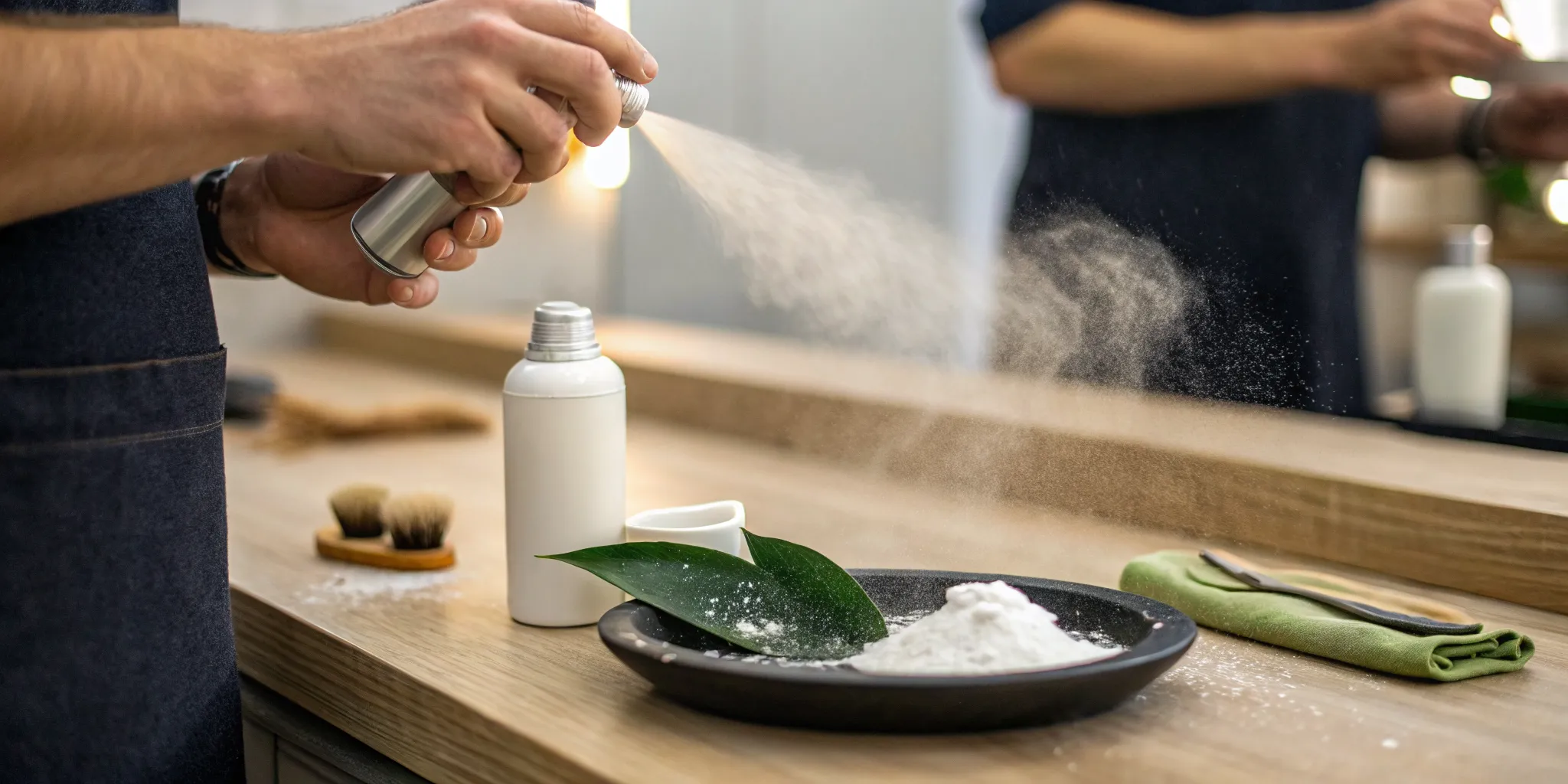
Nothing builds client trust faster than showing you’re listening to their needs. When a client mentions they have sensitive skin, it’s a critical moment. Do you skip the finishing powder altogether, or do you have a product you know is safe for them? The wrong choice can lead to itchiness and irritation, undermining the quality of your work. The right choice, however, reinforces your expertise and care. While many powders can be too harsh, the right talc powder for sensitive skin barber s should have in their toolkit can soothe, absorb moisture, and reduce friction without causing a reaction. This article will help you identify those products and understand when and how to use them for a flawless, comfortable finish.
Key Takeaways
- Understand talc’s dual nature: While traditional talc powder excels at absorbing moisture and reducing friction, it can also cause dryness or irritation on sensitive skin and carries historical safety concerns.
- Assess before you apply: Talc is not a one-size-fits-all product; avoid using it on clients with acne-prone, reactive, or very dry skin to prevent potential irritation and clogged pores.
- Choose quality products or offer alternatives: When using talc, select hypoallergenic and paraben-free formulas from trusted brands. For sensitive or concerned clients, having talc-free options like cornstarch or arrowroot powder ready is a mark of a great barber.
What Is Barber’s Talc Powder?
If you’ve ever sat in a barber’s chair, you’re probably familiar with that final, soft dusting of powder. That’s barber’s talc powder, a staple in shops for generations. At its core, barber talc is a finely milled powder traditionally used after a haircut or shave. Its main job is to absorb any lingering moisture from the skin, which leaves your client feeling fresh and dry. It also works wonders for soothing the skin, helping to calm any redness or irritation that can pop up after a close shave.
Beyond just comfort, it serves a very practical purpose. The powder helps sweep away those tiny, stray hairs that cling to the neck and shoulders, preventing that itchy feeling under a shirt collar. Think of it as the final cleanup step that provides a clean, polished finish. While it’s a classic tool, understanding exactly what it is and how it works is key, especially when you’re working with clients who have sensitive skin. The traditional powder is made from a specific mineral, but its effects on the skin can vary. This is why it’s so important to know what you’re working with. Before we get into the benefits and potential concerns, let’s look at what this powder is actually made of and why sensitive skin requires a more thoughtful approach.
How It’s Made
The name gives a big clue: barber’s talc is made from talc, a natural mineral found in the earth. Composed of magnesium, silicon, and oxygen, talc is mined from rock deposits and then milled into the fine, silky powder you find in the shaker bottle on your station. The reason it’s so popular in cosmetics and grooming products is because it’s one of the softest minerals on the planet. This inherent softness is what gives the powder its smooth, slippery feel, allowing it to glide over the skin without being abrasive. Its mineral structure is also what makes it so effective at absorbing moisture and oil.
Why Sensitive Skin Needs Special Care
When it comes to sensitive skin, talc powder can be a bit of a paradox. On one hand, it creates a thin, protective layer that helps reduce friction from a shirt collar, which is great for preventing further irritation after a shave. On the other hand, its powerful moisture-absorbing properties can sometimes be too much for skin that is already dry or prone to sensitivity. For some individuals, this can lead to increased dryness, redness, or even rashes. This doesn’t mean you have to ditch talc entirely, but it does mean you need to be mindful of your client’s skin type and choose your products carefully.
Benefits of Using Talc on Sensitive Skin
When you’re working with sensitive skin, every product choice matters. Barber’s talc powder is more than just a traditional finishing touch; it offers practical benefits that can make a real difference in your client’s comfort and the quality of your service. From managing moisture to calming redness, incorporating the right talc powder can help you address common skin concerns head-on, leaving your clients feeling fresh, comfortable, and confident in your care.
Absorbs Moisture and Reduces Friction
One of the most well-known benefits of talc is its incredible ability to absorb moisture. For clients with sensitive skin, this is a game-changer. After a shave, excess moisture can lead to irritation, but a light dusting of talc helps keep the skin dry and cool. This also reduces friction between the skin and a shirt collar, which is a common cause of redness and discomfort, especially on the neck. Using a quality aftershave powder provides a soothing effect that helps prevent the irritation caused by sweat and rubbing throughout the day.
Soothes Post-Shave Irritation
Nothing ruins a great haircut or shave like itchy, irritated skin. Talc powder is excellent for calming the skin immediately after grooming. It creates a fine, protective barrier that minimizes redness and alleviates that all-too-common post-shave itch. This is especially helpful for clients who are prone to sensitivity around the neck and jawline. A high-quality men’s barber talc can be the perfect final step to ensure your client leaves the chair feeling soothed and comfortable, not red and blotchy.
Creates a Lightweight, Clean Finish
Beyond its functional benefits, talc powder provides a superior finish. It leaves the skin feeling exceptionally soft, smooth, and fresh without any heavy or greasy residue. Clients often appreciate this clean, lightweight feeling as the final touch to their service. While different products have different scents, the primary goal of a good barber talc is to deliver that polished, refreshing sensation. It signals the end of the service and leaves your client’s skin looking and feeling its best.
Is Talc Powder Safe?
The question of talc powder’s safety is a big one, and if you’re a professional barber, it’s one you should be able to answer. With so much information out there, it’s easy to get confused. The main concerns boil down to three key areas: potential asbestos contamination, skin irritation, and the risks of inhalation. Understanding these issues will help you make informed decisions for your clients and your own health. Let’s break down what the science and official guidelines say so you can feel confident about the products you use in your shop.
The Asbestos Concern
The biggest safety issue with talc stems from how it’s mined. Talc is a mineral that, in its natural form, can be found in the earth near asbestos, a known carcinogen. The risk is that during the mining process, talc can become contaminated with asbestos fibers. If these contaminated products are used, inhaling the asbestos particles can lead to serious health problems, including lung cancer and mesothelioma. While modern cosmetic-grade talc is supposed to be asbestos-free, the history of contamination has created lasting concern. This is why many people now question whether to use talc products at all.
Potential for Irritation and Clogged Pores
Even when talc is pure and asbestos-free, it can still cause issues for certain skin types. Talc is highly absorbent, which is great for soaking up excess moisture and oil. However, for clients with dry or sensitive skin, this same quality can strip away necessary moisture, leading to dryness and irritation. The fine particles can also settle into pores. For clients who are already prone to breakouts or have reactive skin, this can potentially clog pores and worsen acne. It’s important to assess your client’s skin type before reaching for talc, as it might not be the best fit for everyone.
Inhalation and Respiratory Risks
Beyond the asbestos risk, the simple act of breathing in fine talc powder can be problematic. The tiny particles can irritate the respiratory system. This is a particular concern for anyone with existing breathing issues like asthma, but it’s also a consideration for your own long-term health as a barber who is exposed to it daily. When you dust a client’s neck, the powder becomes airborne in your workspace. Using it in a well-ventilated area and applying it carefully can help minimize how much powder you and your clients breathe in.
What Official Guidelines Say
So, what do the regulators say? In the United States, the Food and Drug Administration (FDA) is responsible for overseeing cosmetics. While the FDA considers it unacceptable for cosmetic talc to contain asbestos, it does not officially ban talc. Instead, the agency relies on cosmetic manufacturers to perform their own safety tests and ensure their talc supply is free from asbestos. This puts the responsibility on the companies making the products. As a professional, this means you need to choose brands you trust to source and test their ingredients responsibly.
When to Avoid Using Talc Powder
Talc powder is a staple in most barbershops, but it’s not always the right choice for every client who sits in your chair. Knowing when to reach for an alternative is key to providing the best service, especially for clients with delicate or troubled skin. Paying attention to your client’s skin type and listening to their concerns will help you decide if talc is the best option or if you should skip it for that session. This simple step shows you care about their comfort and helps build lasting trust.
For Acne-Prone or Reactive Skin
If your client mentions they have acne-prone skin, you might want to pause before applying talc. Some sources suggest that talc can block pores, which can trap oil and bacteria, potentially leading to new breakouts or making existing acne worse. For clients with very dry or reactive skin, talc’s moisture-absorbing properties can sometimes be too much of a good thing. It can strip away necessary oils, leaving the skin feeling drier and more prone to irritation, redness, or itchiness. Always ask your clients about their skin sensitivities before you begin a service; it’s a small question that can make a big difference.
Choosing a Talc-Free Alternative
When you decide talc isn’t the right fit, having a backup plan is essential. Luckily, there are several excellent talc-free alternatives that offer similar benefits without the potential downsides. Powders made from cornstarch, arrowroot, rice powder, or kaolin clay are all fantastic at absorbing moisture and reducing friction. Many of these alternatives are gentle and well-suited for sensitive skin. Just be mindful of any added ingredients. While some products have a light citrus scent that can be a nice touch, it’s always smart to have a fragrance-free option available for clients who are sensitive to smells or prefer unscented products.
How to Choose a Talc Powder for Sensitive Skin
When you’re working with clients who have sensitive skin, the products you choose matter just as much as your technique. Selecting the right talc powder isn’t just about grabbing the first bottle you see; it’s about making a conscious choice to protect your client’s skin from irritation. A little label-reading goes a long way in preventing redness, bumps, and discomfort after a cut or shave. Think of it as the final, thoughtful touch that sets your service apart.
The good news is that many brands formulate their products with skin sensitivities in mind. Your job is to become an expert at spotting them. Before you add a powder to your station, get in the habit of checking the label for a few key indicators of quality and safety. Look for terms like “hypoallergenic,” “fragrance-free,” and “dermatologist-tested.” These aren’t just marketing buzzwords; they are clues that the product was created to be gentle. By prioritizing powders with these features, you show your clients that you’re invested in their comfort from start to finish.
Look for Hypoallergenic and Fragrance-Free Formulas
First things first, scan the label for “hypoallergenic” and “fragrance-free.” A hypoallergenic product is specifically formulated to minimize the potential for an allergic reaction, which is a must for anyone with reactive skin. Fragrances, both synthetic and natural, are some of the most common culprits behind skin irritation, so a fragrance-free formula is always a safer bet. Some powders can also block pores if not washed off properly, potentially leading to breakouts. Choosing a powder designed to be gentle helps reduce this risk and keeps your client’s skin clear and calm long after they leave your chair.
Check for Paraben-Free and Cruelty-Free Labels
Next, look for powders that are free of parabens. Parabens are preservatives used to extend the shelf life of many cosmetic products, but they can cause irritation for some people with sensitive skin. Opting for a paraben-free formula is a simple step to further reduce the chance of a negative reaction. While you’re at it, consider looking for a cruelty-free certification. This label indicates that the product wasn’t tested on animals. Choosing cruelty-free products is an ethical practice that many clients appreciate and actively look for in the brands they support, helping you build a stronger connection with them.
Prioritize Dermatologist-Tested Products
A “dermatologist-tested” label is another great sign that a product is suitable for sensitive skin. This means the formula has been reviewed by a skin care expert to check for potential irritants and ensure it’s safe for application. While it isn’t an absolute guarantee against irritation for every single person, it provides a strong layer of assurance that you’re using a professionally vetted product. Given the concerns around talc, choosing a barber talc that has been tested gives you and your client peace of mind, confirming the product is high-quality and made with safety as a top priority.
How to Apply Talc Powder to Sensitive Skin
Applying talc powder might seem straightforward, but the right technique can make all the difference between a soothed client and an irritated one. For sensitive skin, a gentle and precise application is key to getting all the benefits without any of the drawbacks. It’s about using the right amount in the right way to absorb moisture and reduce friction, leaving the skin feeling clean and comfortable. Let’s walk through the best way to apply it and what common mistakes to sidestep to ensure your clients leave feeling their best.
A Step-by-Step Guide
Always start with clean, dry skin. After a shave or a haircut, gently pat the area with a clean towel to remove any excess moisture. Next, you have two great options for application. You can either sprinkle a small amount of powder into your palm, rub your hands together, and then lightly pat it onto the freshly shaved area. Alternatively, using a soft, clean brush (like a barber duster or a large makeup brush) allows for a very light and even distribution. This method is especially good for clients with highly reactive skin, as it minimizes direct friction. The goal is a barely-there dusting, not a heavy coating.
Application Mistakes to Avoid
The most common mistake is using too much powder. While talc is excellent at absorbing moisture, applying it too heavily can backfire, especially on clients with already dry or sensitive skin. Over-application can lead to more dryness, redness, or irritation. Another issue arises if the powder isn’t properly cleansed later. Left on the skin, talc can clog pores and potentially lead to breakouts, which is the last thing a client wants after a fresh cut or shave. Advise your clients to gently wash the area later in the day to keep their skin clear and healthy. A light touch is always the best approach.
Talc vs. Talc-Free Alternatives
If you or your clients are wary of talc, you’re not out of options. Plenty of natural, plant-based powders offer similar benefits for absorbing moisture and reducing friction without the associated concerns. Getting familiar with these alternatives allows you to offer a personalized service that puts every client’s comfort and safety first. Here are a few of the most popular and effective talc-free powders to consider stocking in your shop.
Cornstarch
You probably have this in your kitchen pantry, but it’s also a workhorse in cosmetics. Cornstarch is a simple, effective, and widely available alternative to talc. It’s excellent at soaking up moisture, which makes it perfect for that post-shave dusting or even as a dry shampoo for a quick touch-up. Because it’s so gentle, it’s a reliable choice for clients who are concerned about irritation. Its fine texture leaves the skin feeling smooth and dry without any heavy residue, providing a clean finish that both you and your client will appreciate.
Arrowroot Powder
Arrowroot powder is another fantastic plant-based option that feels incredibly light and silky on the skin. It’s a star at absorbing excess oil and moisture, making it ideal for clients who tend to have oilier skin or who want to keep shine at bay throughout the day. This powder is milled to be extremely fine, so it won’t feel cakey or settle into lines. It helps create a smooth surface, reducing friction from the collar and leaving the skin feeling soft and comfortable long after the client has left your chair.
Kaolin Clay
Don’t let the word “clay” fool you; this isn’t the heavy stuff you’d use for a face mask. Kaolin clay is a very mild, gentle clay that’s wonderful for controlling oil and shine. It’s a go-to ingredient in many foundations and setting powders for this very reason. For your barbershop, it’s a great choice for clients with sensitive or combination skin, as it absorbs oil without over-drying. It helps provide a clean, matte finish after a shave or haircut, ensuring your client looks and feels fresh.
Rice Powder
Used for centuries in beauty routines, rice powder is a time-tested secret for great skin. It’s incredibly gentle and lightweight, making it a superb choice for clients with even the most sensitive skin. Rice powder is known for its ability to absorb oil effectively and reduce shine, all while feeling virtually weightless. It can also help soothe the skin and provides a soft, smooth finish. This is an excellent, reliable alternative for any client, especially those who prefer products with a long history of cosmetic use.
How to Choose the Best Alternative for Your Client
When a client expresses concerns about talc or has a history of skin sensitivity, offering an alternative shows you’re attentive to their needs. The best way to ensure a product is a good fit is to perform a small patch test on a discreet area of skin, like behind the ear or on the inner arm, before applying it to the face or neck. Ask your client about any known allergies and explain the benefits of the alternative you’re suggesting. Keeping a few different talc-free options on hand lets you customize the service and build trust with every person who sits in your chair.
Find the Right Powder for Your Clients
The products you use at your station are a direct reflection of your standards. Choosing the right finishing powder isn’t just about function; it’s about providing a complete, high-quality experience for every client. This final touch can be the difference between a good haircut and a great one, reinforcing their decision to trust you with their grooming. Making a thoughtful choice shows you care about the details, which builds loyalty and keeps clients coming back.
Balancing Price and Quality
When stocking your shop, it’s tempting to buy the largest, most affordable container of powder available. But saving a few dollars on a bulk product might cost you in client satisfaction. A higher-quality powder, often made with fine minerals and a light, clean scent, enhances the post-shave experience. It feels soothing and lightweight, turning a routine step into a moment of luxury. This is especially critical for clients with sensitive skin, as a cheap powder can cause the very irritation you’re trying to prevent. Investing in a quality, paraben-free formula is an investment in your client’s comfort and your reputation.
Frequently Asked Questions
So, is it safe to use talc powder in my shop or not? The safety of talc powder really comes down to its source and quality. The primary concern is potential contamination with asbestos, which can happen during the mining process. To be safe, the most important step you can take is to choose products from reputable brands that are transparent about their sourcing and explicitly state their talc is asbestos-free. It’s less about avoiding all talc and more about being selective with the products you trust.
If a talc powder is sold in stores, doesn’t that mean it’s asbestos-free? Not necessarily. In the United States, the FDA does not require pre-market approval for cosmetic products like talc powder. Instead, it holds manufacturers responsible for ensuring their own products are safe and properly labeled. This means you can’t assume a product is asbestos-free just because it’s on a shelf. Your best bet is to research the brand and choose one that you trust to perform rigorous safety testing.
My client has acne-prone skin. Should I skip the powder completely? For clients with acne-prone or very reactive skin, it’s a smart move to be cautious. Because talc is so fine, it has the potential to settle into pores, which could trap oil and lead to breakouts for some people. Instead of skipping a finishing powder altogether, you can switch to a talc-free alternative. Powders made from kaolin clay or arrowroot are great for absorbing oil without the same risk of clogging pores.
What’s the most important thing to look for when choosing a powder for sensitive skin? If you only have a moment to check a label, look for two key phrases: “hypoallergenic” and “fragrance-free.” A hypoallergenic formula is designed to minimize the risk of an allergic reaction. Fragrances, even natural ones, are a very common cause of skin irritation. Choosing a product that has neither is the quickest way to ensure you’re picking a gentle option for your clients with sensitive skin.
Are the talc-free alternatives like cornstarch just as good? Yes, absolutely. Plant-based alternatives like cornstarch, arrowroot powder, and rice powder are excellent at absorbing moisture and reducing friction, which are the main jobs of a finishing powder. They provide that same clean, smooth, and dry feeling that clients love. Having a high-quality, talc-free option on hand is a great way to serve clients who are concerned about talc or simply have very sensitive skin.