
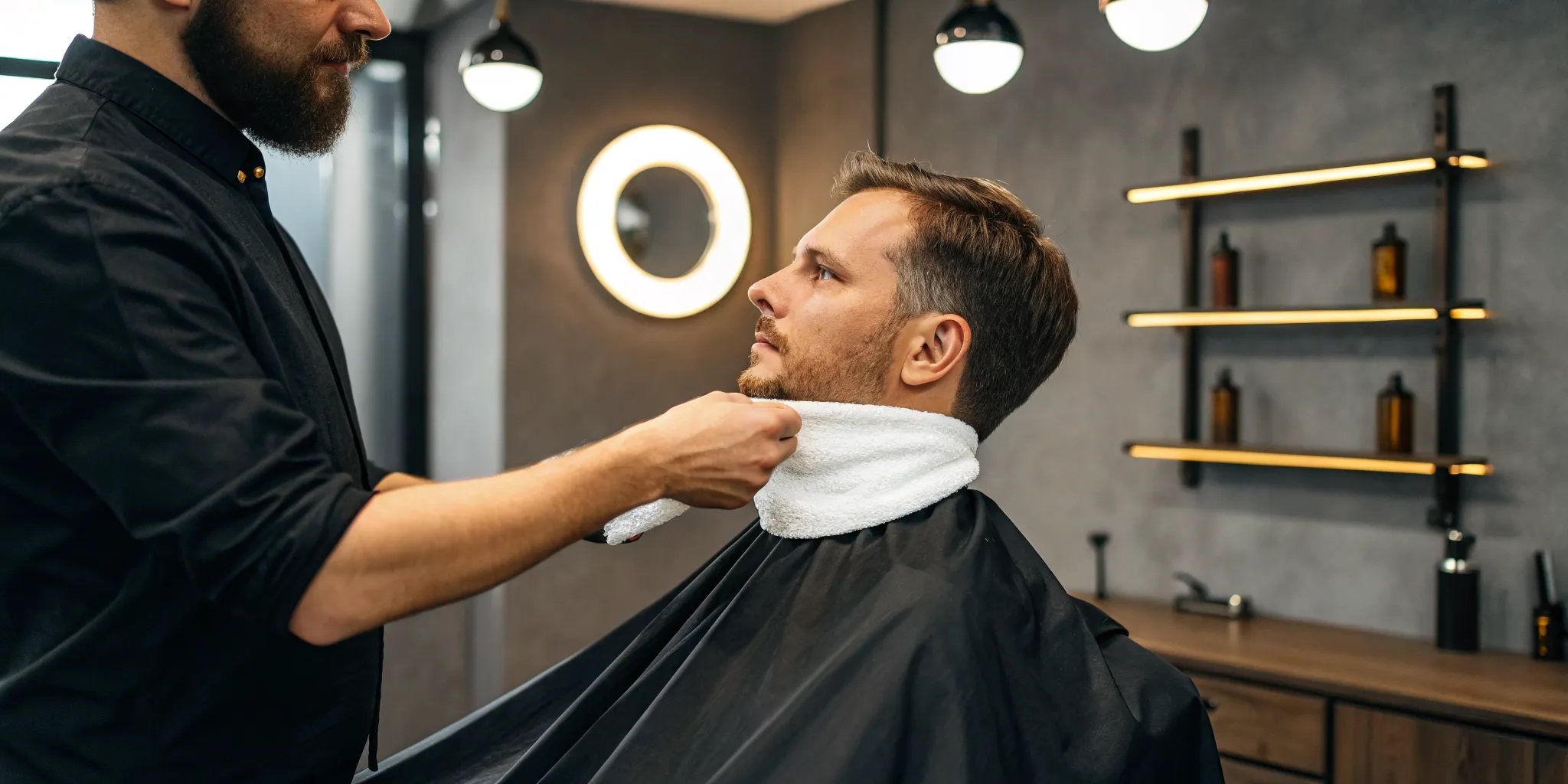
Let’s be direct: no client enjoys the feeling of tiny, itchy hair clippings sliding down their neck. It’s an uncomfortable distraction that can undermine an otherwise perfect haircut. The barber neck strip is your first and best line of defense against this common problem. Using one correctly is a simple, low-cost way to improve your service and show clients you care about the details. This guide breaks down the entire process in simple, actionable steps. We’ll explore how to choose the best strips for your shop and, most importantly, provide a clear, step-by-step tutorial on how to use barber neck strips for a flawless, comfortable client experience.
Key Takeaways
- Make Hygiene Non-Negotiable: Using a fresh neck strip for every client is the foundation of a professional service. This simple, single-use item is your best tool for preventing cross-contamination and showing clients you value their safety and well-being.
- Perfect Your Technique for a Flawless Barrier: The right application makes all the difference. Gently stretch the strip for a snug fit, secure the adhesive, and always fold the top edge over the cape to create a complete seal that keeps loose hair and moisture off your client’s skin.
- Communicate to Build Client Trust: Turn a simple step into a trust-building moment by asking clients about skin sensitivities before you begin. Explaining the purpose of the strip if they ask reinforces your expertise and shows you prioritize their comfort from start to finish.
What Are Barber Neck Strips?
Let’s start with the basics. Barber neck strips are those stretchy, self-adhesive paper strips you wrap around a client’s neck right before draping the cape. Think of them as the first line of defense in providing a clean, comfortable, and professional haircut. Their main job is to act as a hygienic barrier between your client’s skin and the cape, catching stray hairs and preventing any product from touching their neck. It’s a small detail, but it makes a huge difference in the client experience and is a standard practice in any top-tier barbershop.
Why Neck Strips Are a Must-Have
So, why are these simple paper strips such a big deal? It all comes down to hygiene and client comfort. During a cut, a neck strip is your best tool for protecting a client from all the things you don’t want on their skin, like loose hair clippings, water from your spray bottle, or even hair color. The strip creates a clean barrier between their neck and any potential irritants. This simple step makes every haircut more hygienic and professional.
Beyond just cleanliness, barber paper neck strips make the experience much more comfortable. The paper absorbs sweat and prevents the sometimes-scratchy edge of the cape from rubbing against the client’s neck. It’s a small touch that shows you care about their comfort from start to finish, turning a good haircut into a great one.
Neck Strips vs. No Neck Strips: What’s the Difference?
The difference between using a neck strip and skipping it is immediately obvious to a client, even if they can’t put their finger on why. Using a fresh strip for every person is a clear signal of your professionalism and your commitment to hygiene. It creates a clean, single-use layer between the client’s neck and the reusable cape, which is something every client appreciates.
Think about it from their perspective. Without a strip, they feel every stray hair falling down their back and the plastic or nylon of the cape directly on their skin. With a strip, the experience is cleaner, more comfortable, and feels more sanitary. It’s a fundamental practice that builds trust and shows you’re dedicated to providing a top-quality, safe service every single time.
How to Choose the Right Barber Neck Strips
Not all neck strips are made the same, and picking the right one can make a surprising difference in your service. Think of them as the first line of defense, creating a barrier between your client’s skin and the cape, stray hairs, and chemicals. Your choice here affects client comfort and the cleanliness of your work, so it pays to be selective. When you find a strip that works for you, it streamlines your process and shows clients you care about the details.
Material and Texture
The ideal neck strip feels soft to the touch but is strong enough to withstand a little stretching. You want a material that acts as an effective force field against itchy hair clippings and drips without feeling like sandpaper on your client’s neck. Most strips are made from a crepe-like paper that is both absorbent and durable. When you’re shopping, look for descriptions that mention high-quality, stretchable paper. A cheap, flimsy strip can tear easily during application or become uncomfortable for the client, which reflects poorly on your attention to detail.
Adhesive Quality and Moisture Absorption
A neck strip is only as good as its adhesive. The blue sticky tabs at the ends need to hold firm throughout the entire service, even if the client sweats or you use a water spray bottle. A weak adhesive can cause the strip to come loose, breaking that essential hygienic barrier. This is a critical part of providing a safe and clean experience for every person in your chair. A quality strip will also absorb minor moisture, keeping the client’s neck dry and comfortable while preventing any hair color or chemicals from seeping underneath.
Size and Fit
Getting the right fit is a balancing act. The strip needs to be snug enough to create a seal but not so tight that it’s uncomfortable. Look for strips with good elasticity, as this allows you to get a custom fit for every client. A quality strip will stretch to wrap securely around the neck without tearing. According to some pros, the perfect barber neck strip fit involves the right amount of stretch and overlap before you secure the cape. Pre-cut strips are standard, but their stretchability is what makes them versatile enough for different neck sizes.
Top Brands to Know
When you’re starting out, it helps to know which brands the pros trust. SANEK is a name you’ll hear often; they are credited with inventing the neck strip and are still known for their strength and flexibility. Their strips are a reliable choice for barbers who want a consistently high-quality product. Another excellent option is Percu, which offers strips that are comfortable, hygienic, and water-resistant. Brands like Percu are great because they provide dependable protection for a wide range of salon and barbershop services. Trying a couple of trusted brands can help you find your personal favorite.
How to Apply a Neck Strip: Step-by-Step
Applying a neck strip seems simple, but doing it perfectly is a mark of a true professional. It’s a small detail that makes a huge difference in client comfort and safety. Getting this technique down shows your clients you care about their experience from start to finish. Let’s walk through the process step-by-step to ensure you’re creating a perfect, comfortable seal every single time.
Step 1: Prep Your Hands and Cape
Before you even reach for a neck strip, start with the basics: hygiene and preparation. First, make sure you follow your shop’s standard hand hygiene protocols. This is non-negotiable for client safety and builds trust. Once your hands are clean, have the cape ready to go. Draping the cape after the strip is in place can cause it to shift or tear. By having the cape ready to secure immediately, you create a smoother workflow and a more professional experience for the person in your chair. This simple prep work sets the stage for a flawless application and shows your commitment to a clean, organized service.
Step 2: Measure and Tear the Strip
Next, grab your dispenser and pull out a single neck strip. You’ll want to tear off a piece that’s long enough to comfortably circle your client’s neck with a bit of overlap. Most professional neck paper strips are perforated, making it easy to get a clean tear without any fuss. If your strips aren’t perforated, just a quick, sharp tug will do the trick. The goal is to have enough length to stretch the strip slightly and secure the adhesive ends together in the front. A strip that’s too short won’t provide a proper seal, while one that’s too long can be clumsy to handle. You’ll get a feel for the right length with practice.
Step 3: Position the Strip
With your strip ready, it’s time for placement. Stand behind your client and find the center of the neck strip. Place it at the back of their neck, right below the hairline. This positioning is key to catching all those tiny hairs during the cut. Now, holding both ends, gently stretch the strip as you bring it forward to the front of the neck. This slight stretch is what activates the material’s flexibility and helps it conform perfectly to the neck’s shape. Overlap the two ends at the front, pressing the adhesive patches together to create a secure, yet comfortable, fit.
Step 4: Secure the Cape
Now that the neck strip is in place, you can secure the cape. Gently place the cape over the client’s shoulders, bringing the collar around their neck. It’s important not to pull the cape too tight against the strip, as this can be uncomfortable. Fasten the cape so it’s secure but not constricting. The final, and most critical, part of this step is to fold the top edge of the neck strip down over the cape’s collar. This action creates the essential barrier that prevents hair, water, and chemicals from getting onto your client’s skin and clothes. This fold is what makes the entire system work, turning the strip and cape into a single, protective unit.
Step 5: Check for a Comfortable Fit
Before you pick up your tools, take a moment for a final quality check. Look around the entire neckline to make sure there are no gaps or twists in the strip. A twisted strip can feel uncomfortable and create an incomplete seal. Most importantly, communicate with your client. A simple question like, “How does that feel? Not too tight?” goes a long way in ensuring their comfort. This gives them a chance to tell you if an adjustment is needed and shows that you prioritize their experience. Making this quick check a habit demonstrates your attention to detail and care, solidifying your reputation as a thoughtful and professional stylist or barber.
How to Remove a Neck Strip Correctly
Finishing a great haircut means paying attention to the small details, and that includes how you remove the neck strip. A sloppy removal can leave your client with stray hairs down their shirt, undermining the clean, sharp look you just created. It’s the final touchpoint of the cutting process, so making it smooth and clean is key to a professional service. Taking a moment to remove the strip correctly shows your commitment to client comfort and hygiene from start to finish. It’s a simple step, but it makes a big difference in how your client feels as they leave your chair.
The Proper Removal Technique
Once the haircut is complete, your job isn’t quite done. The final step is a clean removal. First, use a neck duster or soft brush to sweep any loose hair off the cape and the strip itself. This prevents clippings from falling onto your client’s skin or clothes. Next, gently unfasten the cape. Carefully peel the neck strip away from the skin, pulling it forward and away from the client. As you remove it, fold the strip inward on itself to trap any remaining hairs inside. This simple fold is a pro move that keeps your station and your client tidy. Immediately dispose of the used strip to maintain a clean shop workflow.
What to Avoid During Removal
The biggest mistake is rushing. Never rip the neck strip off quickly; it can be startling and uncomfortable for the client. Remember that client comfort is paramount throughout the entire service, not just during the cut. Another thing to avoid is letting the hair you’ve contained spill out. Be mindful as you fold the strip and walk it to the trash. This is also where your initial client consultation pays off. If you noted that a client has sensitive skin, be extra gentle during removal to prevent any irritation. Avoiding these common mistakes ensures your client leaves feeling cared for, not just cleaned up.
Does Cape Type Affect Your Neck Strip Technique?
Yes, the type of cape you use absolutely influences your technique. While the primary job of a barber neck strip is always to create a clean, comfortable layer between the client’s neck and the cape, how you secure that cape makes all the difference. The goal is to get a snug fit without turning the cape into a tourniquet. You want the cape to be secure, but you don’t want it to add extra tension to the strip you just carefully applied.
Think of it this way: you set the perfect tension when you apply the neck strip. The cape’s only job is to stay put without messing up your work. Both snap and Velcro capes can get the job done, but they require slightly different handling to achieve that perfect, comfortable barrier. Getting it right shows your attention to detail and keeps your clients feeling cared for. It’s a small step that has a big impact on the overall service experience, ensuring everything is hygienic and professional from start to finish. The tension of the strip is what matters for comfort and creating a proper seal, so letting the cape interfere with that can ruin an otherwise perfect prep.
Snap Capes vs. Velcro Capes
Snap and Velcro capes each have their own personality. Snap capes offer predetermined sizes with their button closures. This can be great for consistency, but sometimes the ideal fit for your client is right between two snaps. The trick is to choose a snap that holds the cape securely without pulling on the neck strip. If you go too tight, you’ll constrict the client’s neck.
Velcro capes, on the other hand, give you a more customized, adjustable fit. You can slide them to the exact right spot. The downside? Velcro can catch on hair or the strip itself if you aren’t careful, and it can lose its grip over time. Neither style is inherently better; it just comes down to knowing your equipment and being mindful as you secure the cape.
Adjust Your Technique for Different Capes
Your technique should adapt to the cape you’re using. The key is to remember that the cape secures itself; it shouldn’t be responsible for tightening the neck strip. With a snap cape, it’s often best to start with a slightly looser snap to be safe. You can always move to a tighter one if needed, but starting too tight is an instant comfort killer. Check the fit by asking your client or sliding a finger underneath.
For a Velcro cape, use one hand to hold the neck strip in place as you wrap the collar. This prevents the Velcro from snagging the paper. Smoothly press the closure down, ensuring it’s firm but not adding any new pressure. The final tension should come from the strip itself, not the cape.
Common Neck Strip Mistakes to Avoid
Even seasoned pros can fall into bad habits. When it comes to neck strips, a few common slip-ups can make the difference between a happy client and a messy, uncomfortable experience. The good news is that these mistakes are easy to correct. Paying attention to these small details shows your commitment to quality and ensures every client leaves your chair feeling clean, comfortable, and cared for. Let’s walk through the most frequent errors and how you can steer clear of them for a flawless service every time.
Applying Too Tight or Too Loose
Finding the right tension is key. A neck strip that’s too loose is practically useless, as it won’t create the necessary seal to block hair clippings from sliding down your client’s neck. On the other hand, a strip that’s too tight is a recipe for discomfort. As one barber puts it, you want it to be “nice and tight,” but you should never “choke out the client.” The goal is a snug fit that feels secure without being restrictive. Always check in with your client to make sure they’re comfortable before you start cutting. This simple step helps you maintain a high standard of client care.
Reusing Strips
This one is a hard and fast rule: never reuse a neck strip. Each strip is a single-use item, and using a fresh one for every client is a non-negotiable part of maintaining a sanitary workspace. Reusing a strip is unhygienic and puts your clients at risk of skin irritation or infection. It also undermines your professionalism. Top shops know that using fresh supplies is a core part of their promise to provide a safe and clean experience. Adhering to proper barbershop hygiene isn’t just about following rules; it’s about building trust and showing respect for your clients’ well-being.
Skipping the Strip
In a busy shop, it can be tempting to skip small steps, but the neck strip isn’t one of them. These simple paper bands are the “unsung heroes” of the barbershop, creating a crucial barrier between your client’s skin and all the stray hairs, dyes, and styling products. Forgoing a neck strip almost guarantees your client will leave with an itchy neck and tiny hairs stuck to their clothes. It’s an uncomfortable experience that reflects poorly on your service. Using neck strips is a small, inexpensive habit that significantly improves the quality of your haircut service and keeps your clients happy.
Rushing the Process
Taking a few extra seconds to apply a neck strip correctly can save you from a lot of trouble later. Rushing often leads to a poor fit, an uncomfortable client, or a strip that fails mid-cut. A proper shop workflow includes prepping your station before the client even sits down. Before you reach for a strip, make sure your hands are clean and the cape is ready to go. This methodical approach prevents you from fumbling with the dispenser or applying the strip incorrectly. Slowing down for this crucial step ensures a smooth, professional service from start to finish and reinforces a calm, controlled environment in your shop.
Neck Strip Hygiene: Best Practices
Great service goes beyond a sharp haircut; it’s about creating an experience where clients feel safe and cared for. Excellent hygiene is the foundation of that trust. When you prioritize cleanliness, you’re not just following state board regulations, you’re showing respect for your clients and your craft. Using a neck strip correctly is a simple but powerful way to demonstrate your commitment to a professional, sanitary service. Let’s walk through the best practices that separate the amateurs from the pros.
Check for Skin Sensitivities
Before you even reach for a neck strip, start with a simple question: “Do you have any skin sensitivities or allergies I should know about?” Some clients may react to the adhesive on standard neck strips. Asking first shows you’re attentive and puts their comfort first. It’s a small step that can prevent an uncomfortable reaction and build major trust. For this reason, it’s smart to keep a roll of adhesive-free, self-adhering neck strips at your station. Being prepared with an alternative shows true professionalism and ensures every client can have a comfortable, irritation-free experience in your chair.
Use a Fresh Strip for Every Client
This is the golden rule of neck strip hygiene: one strip, one client, no exceptions. Never, ever reuse a neck strip. Each strip is a single-use item designed to provide a sanitary barrier between the client’s skin and the cape. Reusing one would transfer sweat, skin cells, and germs, completely defeating its purpose. Think of it just like using a fresh razor blade or a clean towel. It’s a non-negotiable part of your professional sanitation protocol that protects your clients and your reputation. Make it a habit to grab a new strip for every single person who sits in your chair and dispose of it immediately after the service.
Dispose of Strips Properly
Your hygiene commitment doesn’t end when the cape comes off. Proper disposal is key to maintaining a clean workspace. Once you’ve finished the cut, gently brush any loose hair off the cape and the neck strip. Then, carefully peel the strip away from the client’s neck. As you remove it, fold it in on itself to trap all the small, itchy hairs inside. This simple move prevents hair from falling onto your client’s clothes, the floor, or your station. Immediately toss the folded strip into a covered trash bin. This quick, clean follow-through keeps your area tidy and ready for the next client.
Store Your Neck Strips Correctly
How you store your neck strips is just as important as how you use them. To be effective, they must be kept clean and dry until the moment of use. Storing them in a dedicated, enclosed dispenser is the best way to protect them from contamination. Keep the dispenser away from your wet station, product overspray, and hair clippings. A neck strip that’s been sitting out on your counter is no longer sanitary. By keeping your supply of strips properly stored, you ensure that every strip you pull is fresh, clean, and ready to provide the hygienic barrier your clients deserve.
Keep Your Workstation Clean
A fresh neck strip is only one part of a larger system of cleanliness. Your clients notice everything, and a spotless environment tells them they’re in capable hands. Your commitment to hygiene should be visible across your entire station. This means using a clean cape for every client, disinfecting your tools (like combs, clippers, and shears) between services, and maintaining a tidy work surface. When a client sees you pull a fresh neck strip from a clean dispenser at a well-kept station, it reinforces their confidence in your work. These practices work together to build client trust and elevate the quality of your service.
Should You Talk to Clients About Neck Strips?
Talking to your clients about the tools and techniques you use might seem like an extra step, but it’s one of the best ways to build a lasting relationship. When you explain the why behind your process, you’re not just cutting hair; you’re creating a professional, trust-based experience. A simple conversation about something like a neck strip can show clients you prioritize their comfort and safety. It demystifies the process and reinforces your expertise, turning a routine service into a premium one. This small gesture communicates that every part of their visit has been carefully considered, from the moment they sit in your chair to the final brush-off.
This open communication also helps you tailor the service to each individual. You learn about their preferences and any potential issues, like skin sensitivities, before they become a problem. It’s a proactive approach that shows you care about more than just the final look. By inviting questions and offering explanations, you position yourself as a knowledgeable professional who is confident in their craft and dedicated to providing the best possible service. This small effort can make a huge difference in how clients perceive you and your business, encouraging them to return and recommend you to others.
Build Client Trust with Transparency
Transparency is the foundation of a great client relationship. Before you even reach for a neck strip, it’s a good practice to check in with your client. A simple question like, “Do you have any skin sensitivities or allergies I should be aware of?” can make all the difference. Some people react to the adhesives used in standard neck strips, so this quick chat helps you avoid any discomfort or irritation.
To show you’re truly prepared, it’s smart to keep different types of neck strips at your station. Having an adhesive-free option on hand demonstrates that you’re thoughtful and can accommodate your client’s needs without any fuss. This level of care doesn’t go unnoticed and is a powerful way to build client trust and encourage loyalty.
How to Handle Client Questions
It’s only a matter of time before a curious client asks, “What’s that paper for?” When they do, see it as an opportunity to shine. Instead of giving a short answer, use it to briefly explain your professional process. You can say something like, “This is a neck strip. I use it to ensure no loose hairs get on your skin and to create a clean barrier for the cape. It’s a key step for hygiene and your comfort.”
Explaining your technique shows confidence and expertise. You can walk them through your steps just as you perform them. Having a consistent draping method makes this conversation feel natural and rehearsed. By calmly explaining the purpose of the neck strip, you reassure your client that they are in capable hands and that every step you take is intentional and for their benefit.
Where to Buy Barber Neck Strips
Once you know what type of neck strip works best for your clients and your workflow, the next step is finding a reliable place to stock up. Luckily, you have plenty of options, from major online suppliers to your local beauty supply store. The right choice for you will depend on your budget, how quickly you need them, and whether you prefer to buy in large quantities.
Think of neck strips as a fundamental part of your toolkit, just like your shears or clippers. You never want to run out mid-service. Establishing a go-to supplier ensures you always have them on hand, which is key to maintaining a smooth and professional operation. Whether you decide to order from a website or make a trip to a physical store, consistency is what matters most. Let’s walk through what to consider when you’re ready to make a purchase.
What to Look for When Buying in Bulk
Buying neck strips in bulk is a smart financial move for any busy barber. It saves you money in the long run and means you won’t be caught without this essential item. When you’re purchasing a large quantity, however, quality is paramount. Look for strips that are strong and flexible enough to create a secure barrier without being uncomfortable for your client. A good neck strip acts as a protective shield against stray hairs and drips.
Remember that using a fresh strip for every client is a non-negotiable part of your service. It’s a direct reflection of your commitment to providing a safe and clean experience. Before committing to a huge order from a new supplier, see if you can get a sample pack to test the material’s strength, stretch, and absorbency.
Online vs. In-Store Purchasing
Deciding between online and in-store shopping often comes down to personal preference. Buying online offers convenience and a massive selection. You can easily compare prices and find specific products, like the original SANEK neck strips, with just a few clicks. Many online suppliers also offer subscription services, so you can set up automatic deliveries and never have to think about reordering.
On the other hand, shopping at a local supply store lets you see and feel the product before you buy. This can be helpful if you’re trying a new brand. Plus, you get your supplies immediately and can support another local business. Whichever route you choose, consistently using neck strips shows your clients you have a commitment to hygiene and their comfort, which builds trust and keeps them coming back.
Related Articles
- The Essentials of Hygiene in Barbershops: Neck Strips & Razor Blades
- Choosing the Right Type of Neck Strip for Professional Haircuts: The Ultimate Guide to Clean Necks & Happy Clients
- Barber Neck Strips: Purpose, Fit & Proper Use
- 5 Common Barber Mistakes and How to Avoid Them
- Barbershop Hygiene: Why It Matters and How to Maintain It
Frequently Asked Questions
Are neck strips legally required by state boards? This is a great question, and the answer often varies by state or local regulations. Some state boards mandate a sanitary neck strip or towel for every client, while others don’t specify. However, you should think of using a fresh neck strip as a professional standard, not just a rule to follow. It’s the most effective way to show your commitment to hygiene and client safety, which builds more trust than just meeting minimum requirements.
Can I just use a clean towel instead of a paper neck strip? While a clean, folded towel can also create a barrier, a disposable neck strip offers a few unique advantages. The paper is specifically designed to be absorbent and has a slight stretch that creates a perfect seal to catch tiny, itchy hairs that a towel might miss. Most importantly, using a brand new, single-use strip for every person sends a clear and immediate signal to your client that their health and comfort are your top priority.
What should I do if a client has sensitive skin or finds the strip irritating? This is where being a proactive professional really shines. Always start by asking if your client has any skin sensitivities. If they do, or if they find the standard strip uncomfortable, you should have an alternative ready. Many brands offer self-adhering strips that don’t use a sticky adhesive. Having these on hand shows you are prepared and attentive to individual client needs, which makes a huge impression.
How can I be sure the neck strip isn’t too tight? Finding that perfect fit comes with practice, but a great rule of thumb is to make sure you can comfortably slide one finger between the strip and the client’s neck. The strip should feel snug and secure, creating a complete seal, but it should never feel constricting. The best way to be certain is to simply ask, “Does that feel comfortable for you?” This quick check-in shows you care and ensures a better experience.
Is a special dispenser for neck strips really necessary? Yes, I highly recommend one. A dispenser isn’t just for keeping your station looking tidy; its main job is to protect your supply of neck strips from contamination. Strips left in an open box or on your counter can easily collect dust, hair clippings, and product overspray, which defeats their hygienic purpose. Keeping them in an enclosed dispenser ensures that every strip you pull is clean and sanitary.