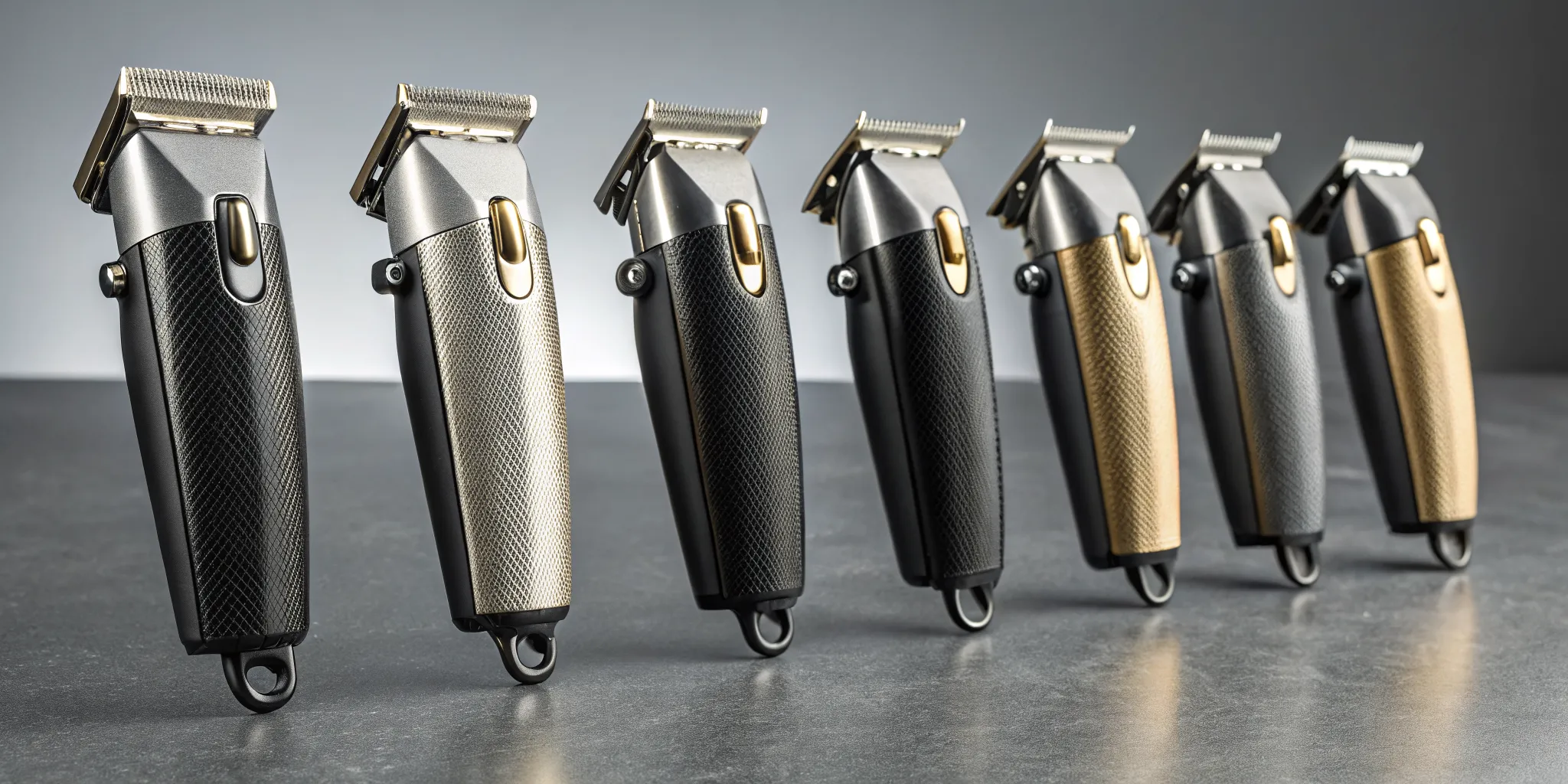
There’s no worse feeling than being in the zone, blending a fade, and having your clipper snag or leave a hard line you have to fight to erase. A subpar tool doesn’t just make your job harder; it can compromise the quality of your work and your client’s experience. Your clippers should be your most reliable partner, not a source of frustration. That’s why finding the best professional barber clippers for fades is so critical for any serious professional. This article is for every barber who has ever been let down by their equipment. We’ll explore the models that deliver consistent power, precision blending, and the durability to handle a packed schedule, so you can cut with confidence every single time.
Key Takeaways
- Choose a Clipper Designed for Blending: The best fades come from clippers with specific features, so look for a stagger-tooth or thin fade blade for diffusing lines, a powerful motor (over 6,000 RPM) to cut cleanly, and a firm taper lever for precise length changes.
- Master Your Technique for Seamless Results: Your clippers are only half the equation; your skill brings it all together. To get that perfect blur, slow down your process, use every guard in sequence to create a smooth gradient, and practice the C-shaped “flicking” motion to erase harsh lines.
- Daily Maintenance Is Non-Negotiable: Keep your clippers performing like new with simple daily habits. Regularly cleaning, oiling, and checking your blade alignment is the secret to preventing hair pulling and ensuring your tool is always ready for the next client.
What Makes a Clipper Perfect for Fades?
When you’re aiming for a truly seamless fade, the clipper you choose makes all the difference. It’s not just about having a sharp blade; it’s about a combination of specific features working together to help you blend hair effortlessly. The right tool can separate a good fade from a great one by giving you the precision, power, and control needed to execute your vision. From the blade design to the motor inside, every detail matters. Let’s break down the key components that make a clipper ideal for fading.
Stagger-Tooth vs. Fade Blades
The blade is where the magic happens, and for fades, you want one designed for blending. Look for clippers with flat, thin blades that can get extremely close to the scalp. Many of the best fade clippers feature a stagger-tooth blade, which has alternating short and long teeth. This design is fantastic for diffusing hard lines and creating a softer, more textured blend. It feeds the hair more evenly, so you avoid creating unintentional steps in your fade. A standard fade blade is also a great option, as its flat profile helps you achieve that skin-tight finish at the baseline.
Why Motor Speed (RPM) Matters
A clipper’s motor is its engine, and for fading, you need one with enough power to cut through any hair type without hesitation. A motor with a high speed, typically between 6,000 and 8,000 RPM (rotations per minute), ensures a clean and efficient cut. This speed prevents the blades from pulling or snagging on thick, coarse, or dense hair, which is essential for both the client’s comfort and the quality of your blend. A powerful motor gives you the confidence to push through hair smoothly, creating a flawless canvas for your fade work. Different clipper motor types like rotary or magnetic can deliver this power.
The Taper Lever and Consistent Blends
The taper lever is one of your most important tools for creating smooth transitions. It allows you to make micro-adjustments to the blade length as you work your way up the head. For fading, a clipper with a firm, reliable lever is non-negotiable. The best levers often have a “clicking” system that locks into set positions, so you can be sure your length setting won’t slip while you’re in the middle of a blend. This stability provides the consistency needed to repeat your steps accurately on both sides of the head, ensuring a symmetrical and even fade every time.
Weight, Ergonomics, and Grip
You hold your clippers all day long, so how they feel in your hand is incredibly important. A well-designed clipper should feel balanced and comfortable, not bulky or heavy. Good ergonomics reduce strain on your wrist and hand, which helps you maintain control and precision throughout long days in the shop. The grip is also key; you want a tool that feels secure in your hand, allowing you to maneuver it easily around the head and tackle intricate details. A clipper that is easy to hold and align properly becomes an extension of your hand, giving you the control needed for flawless work.
Our Top 7 Clippers for Flawless Fades
Choosing the right tool is the first step to mastering the art of the fade. While your skill and technique are crucial, the clipper you hold in your hand can make the difference between a good fade and a great one. A quality fade clipper should feel like an extension of your arm, allowing you to blend seamlessly and create sharp lines with confidence. The market is full of options, so it can be tough to figure out which ones are truly worth the investment.
We’ve sorted through the noise to bring you the clippers that consistently perform. This list focuses on what truly matters for creating those seamless blends: blade type, motor power, and ergonomic design. We looked for tools that can handle a full day of clients without overheating or losing power, and that feel comfortable enough to prevent fatigue. This list features our top seven picks, each with a unique strength that makes it a standout for fading. Whether you’re a seasoned pro looking for an upgrade or a beginner searching for a reliable first clipper, you’ll find a tool here that fits your needs and helps you produce your best work.
JRL FreshFade 2020C
If you’re looking for the best overall performer, the JRL FreshFade 2020C is a top contender. It’s celebrated for its precision and ease of use, making it a fantastic choice for achieving flawless fades. What really sets it apart is the advanced blade technology that stays cool, even during back-to-back appointments. Its lightweight design and powerful motor allow for smooth, effortless cuts without tiring out your wrist. This clipper gives you the control and comfort needed to execute clean lines and seamless blends all day long, solidifying its reputation as a go-to tool for serious barbers.
Wahl 5-Star Cordless Magic Clip
A favorite among barbers for a reason, the Wahl 5-Star Cordless Magic Clip is a master of the blend. It’s especially recommended for beginners because its unique stagger-tooth blade is so forgiving. This blade design excels at diffusing lines and creating soft, seamless transitions, taking much of the guesswork out of fading. It essentially erases hard lines as you work your way up. The cordless freedom, combined with its lightweight feel and reliable performance, makes it an essential tool for anyone who wants to perfect their blending technique. It’s the clipper that helps you build confidence with every cut.
Wahl 5-Star Vapor
When you need raw power for tough jobs, the Wahl 5-Star Vapor delivers. This clipper is known for its powerful performance and is particularly effective for skin fades and bulk removal. The adjustable blade allows for versatile cutting lengths, giving you the precision needed to get ultraclose to the skin and create sharp, clean lines. It’s a reliable choice for professional barbers who face a variety of hair types and textures throughout the day. The Vapor has the muscle to power through thick hair without snagging, ensuring a smooth and comfortable experience for your client every time.
BaBylissPRO FXOne
The BaBylissPRO FXOne is recognized as the best all-around professional clipper for its combination of style, power, and precision. Its high-speed motor provides exceptional cutting power, making it ideal for achieving crisp, precise fades. The ergonomic design feels balanced and comfortable in your hand, reducing fatigue during long days in the shop. What makes the FXOne system truly stand out is its interchangeable battery, allowing you to swap in a fresh one without missing a beat. It’s a high-performance tool built for barbers who demand efficiency and flawless results from their equipment.
Andis Master Cordless
The Andis Master Cordless is an icon in the barbering world, praised for its durability and reliability. Housed in an unbreakable aluminum body, this clipper is built to withstand the rigors of a busy barbershop. It’s the perfect tool for barbers who need a robust workhorse that can handle frequent use while delivering clean, sharp fades. The high-speed motor and extremely sharp carbon-steel blade can cut through any hair type with ease, from fine to coarse. If you’re looking for a clipper that feels substantial, performs consistently, and will last for years, the Master Cordless is an investment in quality.
Gamma+ X-Ergo
For barbers seeking top-tier performance without the premium price tag, the Gamma+ X-Ergo is an excellent professional option on a budget. It offers a lightweight, ergonomic design and a powerful magnetic motor, making it a great choice for achieving flawless fades. One of its standout features is its customizability; it comes with interchangeable body kits and different taper levers so you can modify it to fit your style. The X-Ergo proves that you don’t have to break the bank to get a high-quality, versatile clipper that can keep up with the demands of a professional environment.
Oster Fast Feed Adjustable Pivot Motor Clipper
The Oster Fast Feed is a classic for a reason. It’s known for its quiet operation and ease of use, making it especially suitable for cutting thicker hair. Unlike rotary motors, its pivot motor is quieter yet surprisingly powerful, allowing it to glide through dense hair without pulling. The adjustable blade allows for versatile styling, making it a solid choice for achieving clean fades and tapers. Many barbers appreciate its simple, no-fuss design and dependable performance. It’s a reliable clipper that has earned its place in barbershops by consistently delivering smooth, clean cuts.
How Do These Clippers Compare Head-to-Head?
Okay, we’ve laid out our top picks. But how do you decide which one is right for your station? It comes down to the details. When you’re comparing clippers, you’re not just looking at the brand name; you’re weighing the specific features that will make your job easier and your fades cleaner. Let’s break down the four key areas you should focus on: blade performance, motor power, battery life, and the price you can expect to pay for quality. This will help you see beyond the marketing and choose a tool that truly works for you.
Blade Quality and Cutting Performance
When you’re creating a flawless fade, the blade is doing all the heavy lifting. The best clippers for fading often feature a specialized fade blade designed for precision and smooth blending. Some models even have a “crunch” blade, which gives you audible feedback as you cut, letting you hear your way to a perfect blend. This level of control is essential for achieving those seamless transitions, especially on skin fades. Look for high-carbon steel or ceramic blades, as they stay sharp and cool, preventing irritation and ensuring every pass is clean and accurate. A quality blade makes all the difference between a good haircut and a great one.
Motor Power and Speed
A weak motor doesn’t just slow you down; it pulls hair, which is uncomfortable for your client and can ruin your blend. For fades, you need a clipper with enough power to glide through any hair type without snagging. Look for a motor that delivers between 6,000 and 8,000 RPM for fast, efficient cutting. Many modern clippers feature powerful brushless motors that not only provide consistent speed but also run quieter and have a longer lifespan. Some even offer dual-speed options, giving you the versatility to slow down for detailed work or power through thick, coarse hair.
Battery Life and Runtime
There’s nothing worse than your cordless clipper dying in the middle of a detailed fade. For a busy barber, reliable battery life is non-negotiable. The top cordless models today offer impressive runtimes, typically lasting between 80 and 120 minutes on a single charge, which should get you through several cuts. Beyond just runtime, consider the charging technology. Some clippers come with lithium-ion batteries that provide consistent power until the very end of the charge and maintain their strength over time. This ensures your clipper is always ready for your next client and protects the long-term health of your tool.
Price vs. Overall Value
Professional clippers come with a professional price tag, but it’s helpful to think of it as an investment in your craft. Prices can range from around $120 for a solid, budget-friendly model to over $220 for a top-tier machine. While it’s tempting to go for a cheaper option, investing in a quality clipper often means better performance, greater durability, and a longer lifespan. Higher-end models usually offer superior motors, sharper blades, and more ergonomic designs. Consider the balance between the initial cost and the long-term value. A reliable, high-performing tool from a trusted barber supply company will pay for itself in quality cuts and happy clients.
Cordless vs. Corded: Which Is Better for Fading?
The debate between cordless and corded clippers is a classic one in any barbershop. For a long time, corded clippers were the undisputed champions of power, while cordless models were seen as convenient but weaker. Today, that gap has closed significantly. Modern lithium-ion batteries and powerful rotary motors mean that many cordless clippers can go toe-to-toe with their corded counterparts. The choice now comes down to your personal workflow, cutting style, and what you prioritize in a tool.
Do you value complete freedom of movement, or is unwavering power for hours of back-to-back cuts your main concern? Many barbers find that the perfect setup isn’t about choosing one over the other, but about having both in their toolkit. A powerful corded clipper can handle the heavy-duty debulking, while a lightweight cordless model is perfect for the intricate detail work required for a flawless fade. Let’s break down the key differences to help you decide which is right for your station.
Freedom of Movement
The most obvious advantage of a cordless clipper is the complete freedom it gives you. Without a cord tethering you to the wall, you can move around your client effortlessly, attacking the fade from every angle without getting tangled. This is more than just a convenience; it directly impacts the quality of your work. Many barbers find that cordless clippers have completely changed their process because the cord no longer interferes with cutting angles and tapering. You can easily switch hands, flip the clipper for detailed work, and maintain a smooth, continuous motion, which is essential for creating seamless blends. This freedom also contributes to a cleaner, more organized workspace, reducing trip hazards and clutter around your chair.
Consistent Power Delivery
Historically, the biggest argument for corded clippers was their consistent power. Plugged directly into an outlet, they deliver a steady stream of energy that never fades or dies mid-cut. This reliability is a huge comfort, especially when you have a full day of clients and can’t afford any downtime. However, battery technology has come a long way. The best clippers for fades now use lithium-ion batteries that provide consistent power throughout the charge cycle. You won’t experience that frustrating slowdown as the battery drains. While a corded clipper will always run as long as it’s plugged in, a high-quality cordless model with a 90-minute-plus runtime is more than enough for several cuts before needing a charge.
When to Stick with a Corded Clipper
Even with all the advancements in cordless tech, there are still times when a corded clipper is the right tool for the job. For pure, raw power designed for heavy-duty debulking, nothing beats a high-performance corded model. Clippers like the classic Andis Master are legendary for their ability to mow through the thickest, coarsest hair without bogging down. This makes them an invaluable workhorse for starting a cut. Some barbers also prefer the durability of corded clippers, as they have fewer internal parts like batteries that can degrade over time. The trade-off can sometimes be weight and heat; powerful magnetic motors can get warm during prolonged use, but for sheer power, they remain unmatched.
What to Look for in a Fade Clipper
Choosing the right clipper is about more than just brand names; it’s about finding a tool that feels like an extension of your hand and delivers the results your clients expect. A great fade clipper needs to be precise, powerful, and reliable enough for a packed schedule. When you’re evaluating your options, think about the types of hair you cut most often, how the tool feels during long sessions, and whether it can handle more than just one type of cut. These factors will guide you toward a clipper that not only performs well but also makes your job easier.
Blending Performance on Different Hair Types
A flawless fade depends entirely on a seamless blend, and your clipper’s blade is the key to achieving it. To create that perfect gradient, you need blades specifically designed for tapering and precision. This ensures you can create an accurate cut without leaving harsh lines, whether you’re working on fine, straight hair or thick, curly textures. A high-quality fade blade allows you to get closer to the scalp and make micro-adjustments with the taper lever, which is essential for blurring the transition between different lengths. Look for clippers that promise smooth operation, as this will give you the control needed for detailed blending work.
How It Handles Thick and Textured Hair
Cutting through thick or coarse hair requires a clipper with a motor that won’t quit. A weak motor will snag and pull, leading to an uneven cut and an uncomfortable client. This is where motor power and blade design work together. For example, clippers with a quiet pivot motor and durable, wide-set blades can move through dense hair efficiently without overheating. When you’re dealing with challenging textures, you need a tool that provides consistent power and speed, allowing you to remove bulk quickly and move into the fading process without the clipper getting bogged down.
Durability for Daily Use
As a professional, you need a clipper that can withstand the demands of back-to-back appointments, day in and day out. Durability comes down to build quality. Clippers with a sturdy aluminum body, like the classic Andis Master, are built to last and can handle the occasional drop. A powerful motor that maintains its speed even under heavy load is just as important. Investing in a well-built clipper means you have a reliable workhorse that won’t overheat or lose power halfway through a cut. This focus on durability ensures your tool remains a dependable part of your kit for years, not just months.
Versatility for Other Cuts
While a specialized fade clipper is essential, a tool that can handle multiple jobs is a huge asset for any barber. A versatile clipper saves you from constantly switching between tools, streamlining your workflow. The most adaptable clippers are great for all-around cutting, including fades, tapers, bulk removal, and even some detailing. This flexibility is crucial for barbers who need a single, reliable tool to execute a variety of styles. Having one clipper that can take a client from a full head of hair down to a clean, finished style makes you more efficient and your station less cluttered.
How Much Should You Spend on Professional Clippers?
Deciding on a budget for your tools is a big step, whether you’re just starting out or upgrading your kit. Clipper prices can vary quite a bit, and it’s helpful to know what you’re getting for your money. Generally, a higher price tag gets you a more powerful motor, better blade quality, and more durable construction. Let’s break down the common price ranges so you can find the perfect clipper that fits your budget and your professional goals.
Budget-Friendly Picks ($120–$150)
If you’re new to the industry or just need a dependable backup, you don’t have to spend a fortune to get a quality tool. Clippers in this price range offer solid performance and are a fantastic way to get started without a huge upfront investment. For example, the Gamma+ X-Ergo is a popular choice for new barbers, typically costing between $120 and $150. These budget-friendly clippers are more than capable of handling daily cuts and will serve you well as you build your skills and client base. Think of it as a smart, reliable first step in your career.
Mid-Range and Premium Models ($150–$275)
When you’re ready to invest more in your primary tool, the mid-range to premium category offers a significant jump in features and durability. Models in this tier are built for barbers who need specialized performance day in and day out. The Wahl 5-Star Vapor (around $170–$200) is a master of skin fades, while the Andis Master Cordless ($180–$200) is a versatile workhorse for all hair types. For fading and working with textured hair, many pros love the JRL Onyx ($180–$220). These premium models give you the power and precision needed for more advanced techniques.
Does a Higher Price Tag Mean Better Quality?
In most cases, yes. When you pay more for a professional clipper, you’re investing in higher-quality components that directly impact performance and longevity. Top-tier models often feature advanced brushless motors, like those found in clippers from JRL, Wahl, and BaByliss. These motors deliver more consistent power, run cooler during long sessions, and last significantly longer than standard motors. You’re also paying for specialized blades designed for specific tasks, like the fade blade on the Wahl Vapor, which helps you achieve exceptionally smooth blends. A higher price often means a more reliable and capable tool for your craft.
Common Fading Mistakes to Avoid
A flawless fade is a work of art, but a few common slip-ups can turn a masterpiece into a mess. The good news is that these mistakes are easy to correct once you know what to look for. Whether you’re just starting or have been behind the chair for years, a quick refresher on technique can make all the difference. Let’s walk through the most frequent issues and how to keep them from compromising your work.
Creating Hard Lines by Rushing the Blend
When your schedule is packed, it’s tempting to speed through a cut. But rushing is the number one cause of hard lines in a fade. When you move too quickly, you risk creating harsh demarcation lines that are incredibly difficult to blend out later. Think of it this way: slowing down to be precise from the start will actually save you time in the long run. Every part of the process is there for a reason, and missing important steps will only force you to do more corrective work. Take a deep breath, trust your process, and give each section the attention it needs for a truly seamless result.
Skipping Guards and Losing the Transition
Creating a smooth gradient is all about gradual, deliberate steps. A major mistake that disrupts this flow is skipping guard sizes. Jumping from a #2 guard straight to a #1, for example, removes too much hair at once and creates a noticeable weight line instead of a soft transition. To get that blurry effect, you need to patiently scale down guide combs, using every guard in between (including your 0.5 and 1.5 guards). Each guard is designed to bridge the gap to the next, so using them in sequence is fundamental to building a fade that flows perfectly from one length to the next without any choppiness.
Forgetting Mid-Cut Clipper Maintenance
You can have the steadiest hand in the world, but your fade will only be as good as the tool you’re using. If you notice your clippers are snagging hair or not cutting as crisply as they should, don’t ignore it. This not only feels uncomfortable for your client but also makes clean blending nearly impossible. More often than not, the clipper blades are the issue, not the motor itself. Before you start your day, make sure your blades are clean, oiled, and properly aligned. Keeping a can of disinfectant and coolant spray handy during the cut can also help keep your clippers performing at their best from start to finish.
Techniques for a Cleaner Fade
Even the best clippers in the world won’t give you a perfect fade without solid technique. It’s the skill in your hands that transforms a good haircut into a great one. Mastering a few key methods will help you create those buttery-smooth blends your clients are looking for. Let’s get into three essential techniques that will make your fades cleaner and more consistent.
Start with the Right Guard Size
Think of your guards as the foundation of your fade. Choosing the right one from the start is the key to a smooth transition. Many barbers establish their initial bald or skin line first, then work their way up. By opening your clipper lever and using the next guard up, you can start creating your first guideline. From there, you’ll continue working up with larger guards, which helps you perfect your fades by creating a seamless gradient. This bottom-up approach prevents you from cutting the hair too short and gives you more control over the final blend.
Master the “Flicking” Motion for Seamless Blends
To erase the lines between your guard lengths, you need to master the flicking motion. Instead of moving the clipper straight up the head, you’ll use a C-shaped scoop, pulling the clipper up and away from the scalp at the end of the stroke. This subtle wrist movement softens the transition, blending the shorter hair into the longer hair above it. Rushing the process is one of the most common fade haircut mistakes, so take your time with each section. A patient, deliberate flicking motion is what separates a choppy fade from a truly seamless one.
Use Clipper-Over-Comb for Precision
Clipper-over-comb is a freehand technique that gives you incredible precision, especially when you’re refining a blend. Instead of a plastic guard, your comb sets the cutting length. This method is perfect for softening any remaining weight lines, blending into longer hair on top, or navigating tricky areas around the ears and occipital bone. It allows for greater control than a guard can offer, letting you tailor the cut to the client’s head shape. Using a quality barber comb, you can achieve a tailored look by scooping up the hair and running the clipper blade flat against the comb’s surface.
Keep Your Clippers Running Like New
Investing in a great pair of clippers is just the first step. To keep them performing at their best, you need to give them a little TLC. Consistent maintenance isn’t just about longevity; it’s about ensuring every fade is as sharp and clean as the last. A well-cared-for tool is reliable, and in a busy barbershop, reliability is everything. Luckily, it only takes a few minutes each day to keep your clippers in top shape and prevent the most common performance problems.
Clean and Oil Your Blades Regularly
This is the golden rule of clipper care. After a long day of cuts, it’s easy to just put your tools away, but skipping this step can lead to dull blades, rust, and hair pulling. When your clippers stop cutting smoothly, the problem is almost always the blades, not the motor. Many common clipper issues stem directly from a lack of cleaning. Get into the habit of brushing away loose hair after every client. At the end of the day, use a blade disinfectant spray and apply a few drops of clipper oil while they’re running. This simple routine prevents friction and keeps your blades sharp.
Check Blade Alignment and Tension
Have you ever had a clipper that just seemed to pull hair no matter what? The blade alignment or tension was likely the issue. For a fade to be truly seamless, your blades need to be perfectly parallel and have the right amount of tension. Misaligned blades can cause uneven cutting and snagging, which is uncomfortable for your client and frustrating for you. Take a moment each week to visually inspect your blades. The top blade’s teeth should sit just behind the bottom blade’s teeth. If they look off, consult your clipper’s manual to learn how to make adjustments. Proper blade alignment is crucial for achieving a clean, professional cut every time.
Know When to Replace Your Blades
Even with perfect maintenance, blades don’t last forever. Over time, they will naturally lose their sharp edge. Using dull blades is a recipe for a frustrating experience, as they can snag hair and make it nearly impossible to blend smoothly. One of the biggest signs that it’s time for a replacement is when your clippers start to create hard lines in the fade that are difficult to blend out. If you notice your clippers aren’t cutting as effectively as they used to, even after cleaning and oiling, it’s time for a new set of blades. For a busy barber, this might be every few months, but it’s a small investment to maintain the quality of your work.
Frequently Asked Questions
I’m new to barbering. What’s the single most important feature I should look for in a fade clipper? If you’re just starting, I’d recommend focusing on the blade. Look for a clipper with a stagger-tooth blade, like the Wahl Cordless Magic Clip. This type of blade is incredibly forgiving because its alternating long and short teeth help diffuse lines as you cut. It makes blending much more intuitive and can help you build confidence by preventing the hard lines that are often tricky to remove when you’re learning.
My clippers are snagging hair. Do I need to buy a new pair? Not necessarily. Before you invest in a new tool, try a few maintenance steps first, as this is a very common issue. The problem is almost always related to the blades, not the clipper itself. Start by thoroughly cleaning any hair from between the blades and applying a few drops of clipper oil. If that doesn’t work, check your blade alignment to make sure the top and bottom blades are parallel. If your clippers still pull hair after cleaning and alignment, it’s a strong sign your blades have become dull and need to be replaced.
What’s the real difference between a fade blade and a stagger-tooth blade? Think of a “fade blade” as a general category. It refers to any blade that is flat and thin, designed to cut very close to the scalp for creating skin-tight fades. A “stagger-tooth blade” is a specific type of fade blade. It has a unique design with alternating short and long teeth that excel at breaking up lines and creating a softer, more textured blend. While a standard flat fade blade is great for precision, a stagger-tooth blade is especially helpful for achieving a seamless, diffused look.
Do I actually need both a corded and a cordless clipper to do good fades? You can absolutely create excellent fades with just one high-quality clipper, so don’t feel pressured to own both right away. The choice comes down to workflow. Many barbers prefer a powerful corded clipper for heavy-duty bulk removal at the start of a cut and then switch to a lightweight cordless model for the freedom and maneuverability needed for detailed fade work. If you can only choose one, a versatile cordless clipper with a long-lasting battery is a fantastic starting point.
How can I tell when it’s time to replace my blades instead of just cleaning them? You’ll notice a clear drop in performance that cleaning and oiling can’t fix. Your clippers might start leaving hard lines that are difficult to blend out, or you may find yourself having to go over the same spot multiple times to get a clean cut. If the blades feel like they are pulling or snagging the hair instead of slicing through it cleanly, that’s the most definite sign. A fresh set of blades will make your clipper feel brand new and restore the sharp, precise performance needed for flawless work.